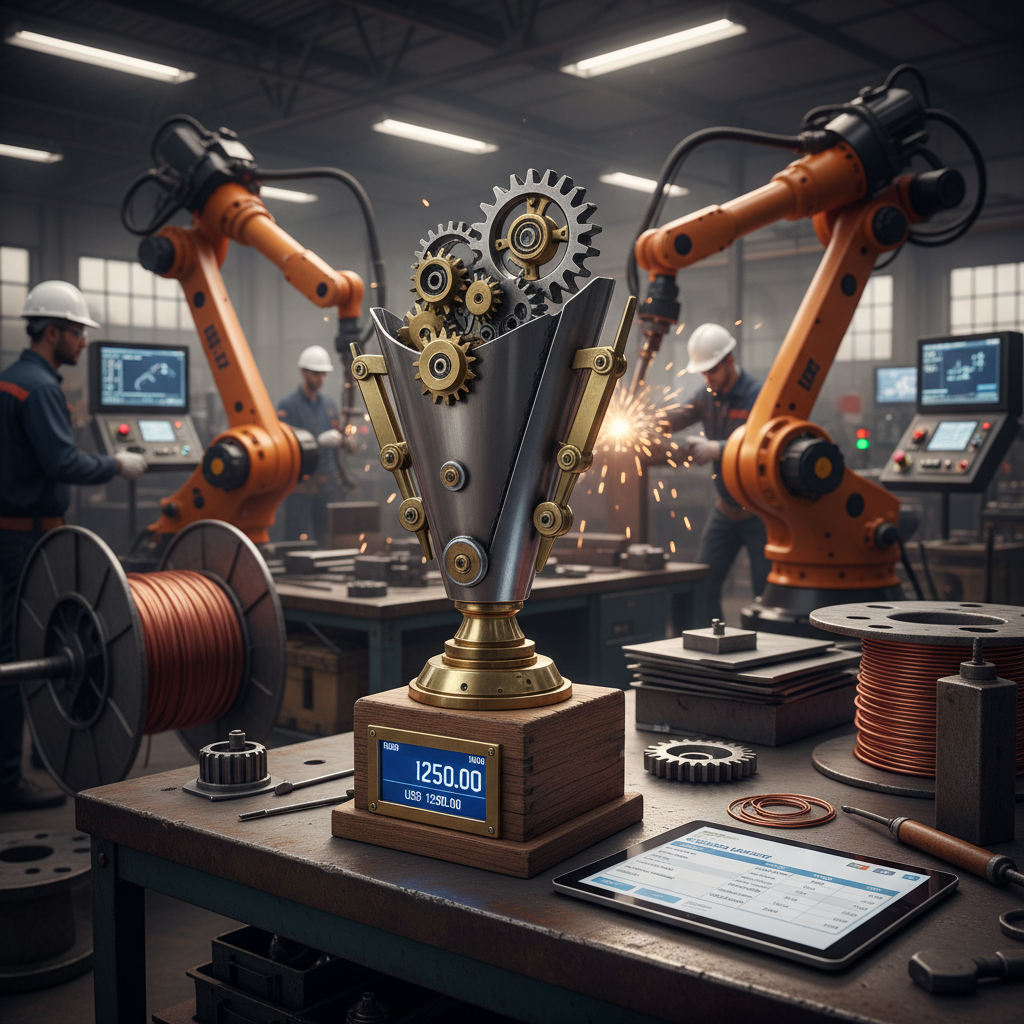
A custom souvenir serves as more than just a physical reminder of a location or event; it is a powerful tool for emotional connection and brand storytelling. In the B2B sector, these personalized items are leveraged to strengthen client relationships, commemorate corporate milestones, and enhance employee engagement. This article explores how to move beyond generic merchandise to create high-value keepsakes that resonate with recipients.
For businesses, the challenge lies in balancing aesthetic appeal with practical utility while maintaining brand consistency. Whether it is a high-end executive gift or a bulk promotional item for a trade show, the quality of materials and the precision of customization directly reflect the professionalism of the gifting organization. Understanding the intersection of psychological value and physical craftsmanship is essential for any procurement strategy.
Readers will discover the technical criteria for selecting premium materials, the logic behind effective branding integration, and a comprehensive framework for evaluating suppliers. By the end of this guide, project managers and marketing directors will have a clear roadmap for executing a personalized gifting campaign that delivers measurable impact and long-term brand recall.
The Strategic Value of Bespoke Mementos
In the contemporary commercial landscape, the concept of a custom souvenir has evolved from simple tourism trinkets to sophisticated corporate assets. The primary psychological driver is "tangible reciprocity"—when a client receives a thoughtful, high-quality personalized item, it creates a subconscious desire to maintain a positive professional relationship. This is particularly effective in industries where trust and long-term partnerships are the primary currency.
From a manufacturing perspective, the shift toward personalization is driven by advanced CNC machining, 3D printing, and precision laser engraving. These technologies allow enterprises like The Genius Gifts to offer a wide range of options, from tailored electronics to specialized clothing and promotional bags. The goal is to transition from "commodity gifting" to "value-added gifting," where the item's utility ensures it remains on the user's desk or in their daily routine, thereby providing continuous brand exposure.
Guide to Designing High-Impact Promotional Keepsakes
Creating a successful personalized gift requires a multidisciplinary approach that combines design thinking, material science, and supply chain logistics. To avoid the common pitfall of creating "disposable" items, designers must prioritize durability and relevance. The following seven dimensions provide a comprehensive framework for developing a product that provides lasting value to the recipient while serving the commercial objectives of the sender.
Material Selection Criteria
The choice of material dictates the perceived value and the actual lifespan of the product. High-quality fabrics, zinc alloys, and sustainable polymers are preferred for B2B applications. For instance, a tactical belt utilizing high-quality nylon with a zinc alloy quick-release buckle offers a combination of breathability and durability that far exceeds standard promotional belts, making it suitable for professional outdoor or tactical missions.
| Material Type | Perceived Value | Durability Factor | Best Use Case |
|---|---|---|---|
| Zinc Alloy | High | Exceptional | Buckles, Trophies, Jewelry |
| Premium Nylon | Medium-High | High | Tactical Gear, Bags, Apparel |
| Sustainable Plush | Medium | Moderate | Mascots, Comfort Gifts |
| Hard-shell Plastic | Medium | Moderate | Electronics, Stationery |
| Organic Cotton | Medium | Moderate | Eco-friendly Apparel |
| Polished Acrylic | High | High | Awards, Office Decor |
Branding and Logo Integration
Over-branding is a common mistake that leads to items being discarded. The most successful personalized gifts employ "subtle branding"—placing logos in positions that are visible but not intrusive. Techniques such as debossing, tone-on-tone embroidery, or laser etching provide a sophisticated look that encourages the user to incorporate the item into their daily life without feeling like a walking advertisement.
Target Audience Alignment
A gift for a C-level executive differs fundamentally from a gift for a new hire. The former requires exclusivity and high-end materials, whereas the latter focuses on culture-building and utility. Analyzing the recipient's lifestyle—whether they are outdoor enthusiasts who would appreciate tactical gear or office professionals who need premium stationery—is the first step in ensuring the gift is actually used.
Functional vs. Decorative Balance
While a purely decorative item may be visually stunning, functional items have a longer "retention rate." The ideal personalized product blends these two elements. A customized trophy serves a decorative purpose, but a customized tactical belt or a branded electronics accessory provides daily utility. The key is to ensure that the functional aspect does not compromise the aesthetic quality of the gift.
Quality Control Benchmarks
Consistency is critical in bulk orders. Every unit must meet the same rigorous standards to avoid brand dilution. Key benchmarks include color accuracy (Pantone matching), seam strength in textiles, and the precision of the quick-release mechanisms in hardware. A flawless finish is the only way to ensure the product acts as a positive testimony of the company's attention to detail.
Sustainable Production Trends
Modern procurement is increasingly driven by ESG (Environmental, Social, and Governance) criteria. Switching to recycled nylon, organic fibers, or biodegradable packaging not only reduces the environmental footprint but also enhances the brand image. Recipients are more likely to value a gift that aligns with their personal values regarding sustainability and ethical manufacturing.
Procurement and Lead-Time Management
Timely delivery is as important as product quality, especially for event-based gifting. Efficient production processes, such as those employed by The Genius Gifts, ensure that urgent needs are met without sacrificing customization precision. Buyers should evaluate a supplier's ability to handle bulk logistics and their experience with international shipping to avoid last-minute failures.
FAQ
What makes a personalized gift a "high-value" item in B2B?
A high-value item is defined by its utility, durability, and emotional resonance. Rather than focusing on the monetary cost, value is derived from how well the item fits the recipient's needs and the quality of its craftsmanship. For example, a durable tactical belt with a metal quick-release buckle is more valuable than a cheap plastic gadget because it serves a practical purpose over a long period.
How do I choose between different customization methods?
The method depends on the material and the desired aesthetic. Laser engraving is ideal for metals and hard plastics for a permanent, precise finish. Embroidery is best for clothing and bags for a premium, textured feel. Screen printing is suitable for large-scale, multi-color logos on fabrics. Consulting with a manufacturer helps in matching the technique to the specific product material for the best result.
What are the risks of bulk ordering personalized items?
The primary risks include logo misalignment, color variance across batches, and delivery delays. To mitigate these, always request a pre-production sample for approval. Ensure the supplier provides a clear quality control checklist and has a proven track record of meeting deadlines for bulk shipments, especially when dealing with international logistics.
Can sustainable materials impact the durability of promotional gifts?
Not necessarily. Advances in material science have allowed recycled nylon and organic cotton to match or even exceed the performance of traditional synthetic materials. The key is to verify the specifications—such as tensile strength and abrasion resistance—provided by the manufacturer to ensure the eco-friendly alternative meets the product's functional requirements.
How should I determine the right quantity for a corporate gifting campaign?
Analyze your recipient tiers. High-tier clients may receive a limited edition, premium item, while general partners receive a standard but high-quality version. Always include a 5-10% buffer in your order to account for new client acquisitions or replacement of damaged goods during shipping, ensuring you don't run out of stock during a critical event.
What is the typical timeline for a customized bulk order?
Timelines vary based on product complexity. Simple engraving on existing stock can take a few days, while fully bespoke designs involving custom molds and material sourcing can take several weeks. It is recommended to start the process at least 4-8 weeks before the event to allow for sampling, production, and shipping logistics.
References and further reading
- Wikipedia: History and Cultural Significance of the Souvenir - https://en.wikipedia.org/wiki/Souvenir
- Industrial Design Standards for B2B Promotional Merchandise.
- Materials Science Guide: Nylon vs. Polyester in Tactical Applications.
Related Articles