Armed Belts – Load-Bearing, MOLLE Compatible, Quick-Release
Armed Belts: What Pros Are Actually Wearing Now
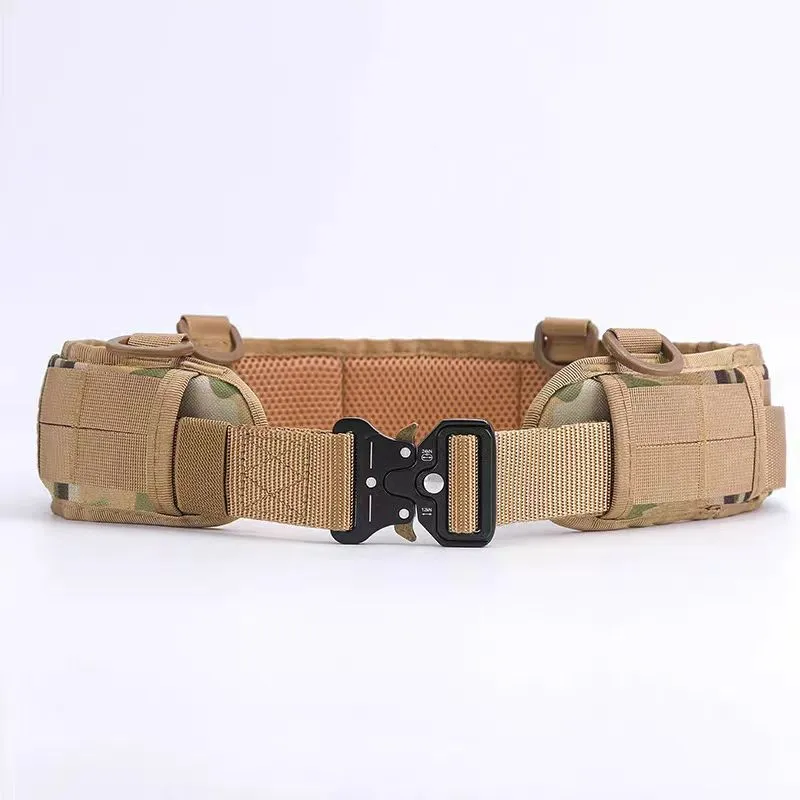
If you’ve ever wondered why some belts hold up to abuse while others sag by lunchtime, you’re not alone. I’ve spent the better part of a decade poking around factories and field kits, and—no surprise—quality hinges on materials, stitching, and how the buckle behaves under load. Meet Armed Belts: a tactical line built for Secret Service-style missions and rescue work, yet surprisingly practical for everyday carry.
Why these belts matter now
Two big trends: operators want quick-release hardware that won’t slip, and brands are moving toward higher-spec nylon (think MIL-grade webbing) with clean bar-tack patterns. To be honest, the gap between pro and consumer gear is shrinking—fast. Many customers say the quick-release feels “confidence-inspiring” but not fussy, which is the sweet spot.
Technical snapshot
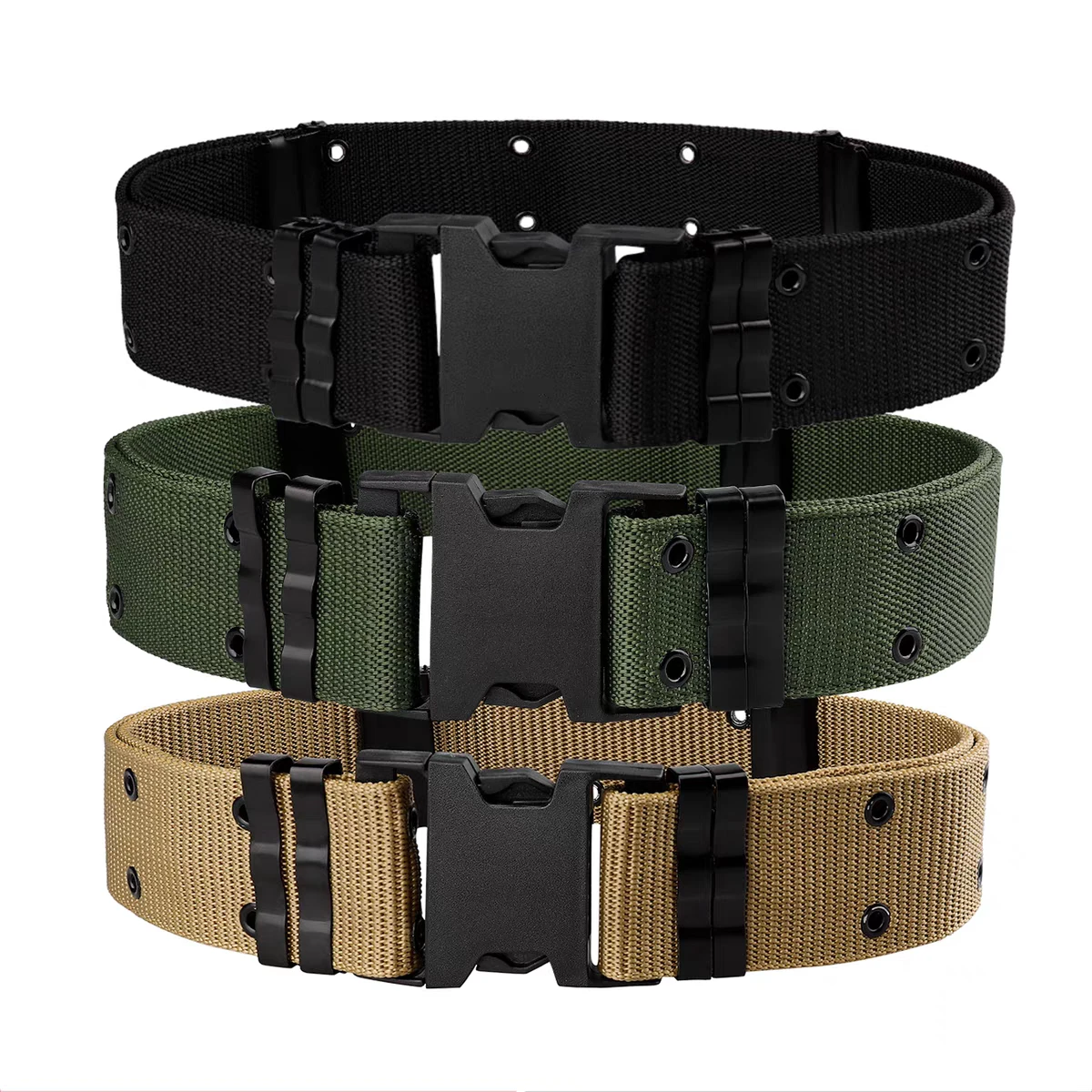
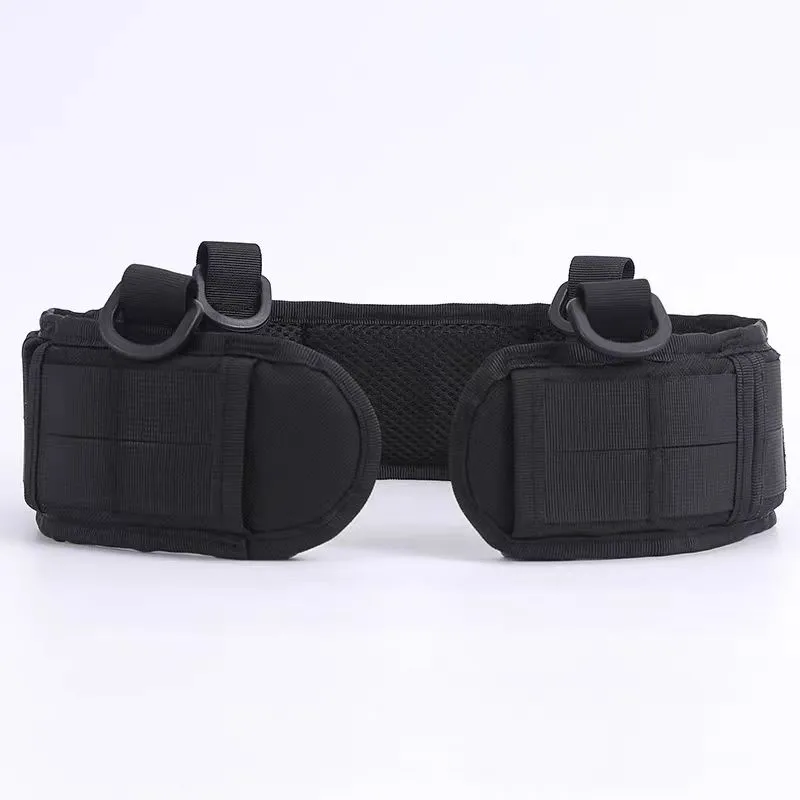
Under the hood, you’re looking at dense nylon webbing (often referencing MIL-W-4088-style constructions) paired with an alloy quick-release buckle similar to those certified under EN 362 or ANSI/ASSP Z359.12. Real-world loads vary, but the architecture is built for holsters, radios, medical pouches, and—yes—daily jeans.
| Parameter | Spec (≈, real-world may vary) |
|---|---|
| Webbing | Nylon 6,6; MIL-style Type 13 density; tensile ≈ 6,000–7,000 lbf |
| Buckle | Alloy quick-release; static strength up to ≈ 18 kN (typical class) |
| Width | 1.5"–1.75" options |
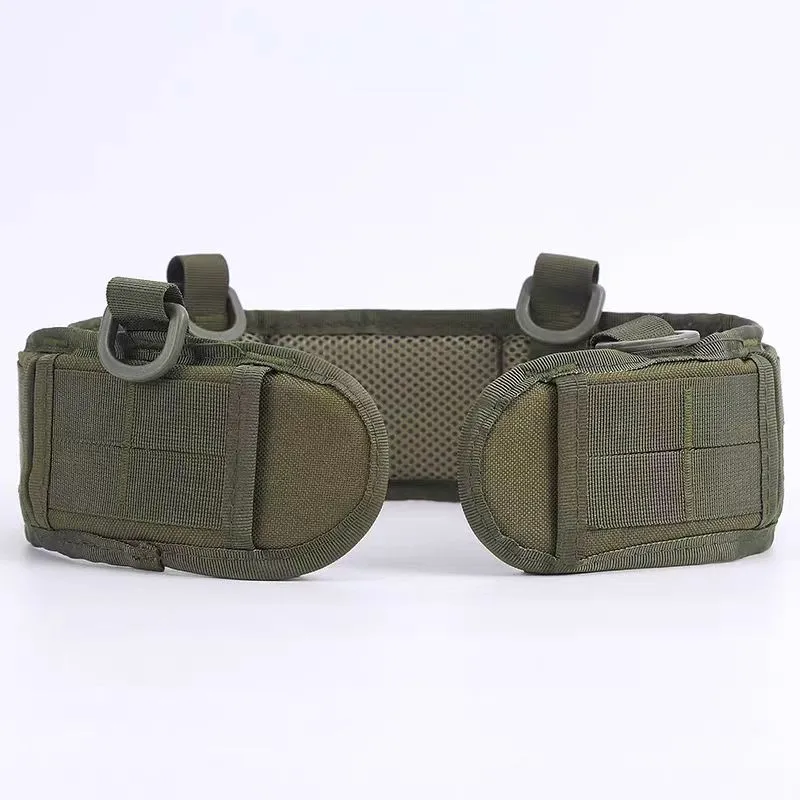
| Finish/Color | Matte hardware; Black/Coyote/Ranger Green; custom Pantone on request |
| Operating Temp | ≈ −20°C to 60°C |
| Load-Out | Holsters, MOLLE pouches, radios up to around 7 kg distributed |
Process, testing, and service life
Armed Belts are woven from high-tenacity nylon yarns, solution-dyed for colorfastness. The flow: yarn selection → shuttle or needle loom weaving → heat setting → dye/finish → precision cutting → bar-tack reinforcement (12–16 stitches/inch) → buckle assembly → proof-load and QC.
- Abrasion: ASTM D3884 Taber, ≈ 12,000 cycles no yarn break
- Corrosion: buckle salt-spray ASTM B117, 48–72 h no red rust
- Connector strength checks referencing ANSI/ASSP Z359.12 and EN 362 guidelines
Typical service life: 3–5 years for duty use; longer for EDC if kept clean and away from solvents. Retire immediately if you see cut fibers, buckle deformation, or contamination.
Where they’re used (and why)
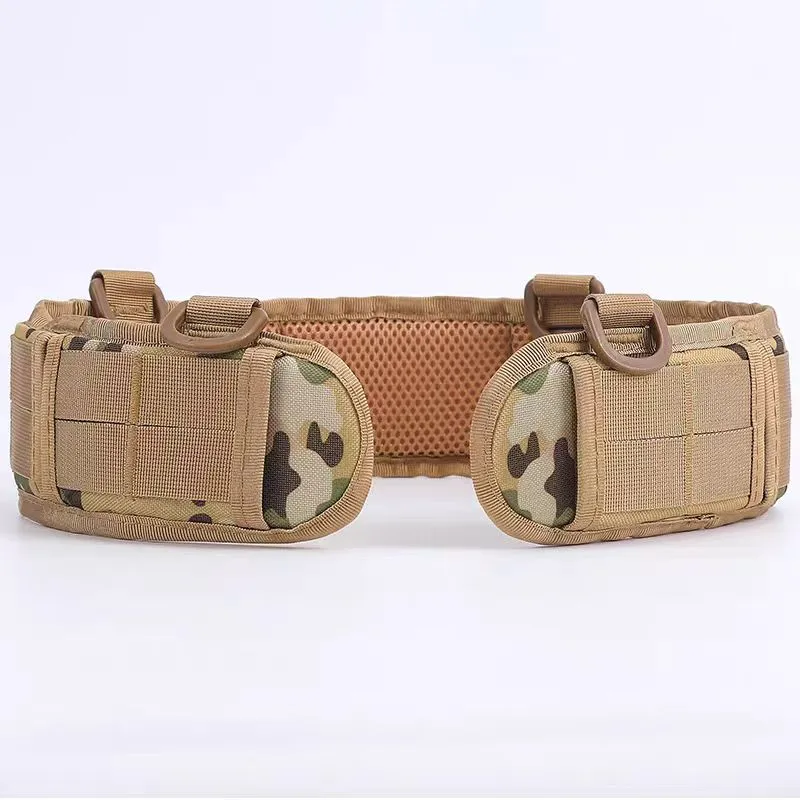
Law enforcement, SAR/EMS, private security, industrial maintenance, outdoor instructors, even film props. Actually, commuters love the quick-release for airport trays—snap off, snap on. Advantages include high stiffness-to-weight, stable buckle geometry, and dependable bar-tacks that don’t creep under load.
Vendors at a glance
| Vendor | Customization | Lead Time | Certs/Testing | Notes |
|---|---|---|---|---|
| Genius Gifts Tactical (Wuhan, China) | Logos, colors, webbing density, buckle branding; can co-develop matching specialty gloves | ≈ 15–30 days | ISO 9001 factory; ASTM, ANSI/EN references; internal lab reports available | Origin: 3F, Bldg 6, 67 Chuangye Rd, Wuhan |
| Generic A | Basic color/logo | ≈ 35–45 days | Limited test data | Entry price, fewer options |
| Generic B | Moderate custom; MOQ higher | ≈ 25–40 days | CE on hardware; basic abrasion tests | Stable quality, mid-tier price |
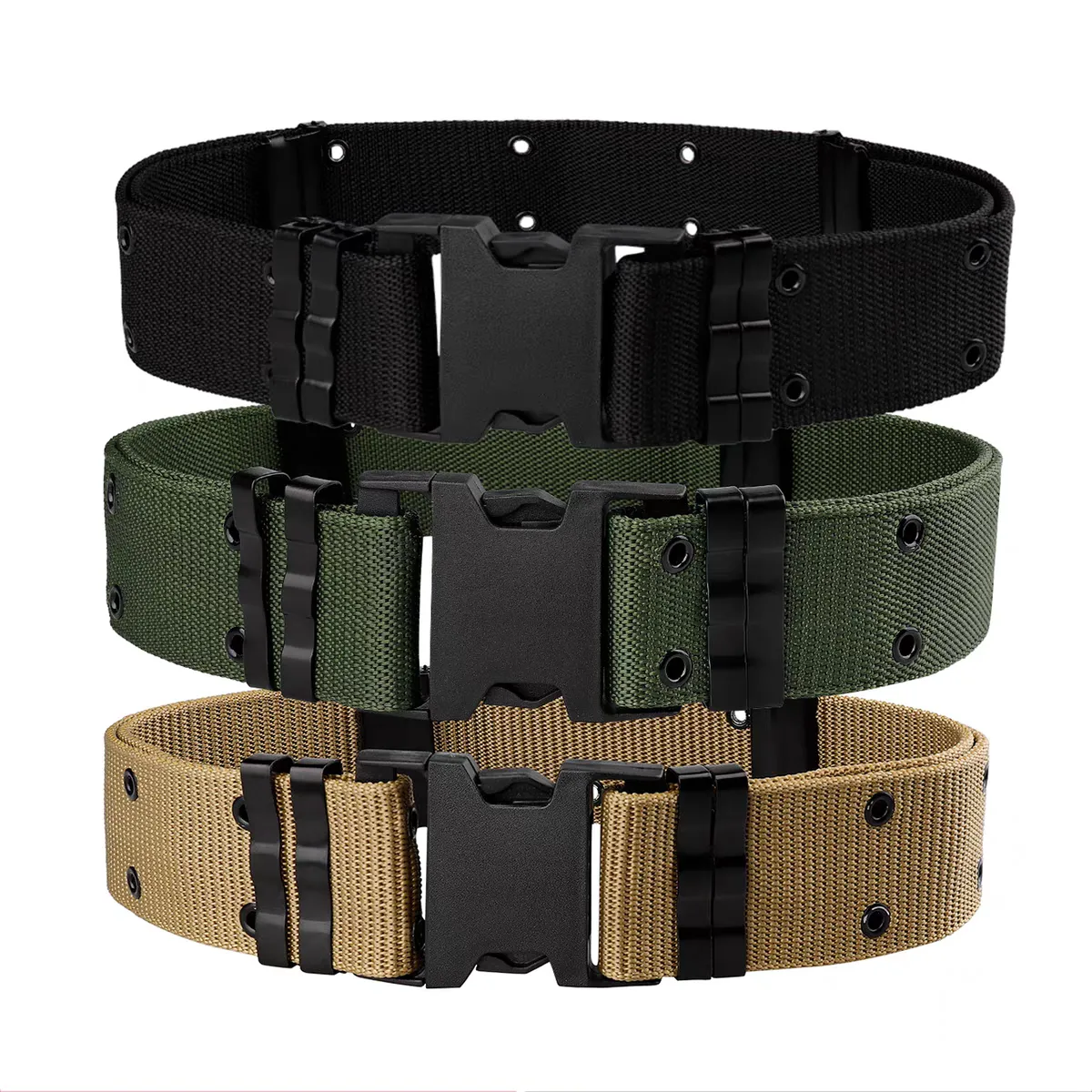
Customization and real-world feedback
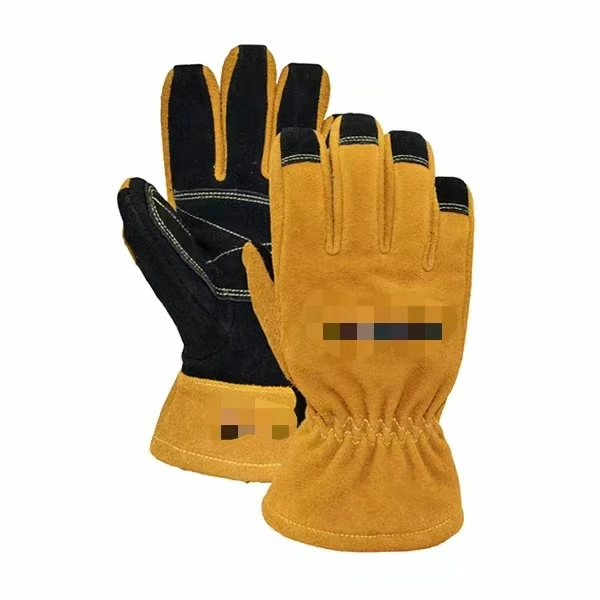
One founder runs a specialty apparel factory, so branding’s not an afterthought. You can spec exclusive IP/logos on belts—and matching protective gloves to kit your team consistently. It seems that agencies appreciate unified gear for identification and morale.
Customer notes: “buckle doesn’t creep on the range,” “surprisingly comfy on 12-hour patrol,” and “no hot spots under a full holster.” Fair points.
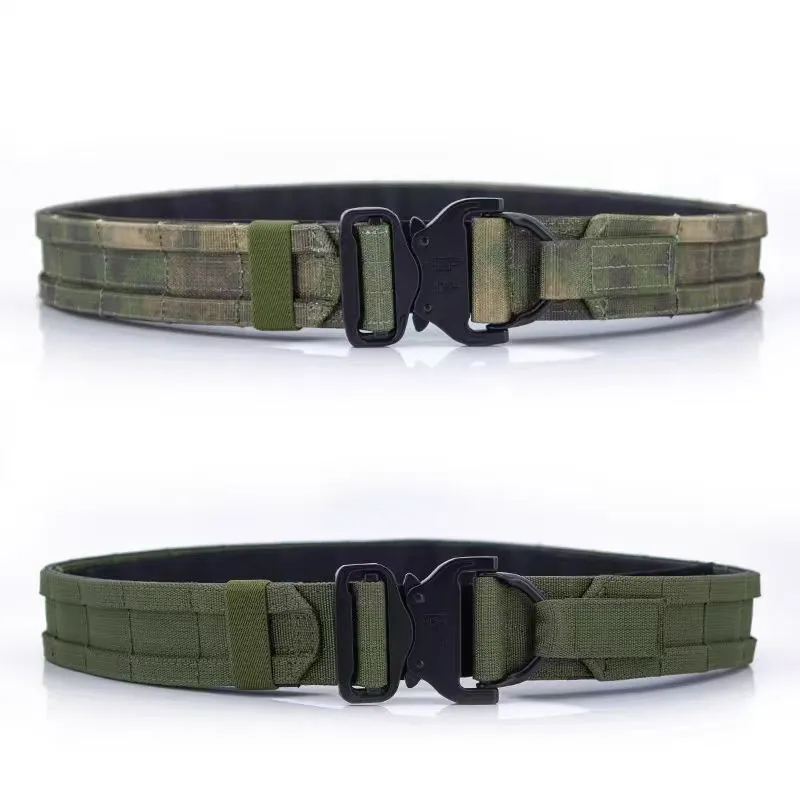
Mini case studies
- Municipal rescue unit: switched to Armed Belts with stiffer webbing; reduced gear shift during rappels; 0 buckle slips in quarterly inspections.
- Courier fleet: adopted quick-release for EDC; faster don/doff at depots, fewer frayed edges after 6 months per internal QA logs.
Certifications and documentation
Factory quality systems align with ISO 9001. Hardware and webbing are tested referencing ASTM B117, ASTM D3884; buckle strength checks against ANSI/ASSP Z359.12 and EN 362 requirements. Ask for the latest test reports before procurement—standards evolve.
Citations
- ASTM B117 – Salt Spray (Fog) Testing, ASTM International.
- ANSI/ASSP Z359.12 – Connecting Components, American Society of Safety Professionals.
- EN 362:2004 – PPE against falls from a height, Connectors, European standards.
- MIL-W-4088K – Woven Nylon Webbing, U.S. DoD (EverySpec).
- ISO 9001:2015 – Quality Management Systems, International Organization for Standardization.
- ASTM D3884 – Abrasion Resistance (Taber), ASTM International.