Custom Badges: High-Quality, Durable & Versatile
Introduction to Advanced Identification and Recognition Solutions
In the demanding B2B landscape, precision-engineered identification and recognition tools are critical for operational efficiency, safety compliance, and robust brand representation. Among these, Badges stand out as versatile, durable assets. They serve not merely as decorative items but as integral components for employee identification, brand reinforcement, event access control, and recognition programs across diverse industrial and corporate sectors. The strategic deployment of high-quality, customized Badges reflects an organization's commitment to professionalism, security, and meticulous attention to detail. This article delves into the technical aspects, manufacturing processes, application versatility, and strategic advantages of modern Badges, providing insights for B2B decision-makers seeking optimal solutions.
Industry Trends in Customized Badge Manufacturing
The industry for customized Badges is undergoing significant evolution, driven by advancements in material science, digital manufacturing techniques, and a heightened demand for bespoke branding solutions. Key trends include:
- Sustainable Materials: Growing preference for eco-friendly alloys, recycled metals, and biodegradable plastics to align with corporate social responsibility initiatives.
- Advanced Manufacturing: Increased adoption of CNC machining, laser etching, and 3D printing for mold creation, enabling intricate designs, tighter tolerances, and faster prototyping for unique Badges.
- Smart Integration: Emerging demand for Badges with integrated RFID, NFC, or QR codes for enhanced access control, data tracking, and interactive experiences, particularly in large-scale events or secure facilities.
- Enhanced Durability & Aesthetics: Development of superior plating techniques, anti-corrosion coatings, and high-definition enamel processes to ensure longevity and visual appeal in challenging industrial environments.
- Personalization at Scale: Mass customization capabilities allow for individual employee names, serial numbers, or department-specific designs on large orders, without compromising efficiency.
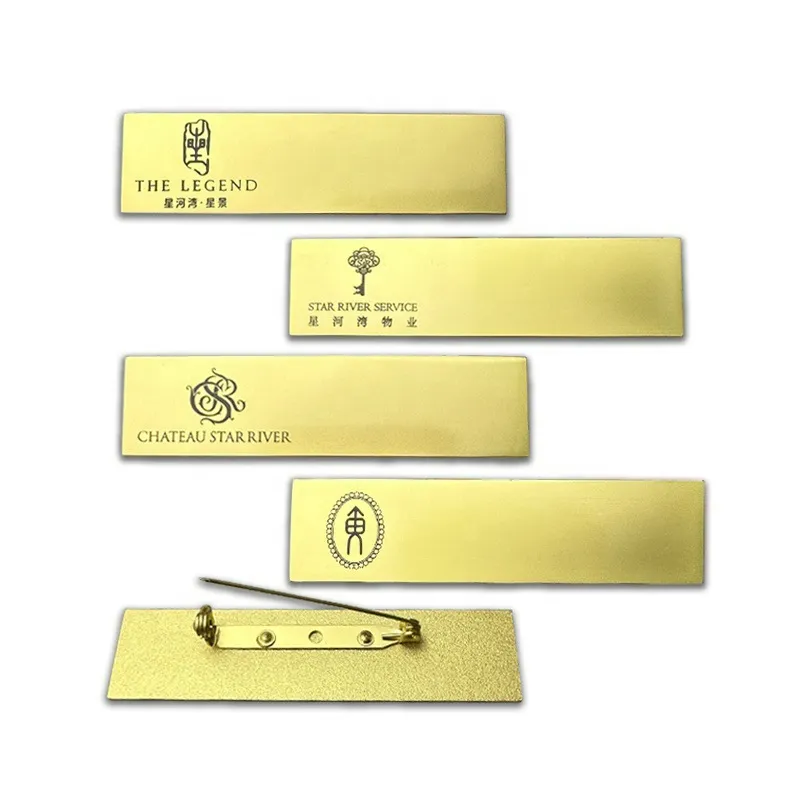
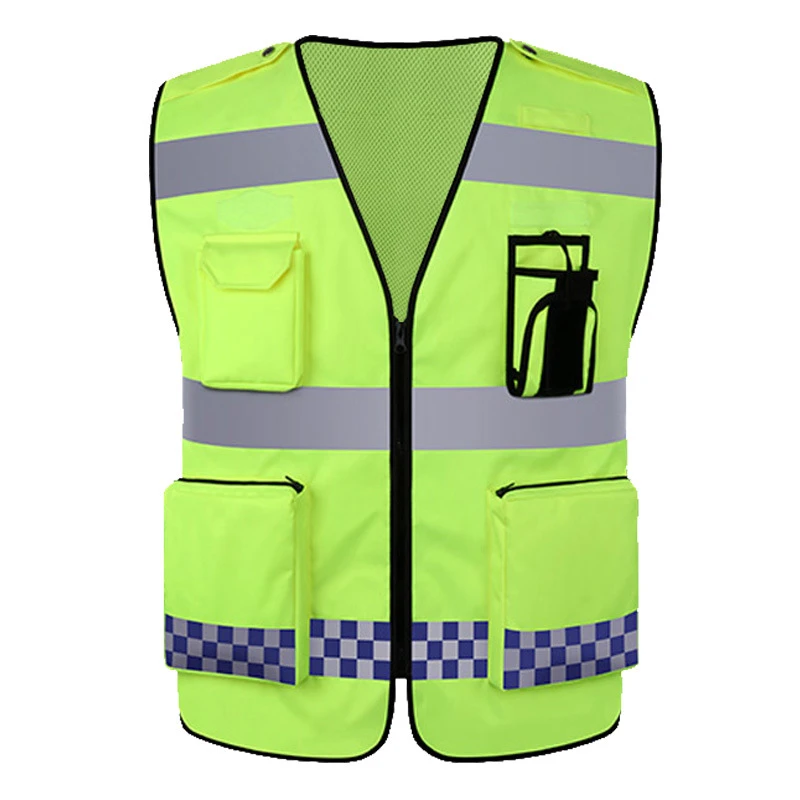
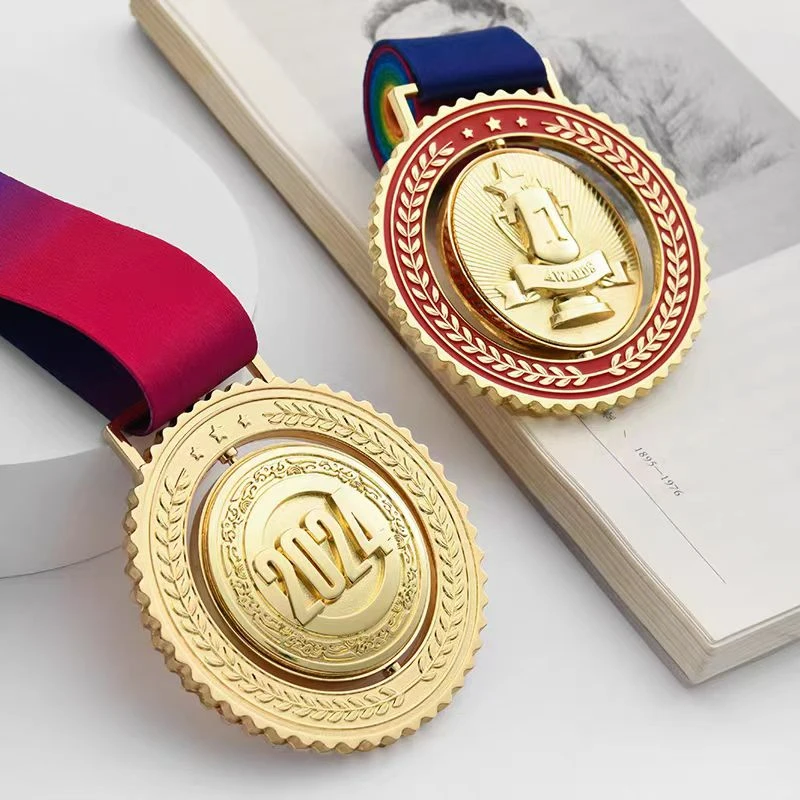
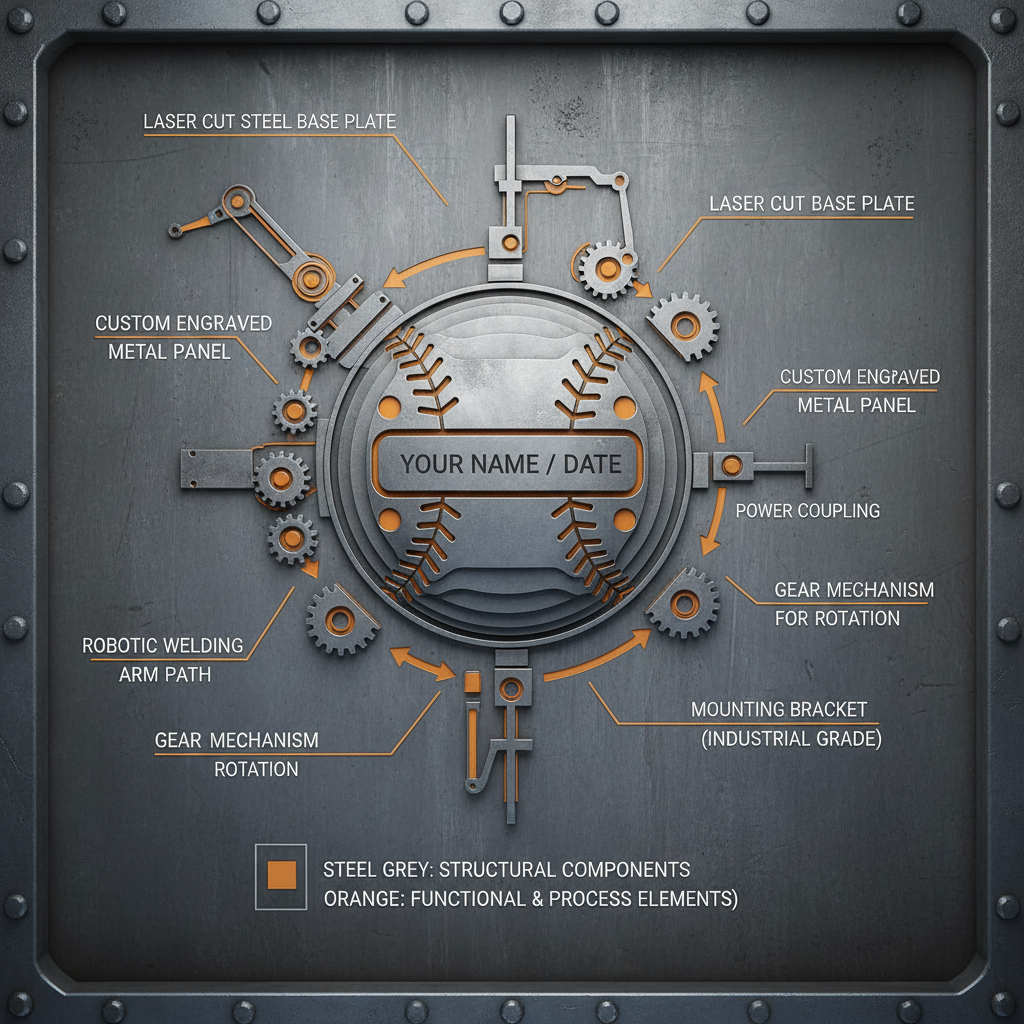
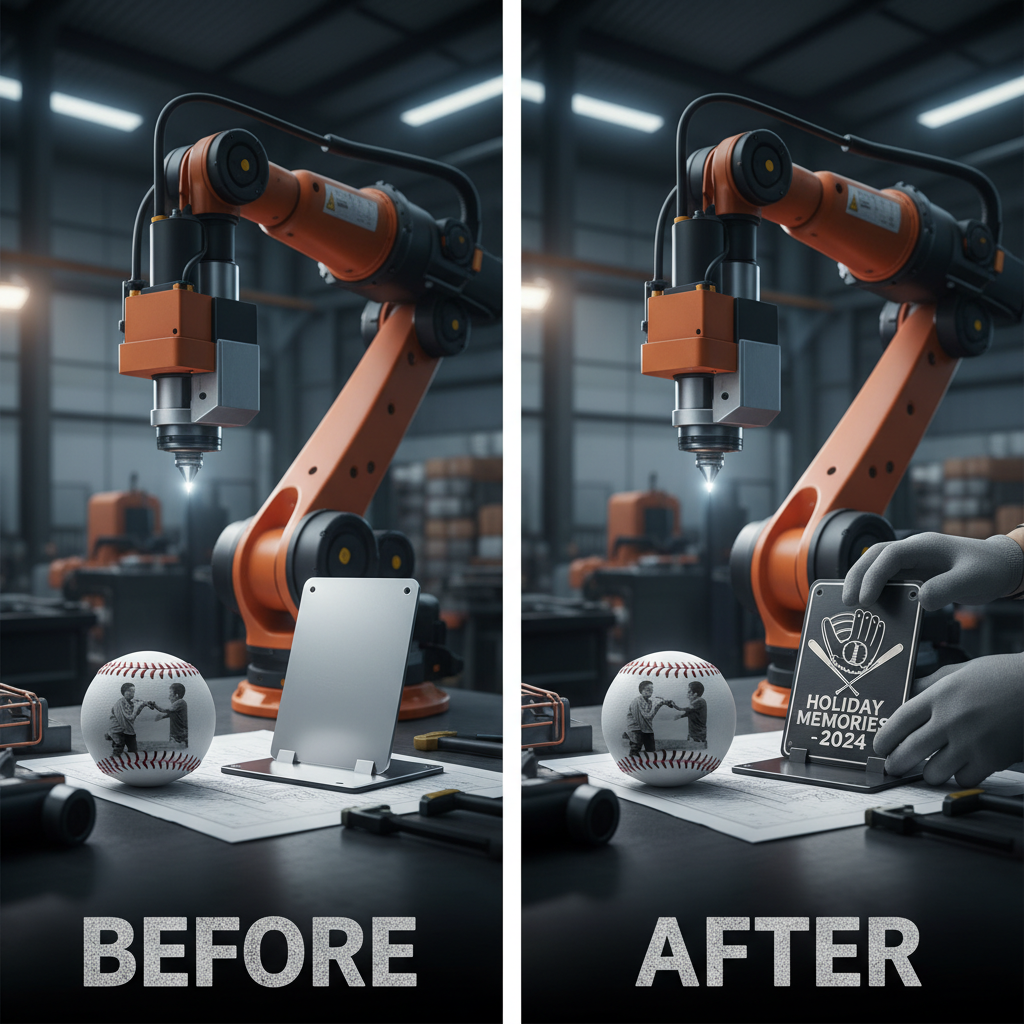
Figure 1: Illustration of diverse custom Badges showcasing intricate design capabilities.
Technical Specifications and Material Parameters
The performance and longevity of Badges are directly dependent on the selection of appropriate materials and precise adherence to technical specifications. A deep understanding of these parameters is crucial for ensuring the product meets specific application requirements, from aesthetic appeal to environmental resistance.
Common Materials for Badges
- Brass (CuZn37/CuZn40): Excellent workability, high corrosion resistance, and polished finish potential. Ideal for high-end, intricate designs.
- Zinc Alloy (Zamak 3/5): Cost-effective, good casting properties, allowing for complex 3D designs and durability.
- Stainless Steel (304/316L): Superior corrosion resistance, high tensile strength, suitable for harsh environments and industrial applications.
- Aluminum (6061/7075): Lightweight, good strength-to-weight ratio, excellent for anodizing and color customization.
- Soft Enamel: Colors filled into recessed areas, creating a textured surface. Durable and vibrant.
- Hard Enamel (Cloisonné): Polished flat with the metal lines, offering exceptional durability, scratch resistance, and a premium finish.
- PVC/Rubber: Flexible, lightweight, waterproof, and available in various textures, ideal for outdoor or casual applications.
Typical Material Specifications
| Property | Brass (e.g., CuZn37) | Zinc Alloy (e.g., Zamak 3) | Stainless Steel (e.g., 304) | Aluminum (e.g., 6061) |
|---|---|---|---|---|
| Density (g/cm³) | 8.4 - 8.7 | 6.6 - 6.7 | 7.9 - 8.0 | 2.7 |
| Tensile Strength (MPa) | 350 - 450 | 250 - 350 | 515 - 620 | 240 - 310 |
| Yield Strength (MPa) | 120 - 200 | 100 - 180 | 205 - 240 | 100 - 150 |
| Hardness (Brinell) | 80 - 120 | 80 - 100 | 120 - 180 | 90 - 120 |
| Corrosion Resistance | Good | Good (post-plating) | Excellent | Very Good |
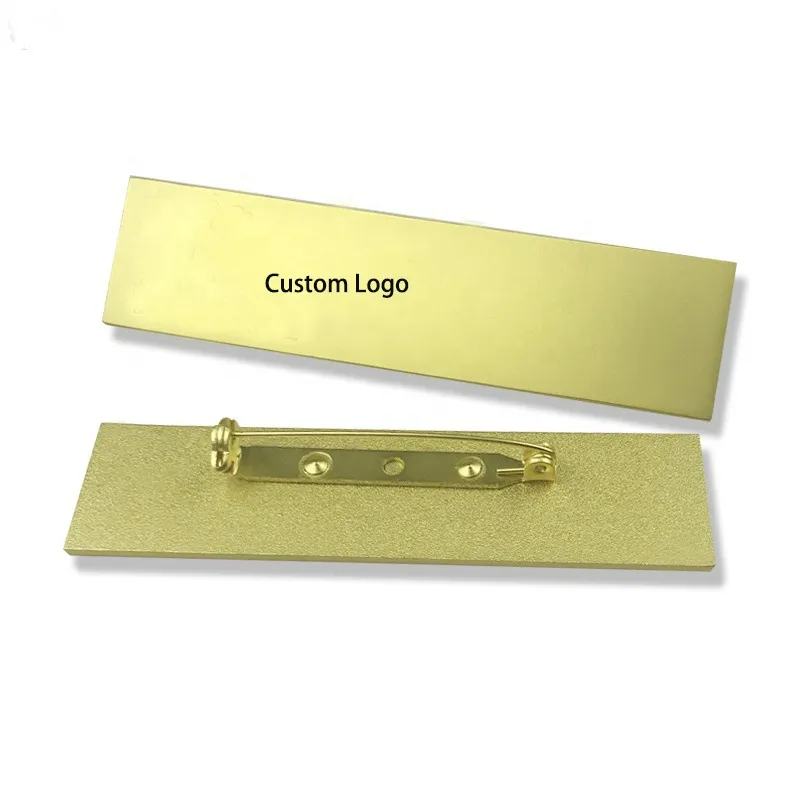
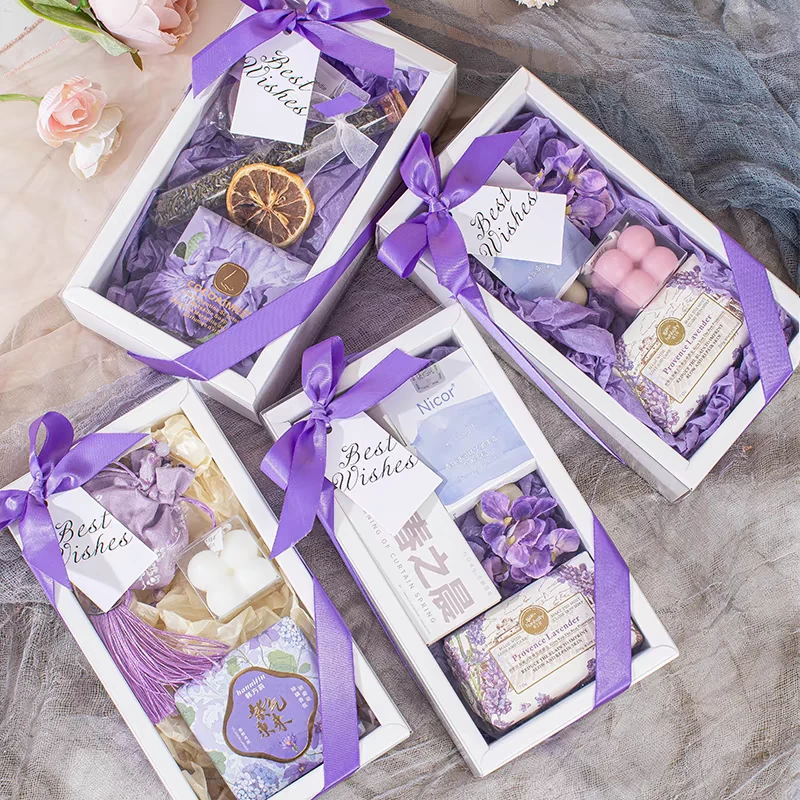
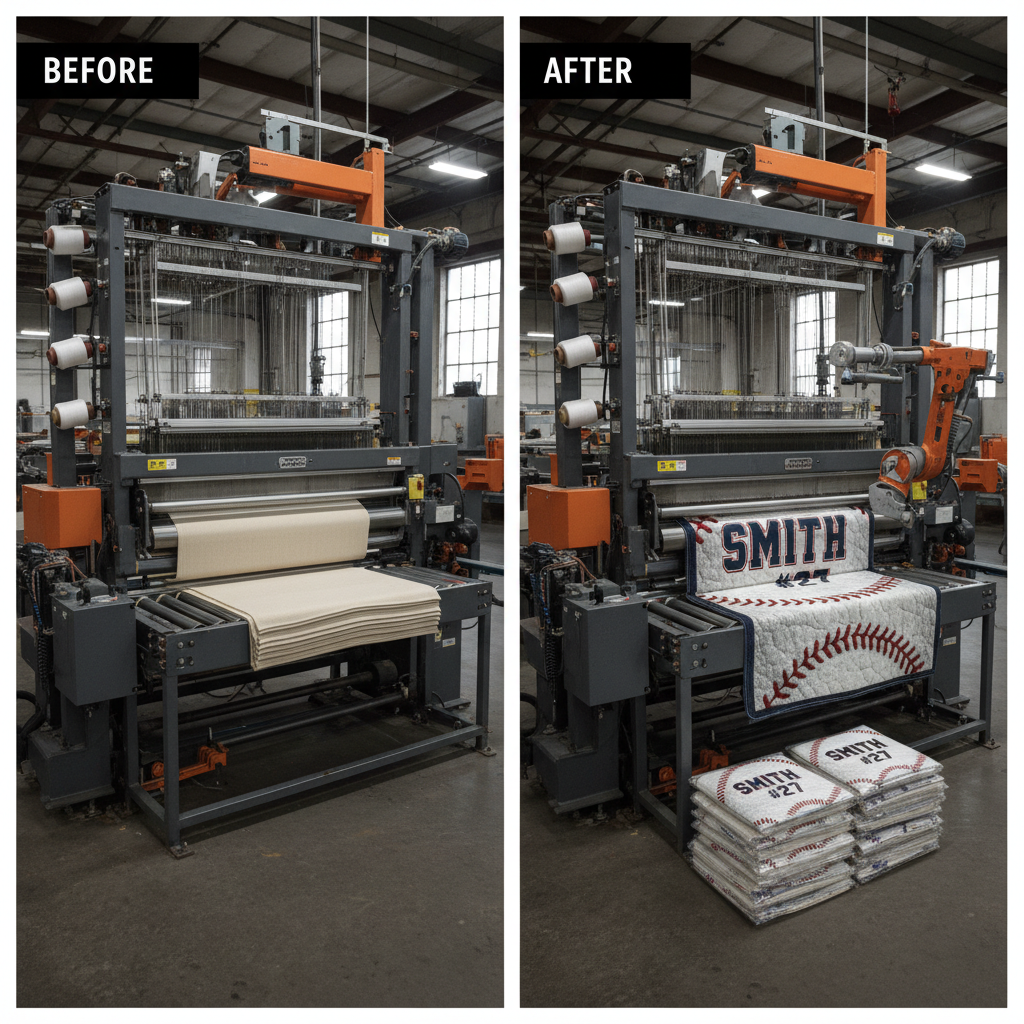
Figure 2: Custom metal Badges demonstrating varied material finishes and structural integrity.
Manufacturing Process Flow for High-Precision Badges
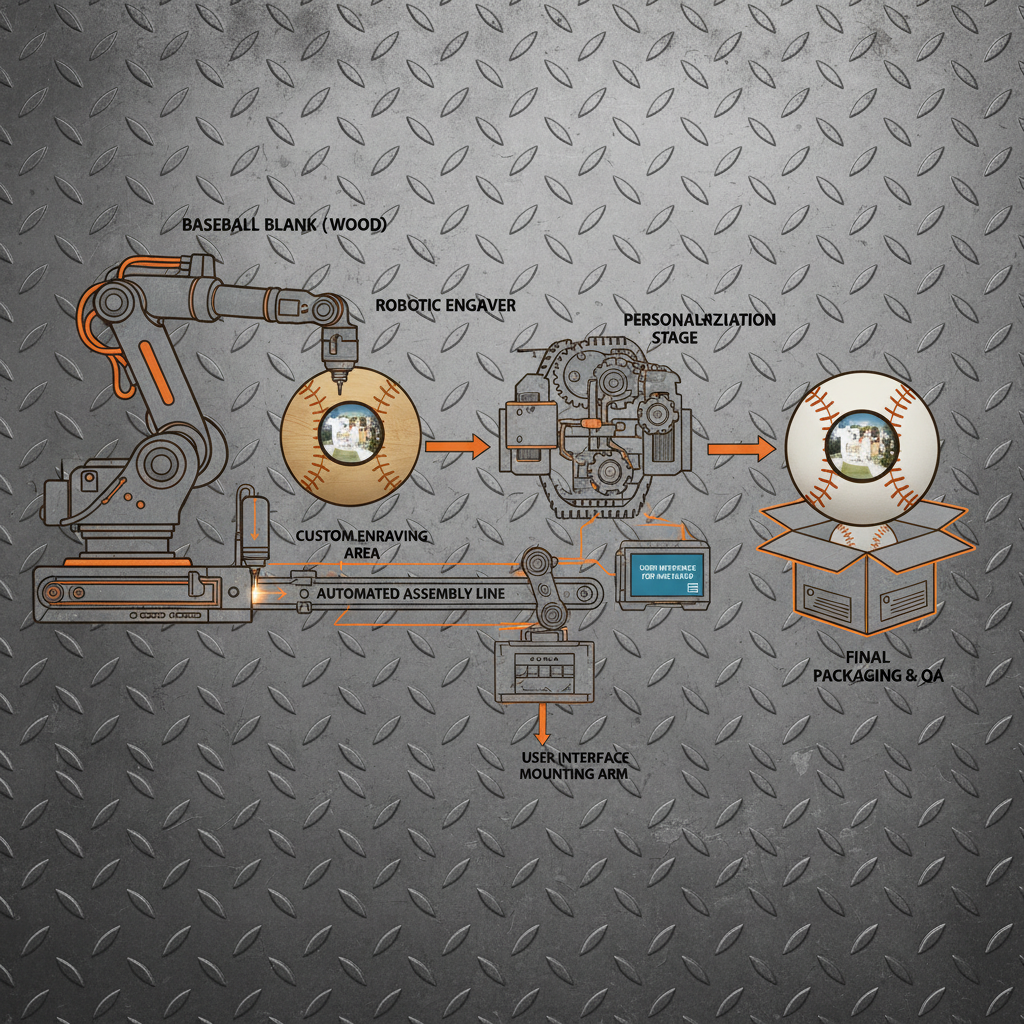
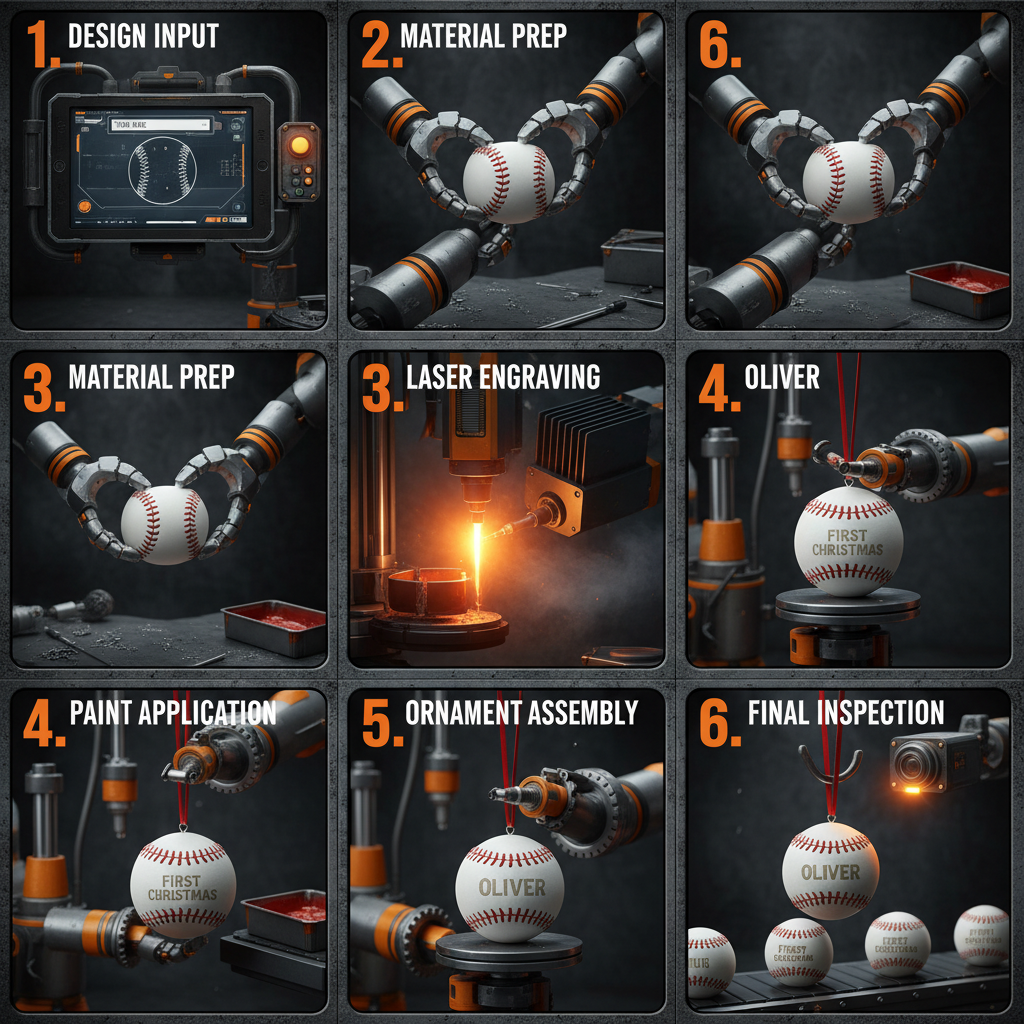
The production of high-quality Badges involves a multi-stage, precision-driven manufacturing process, integrating both traditional craftsmanship and advanced industrial techniques. Adherence to strict quality control protocols, often aligned with ISO 9001 standards, ensures consistency and durability.
-
✓
1. Design & Prototyping:
Begins with client specifications and concept development. CAD software is used for detailed 2D drawings and 3D modeling, followed by rapid prototyping (e.g., 3D printing or CNC milling) to validate design accuracy and ergonomic considerations before mass production of Badges.
-
✓
2. Mold/Die Creation:
For metal Badges, hardened steel dies are created via CNC machining or engraving. For soft PVC, intricate molds are produced. Precision in this step is critical for capturing fine details and ensuring dimensional accuracy.
-
✓
3. Material Forming (Stamping/Casting/Injection):
Depending on material: metals are stamped (for flat designs) or die-cast (for 3D relief) using molten alloys. PVC Badges are formed through precision injection molding. This step defines the core structure of the Badges.
-
✓
4. Trimming, Grinding & Polishing:
Excess material (flash) is removed. Surfaces are ground smooth and then polished to achieve the desired luster, often using automated machinery to ensure uniformity across batches.
-
✓
5. Plating & Finishing:
Electroplating with gold, silver, nickel, or bronze adds aesthetic appeal and corrosion resistance. Enamel (soft or hard) is carefully applied and cured. Sandblasting, antique finishes, or epoxy coatings are applied as specified.
-
✓
6. Attachment Assembly & Final QC:
Pins, magnetic fasteners, or other attachments are securely affixed. Each badge undergoes rigorous final quality control checks, including visual inspection, adhesion tests, and dimensional verification, often against ANSI standards for mechanical products. Service life is optimized through material selection and coating durability.
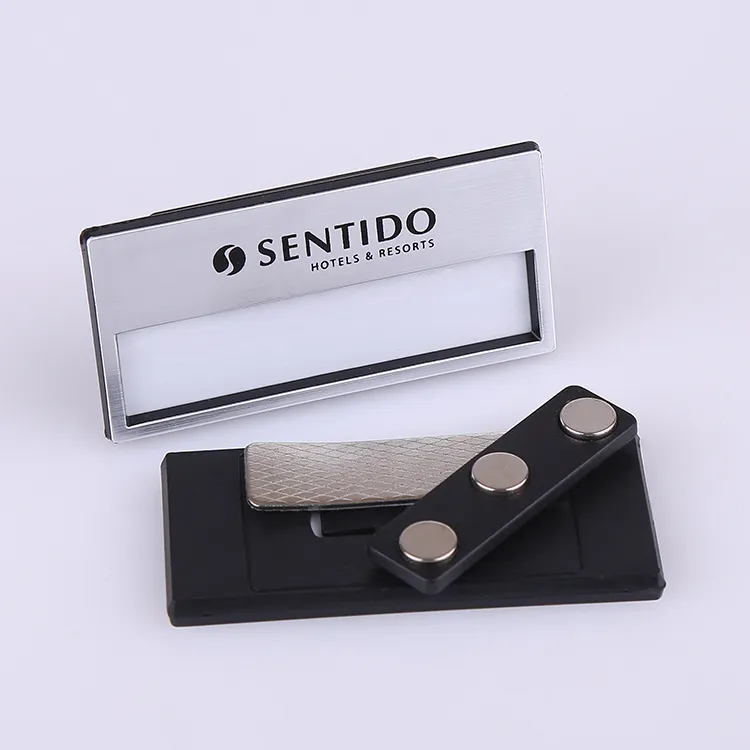
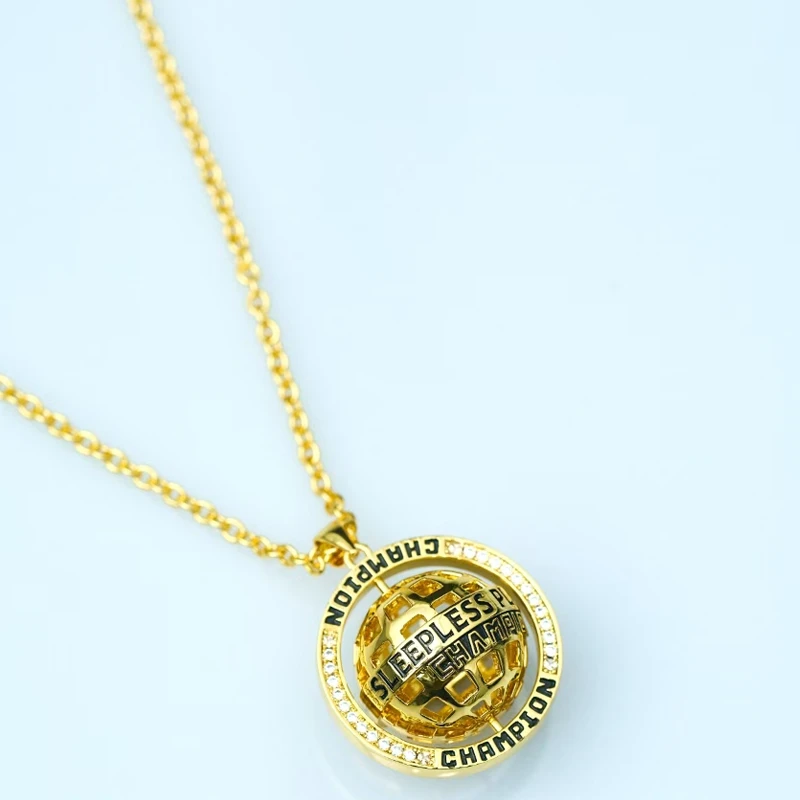
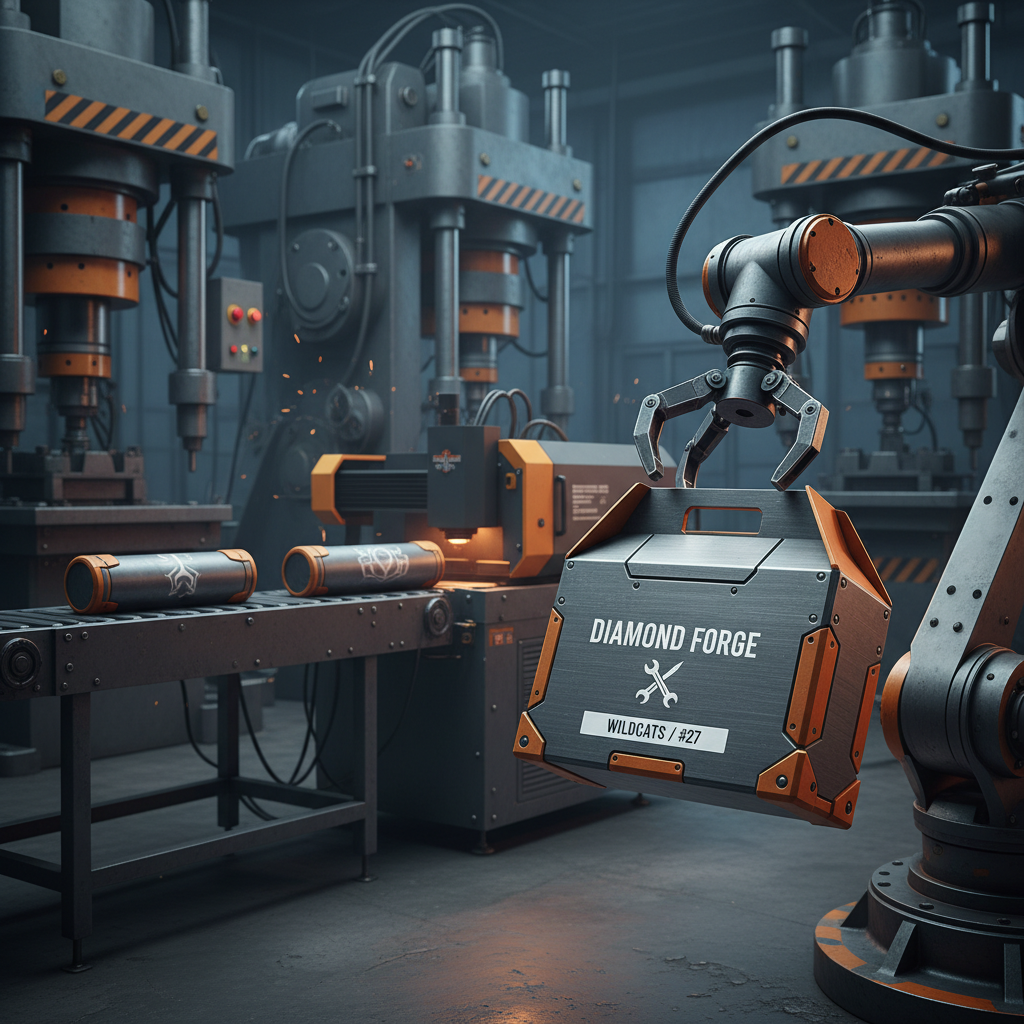
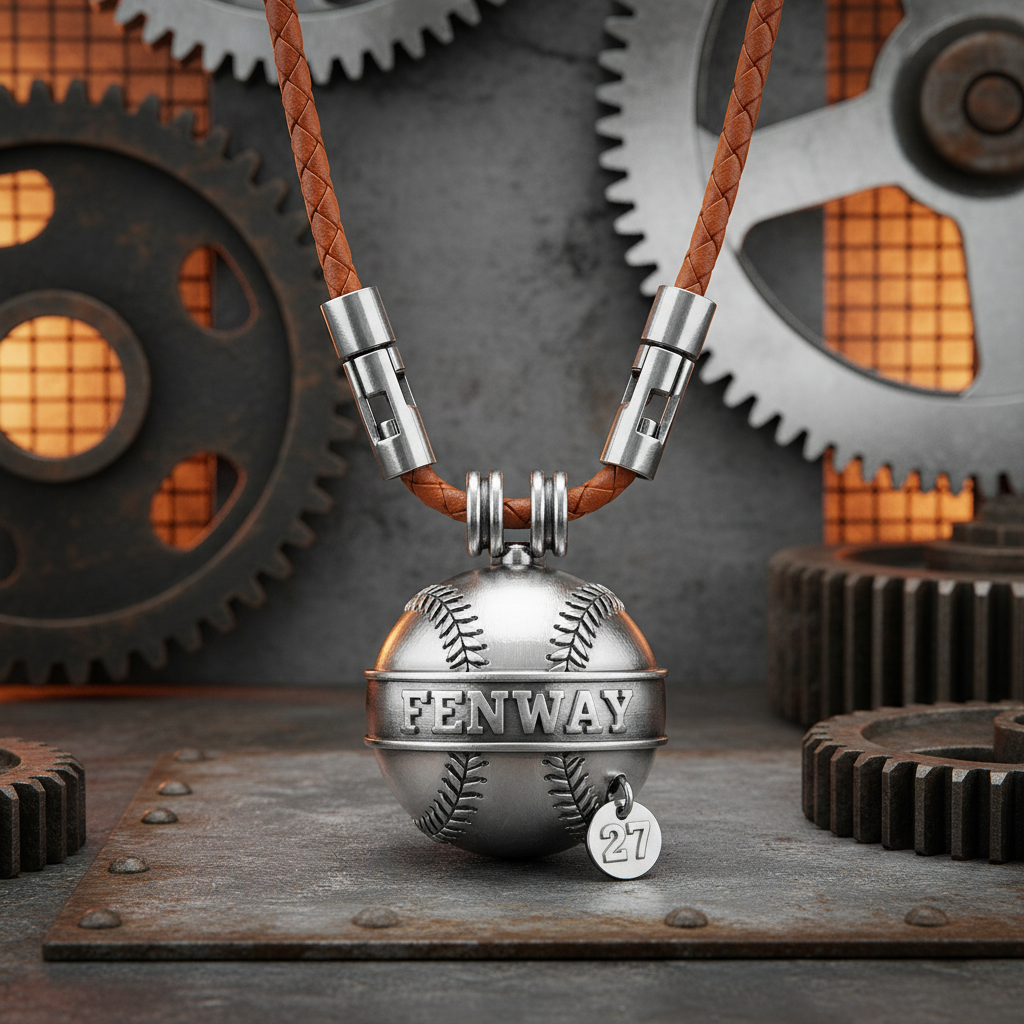
Figure 3: Close-up of a high-detail badge, reflecting precision manufacturing and finishing techniques.
Application Scenarios and Target Industries
The versatility of custom Badges makes them indispensable across a broad spectrum of B2B applications, ranging from critical safety identification to sophisticated brand promotion.
- Petrochemical & Energy Sector: Robust, corrosion-resistant Badges for employee identification, safety certifications (e.g., HazMat training), and access control in demanding, hazardous environments. Focus on materials like stainless steel or specialized anodized aluminum for longevity and resistance to chemical exposure.
- Metallurgy & Heavy Industry: Durable Badges for machinery operators, quality control personnel, and site supervisors. Often feature clear, large text/logos for visibility and withstand abrasive conditions.
- Water Supply & Drainage: Waterproof and UV-resistant Badges for field engineers and maintenance crews, ensuring clear identification regardless of environmental conditions.
- Healthcare & Pharmaceuticals: Hygienic, easily cleanable Badges for medical staff identification, often with magnetic attachments to prevent damage to uniforms. Compliance with FDA guidelines for non-toxic materials is paramount.
- Corporate & Event Management: High-quality, aesthetically pleasing Badges for employee recognition, corporate branding, VIP access, and promotional giveaways at conferences and trade shows.
- Military & Security Services: Securely designed and manufactured Badges for rank, unit identification, and specialized qualification, often requiring highly durable materials and robust fastening mechanisms.
Technical Advantages of High-Quality Badges
Investing in meticulously manufactured Badges offers distinct technical and operational advantages for businesses.
- Enhanced Durability & Longevity: Utilizing premium metals like brass or stainless steel, combined with advanced plating (e.g., galvanic coating) and hard enamel processes, ensures resistance to abrasion, impact, and chemical degradation, significantly extending service life in demanding environments.
- Superior Corrosion Resistance: Specialized coatings (e.g., clear epoxy, nickel plating) and inherently resistant materials like 316L stainless steel provide critical protection against moisture, salinity, and corrosive agents, reducing replacement cycles and maintenance costs, especially in petrochemical or marine applications.
- Precision Aesthetic Fidelity: Modern manufacturing techniques, including high-resolution CNC engraving and photo-etched processes, allow for intricate design details, sharp edges, and vibrant color reproduction. This translates into Badges that accurately represent corporate branding and maintain a professional appearance.
- Optimized Security Features: The ability to integrate unique serialization, tamper-evident features, or embedded RFID/NFC chips directly into the badge material enhances security, traceability, and access control capabilities, vital for sensitive facilities.
- Energy Saving in Production: Efficient manufacturing processes, such as optimized die-casting and precision stamping, minimize material waste and energy consumption per unit compared to less refined methods, contributing to more sustainable production.
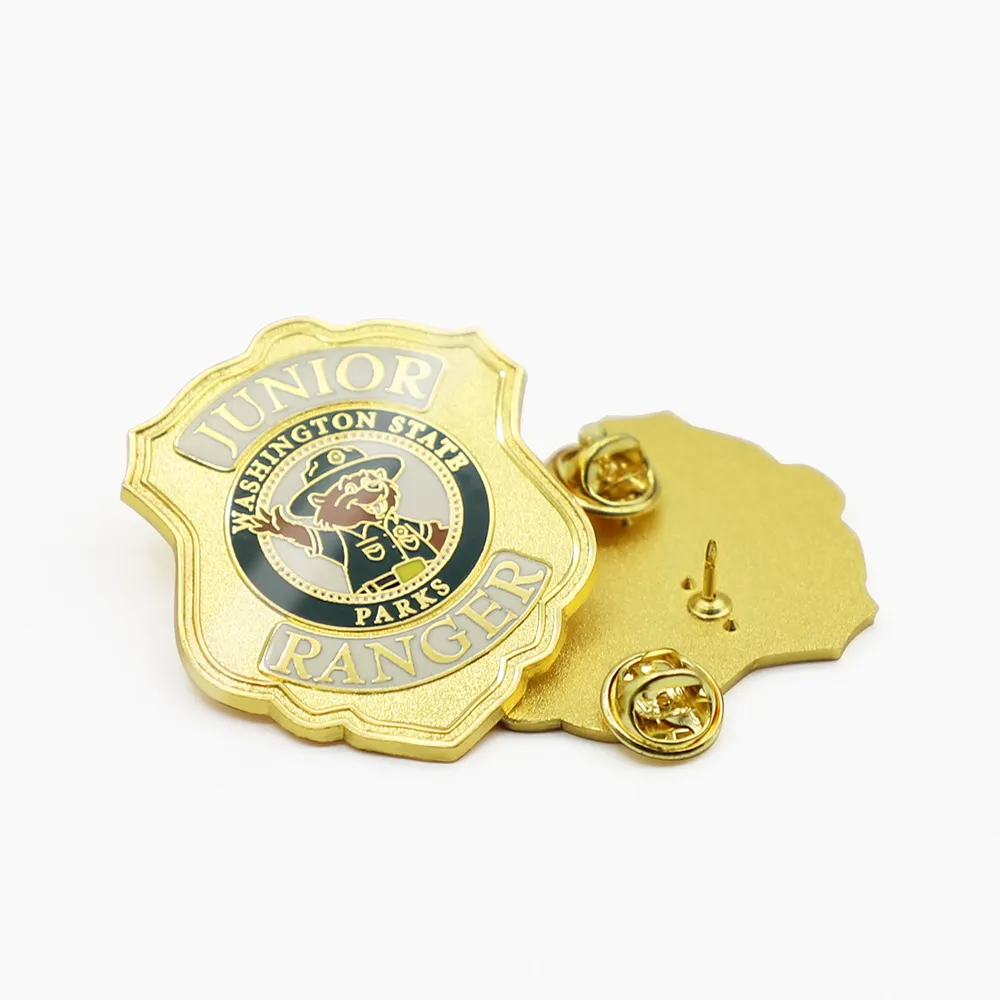
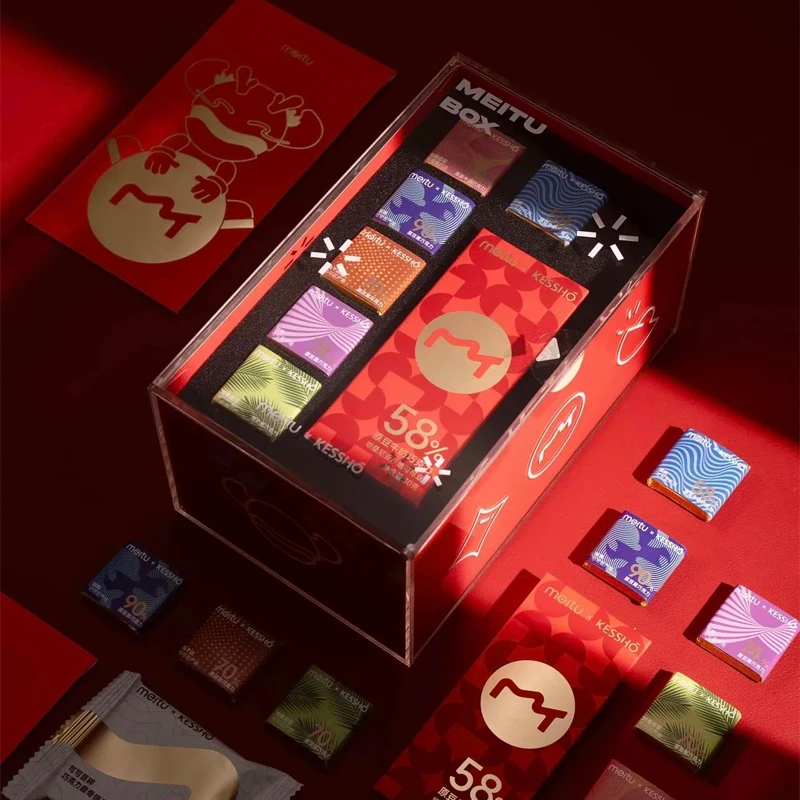
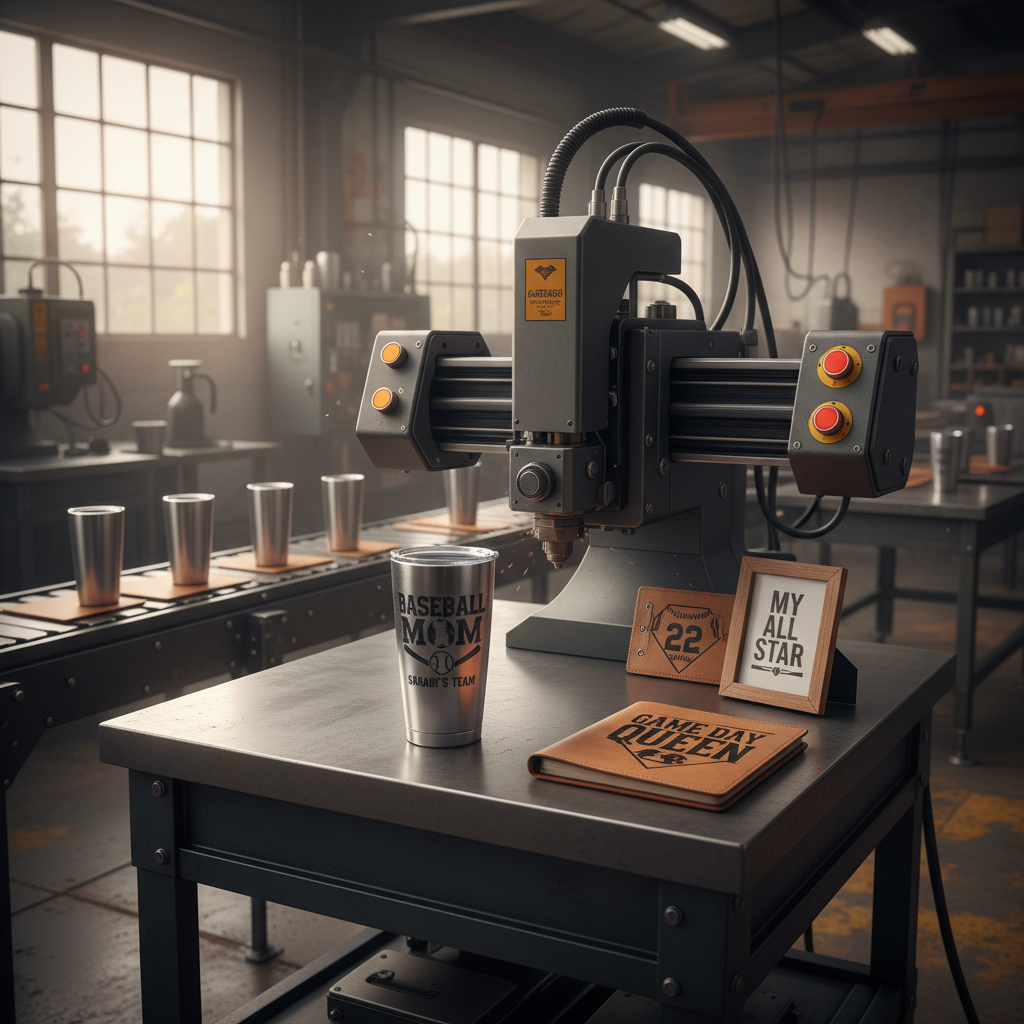
Figure 4: A collection of high-durability badges designed for industrial use, highlighting material strength.
Customized Solutions for Badges
The core strength of a leading badge supplier lies in its ability to offer comprehensive customized solutions that precisely match client requirements. This involves flexibility in every aspect of design and production.
- Material Selection: Clients can specify materials based on environmental exposure, aesthetic preference, and budget (e.g., brass for classic appeal, stainless steel for durability, zinc alloy for complex 3D designs).
- Design & Form Factor: From intricate corporate logos and 3D relief designs to specific shapes and sizes, full design flexibility is offered, including expert guidance on feasibility and optimization.
- Finishing & Plating Options: A wide array of finishes including polished gold, silver, nickel, antique bronze, matte black, sandblasting, and various enamel types (soft, hard, glitter, transparent) can be chosen to achieve desired visual and tactile properties.
- Attachment Mechanisms: Customization extends to the back attachment, including standard butterfly clutches, magnetic fasteners (ideal for delicate fabrics), screw posts, safety pins, and tie tacks, tailored for specific uses and comfort.
- Packaging & Presentation: Solutions can include individual polybags, velvet boxes, custom printed cards, or specialized display cases for presentation or retail purposes.
- Quantity & Expedited Production: Manufacturers typically accommodate a range of order quantities, from small batches for specialized recognition to large-scale production for major corporate events, with options for expedited delivery.
Vendor Comparison: Key Differentiators for Badge Suppliers
Selecting the right supplier for custom Badges is critical for achieving optimal quality, cost-effectiveness, and timely delivery. A comprehensive evaluation framework should consider several key performance indicators.
| Feature | High-Tier Vendor (e.g., The Genius Gifts) | Standard Vendor |
|---|---|---|
| Material Quality & Sourcing | Certified, ethically sourced premium metals (Brass, SS304/316L), lead-free alloys, high-grade enamels. | Standard commercial-grade metals, variable alloy compositions, basic enamels. |
| Manufacturing Precision & Technology | Advanced CNC machining, high-resolution laser engraving, multi-stage polishing, precise die-casting/stamping. | Basic stamping, manual polishing, limited detailing capabilities. |
| Design & Prototyping Capabilities | In-house design team, 3D rendering, rapid prototyping, expert consultation on complex designs. | Limited design support, often relies on client-supplied finalized artwork. |
| Quality Control & Certifications | Multi-stage QC (ISO 9001, ANSI standards), material testing, lead-free/RoHS compliance, durability tests. | Basic final inspection, fewer certifications, reactive quality resolution. |
| Lead Times & Logistics | Streamlined production, transparent lead times, expedited options, global shipping, inventory management support. | Variable lead times, fewer rush order options, less robust logistics. |
| Customer Support & After-Sales | Dedicated account managers, responsive communication, comprehensive warranty, easy reorder process. | General support, limited post-delivery assistance. |
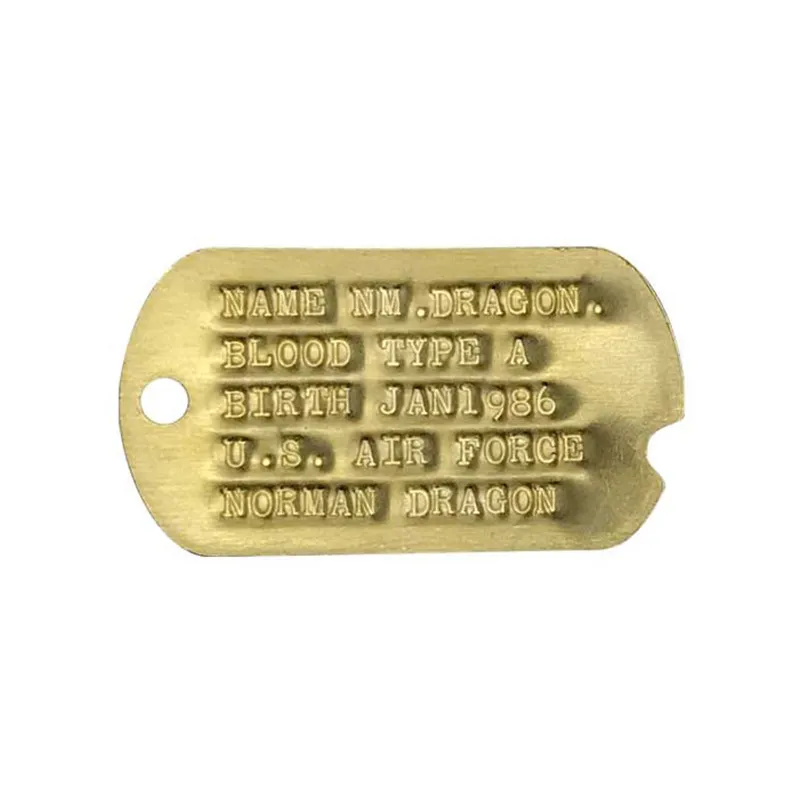
Figure 5: Exemplar of precision-crafted badges, a hallmark of high-tier manufacturers.
Real-World Application Case Studies
Case Study 1: Enhanced Safety Compliance in a Petrochemical Plant
A major petrochemical corporation operating in a highly corrosive coastal environment required new employee identification and safety protocol compliance Badges. Their previous Badges, made from standard brass with basic plating, exhibited rapid degradation, fading, and attachment failures within 18 months.
Solution: We developed custom Badges from marine-grade 316L stainless steel, known for its superior resistance to chlorides and harsh chemicals. Each badge was finished with a hard epoxy coating over laser-etched identification details and safety symbols. Magnetic attachments were chosen to prevent uniform damage while ensuring secure fastening.
Outcome: The new badges demonstrated exceptional durability, showing no signs of corrosion or wear after 3 years of continuous outdoor exposure. This led to a 75% reduction in replacement costs and significantly improved compliance with safety regulations, as identification remained clear and legible.
Case Study 2: Global Tech Company Employee Recognition Program
A rapidly expanding multinational tech firm sought unique, aesthetically superior Badges for their annual employee recognition program. They needed a design that reflected their innovative brand identity and could be customized with individual employee names for an award ceremony.
Solution: We proposed zinc alloy die-cast badges with a sleek matte black nickel plating and polished silver accents, allowing for a sophisticated 3D logo effect. Soft enamel was used for vibrant color infill, and individual employee names were laser-engraved onto each badge. Each badge was presented in a custom-designed velvet box.
Outcome: The program was a resounding success. Employees reported a strong sense of value and appreciation, attributed in part to the high-quality, personalized badges. The visually striking design perfectly reinforced the company's modern brand image, leading to a repeat order for subsequent recognition events.
Trustworthiness & Customer Assurance
Frequently Asked Questions (FAQ)
Q: What is the minimum order quantity for custom Badges?
A: Minimum order quantities (MOQ) can vary depending on material, complexity, and specific manufacturing processes. Typically, MOQs start from 50 to 100 units for most metal Badges, but it's best to consult with our sales team for project-specific details.
Q: How long does the production process take?
A: Standard production lead times for custom Badges typically range from 15 to 25 business days after final artwork approval and mold creation. Rush orders or complex designs may have different timelines. We provide estimated lead times upon project quotation.
Q: Can you help with design or artwork creation?
A: Yes, our in-house design team offers comprehensive support, from concept development to finalizing print-ready artwork, ensuring your vision for your Badges is perfectly realized.
Q: What are your testing standards for durability and material safety?
A: All our Badges undergo stringent quality control adhering to ISO 9001 standards. Material safety is confirmed with lead-free and RoHS compliance for relevant components, and durability is tested against industry benchmarks such as ANSI standards for specific mechanical properties.
Lead Time & Fulfillment
Our streamlined production process and efficient logistics network ensure optimal lead times. Typical production for custom Badges is 3-4 weeks from final design approval, with air freight typically adding 3-7 days. Expedited manufacturing and shipping options are available for urgent requirements, ensuring your project timelines are met.
Warranty Commitments
We stand behind the quality and craftsmanship of our custom Badges. A comprehensive warranty covers manufacturing defects and material integrity for a specified period (e.g., 1-year against material and workmanship defects from delivery date). Detailed warranty terms are provided with each quotation, ensuring peace of mind.
Customer Support & Reordering
Our dedicated customer support team is available via phone, email, and live chat to assist with design consultation, order tracking, and any post-delivery inquiries. We maintain detailed records of previous orders, making reordering simple and efficient, ensuring consistency for your ongoing needs.
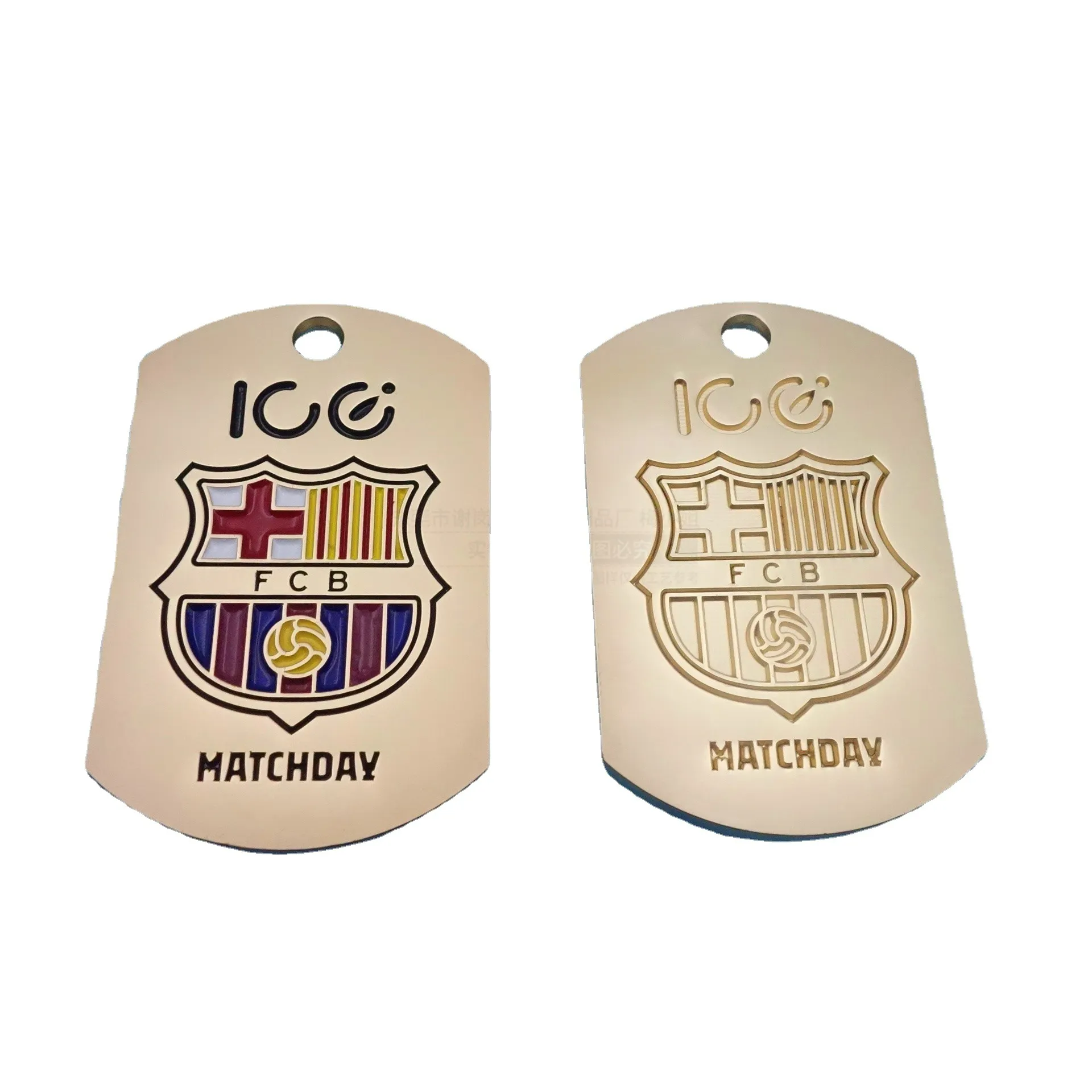
Figure 6: A quality control inspection of finished badges, highlighting commitment to excellence.
Conclusion
Custom-engineered Badges are more than simple accessories; they are critical tools for identification, brand reinforcement, and operational efficiency within the B2B sector. By leveraging advanced materials, precision manufacturing techniques, and bespoke design capabilities, businesses can acquire durable, aesthetically superior, and functionally optimized Badges that meet the rigorous demands of their specific industries. Choosing a vendor committed to quality, technical expertise, and customer satisfaction ensures a strategic investment that yields long-term benefits in branding, security, and employee morale.
References
- American National Standards Institute (ANSI). (n.d.). Standards and Conformity Assessment. Retrieved from https://www.ansi.org/
- International Organization for Standardization (ISO). (n.d.). ISO 9001 Quality management. Retrieved from https://www.iso.org/iso-9001-quality-management.html
- The Aluminum Association. (n.d.). Aluminum Standards and Data. Retrieved from https://www.aluminum.org/
- Nickel Institute. (n.d.). Properties of Stainless Steel. Retrieved from https://nickelinstitute.org/
- Brass and Copper Development Association. (n.d.). About Copper Alloys. Retrieved from https://copperalliance.org.uk/