Custom Baseballs: Expert Insights on Quality & Customization
The Art and Craft of Custom Baseballs: A Veteran's Take
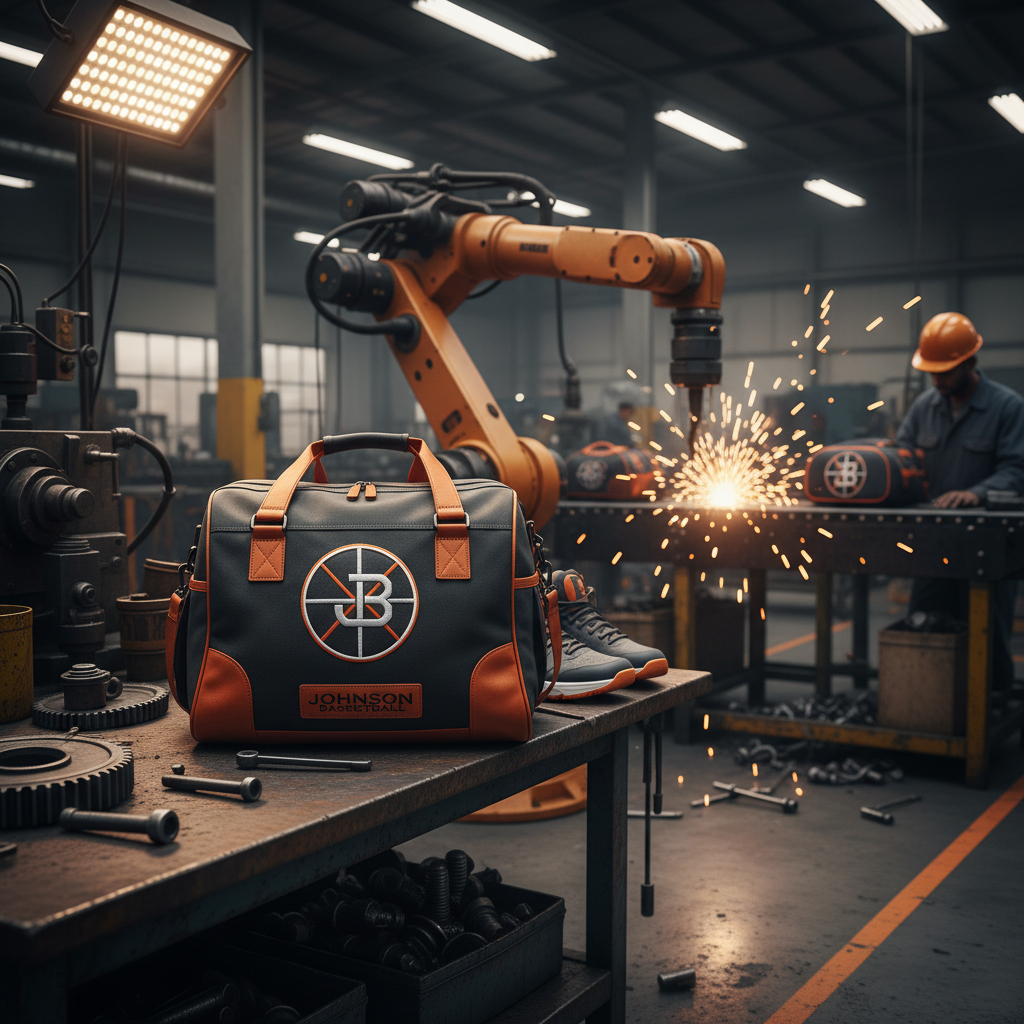
Having spent a good chunk of my career in the industrial equipment sector, I’ve seen my fair share of precision manufacturing—from heavy machinery parts to wearable gear. Oddly enough, one of the most fascinating products I’ve recently grown interested in isn’t your usual metal or electrical component, but something as simple as a custom baseball. It feels like a strange leap, but hear me out.
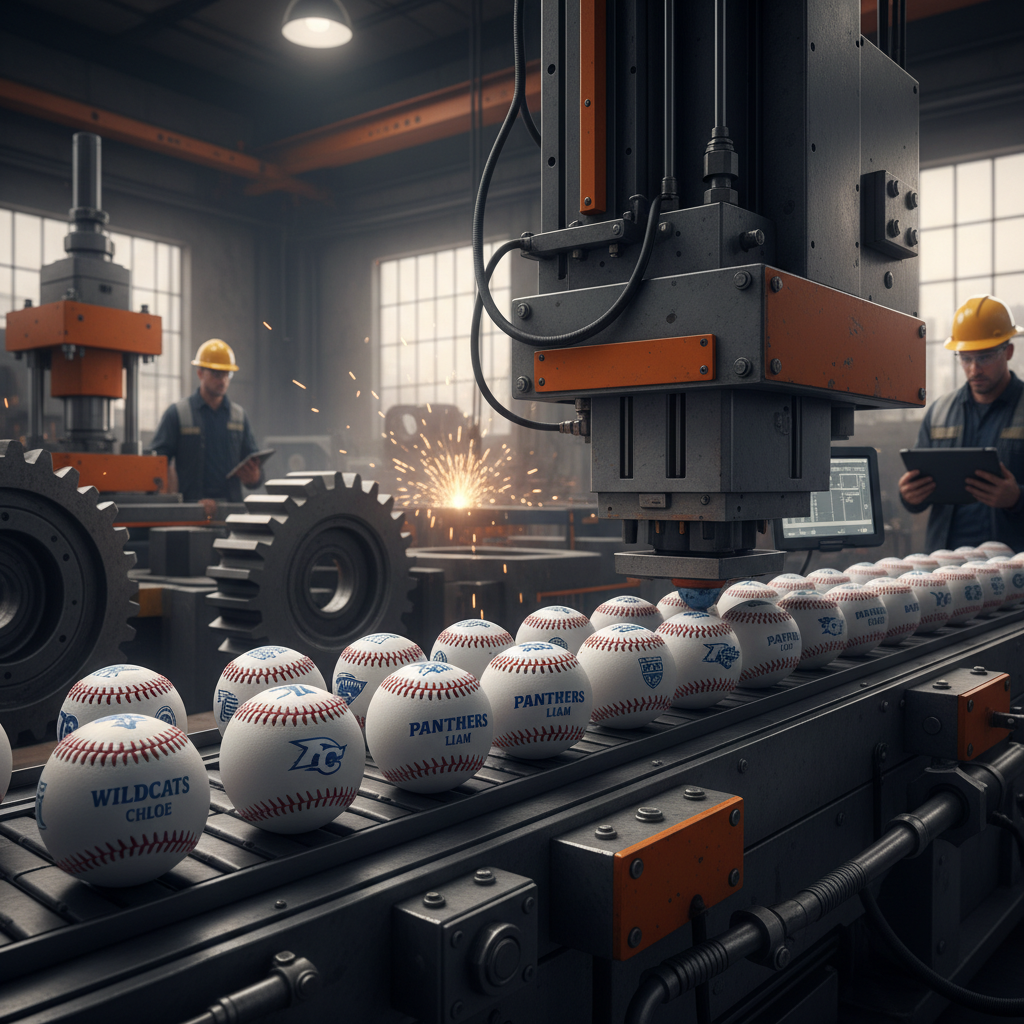
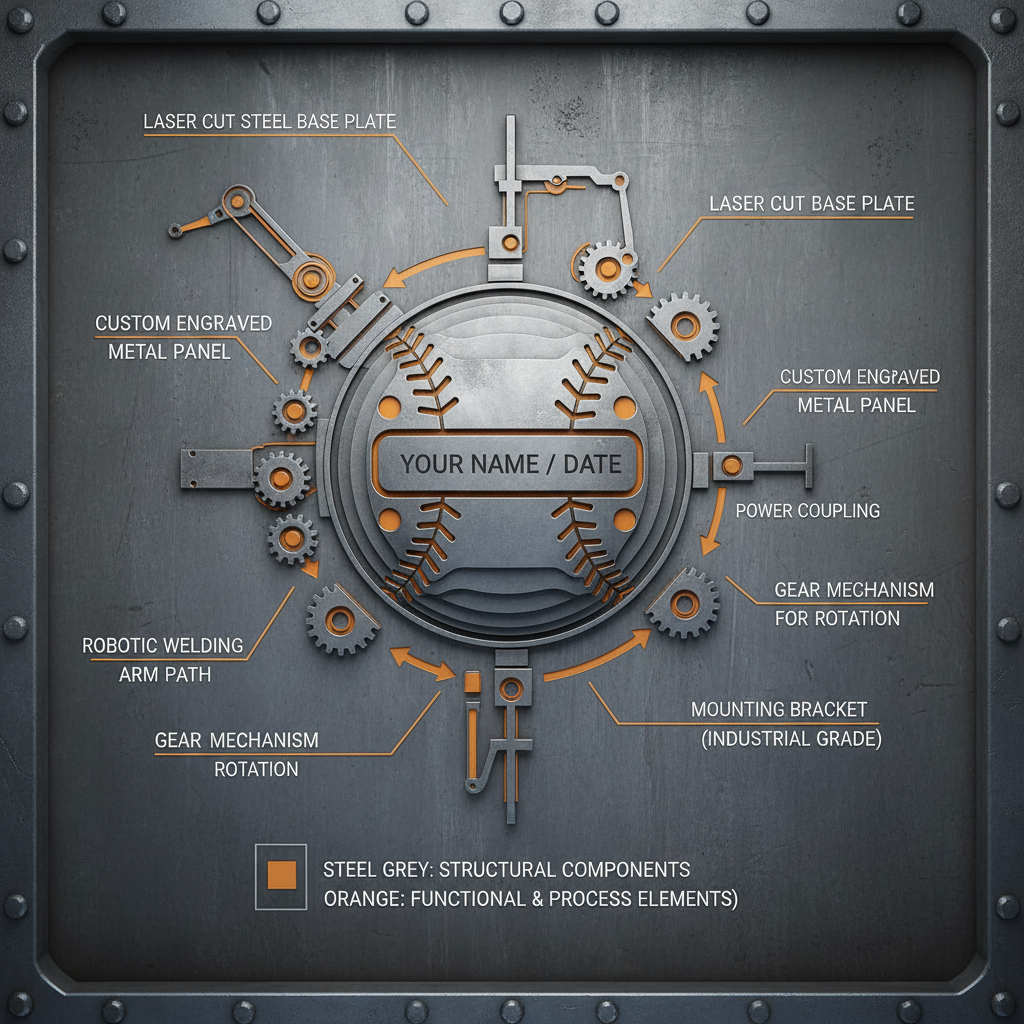
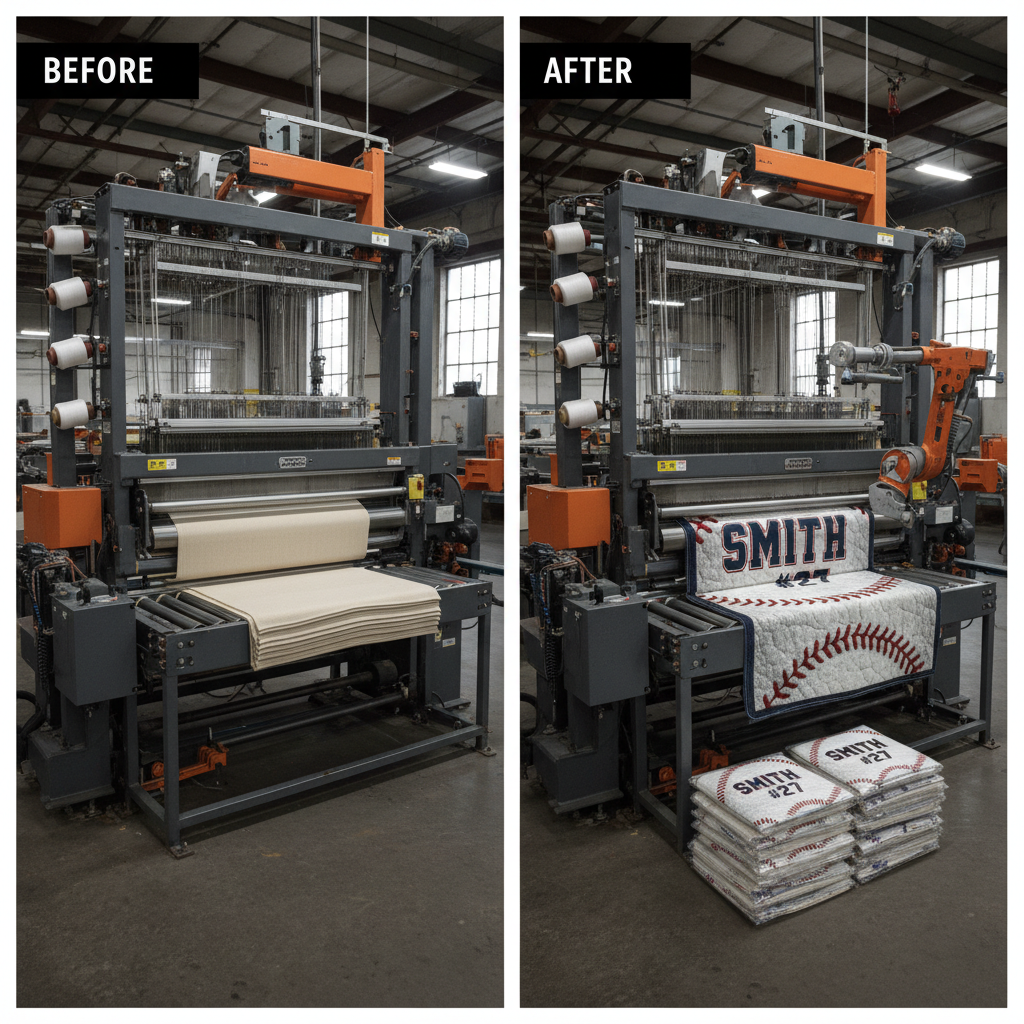
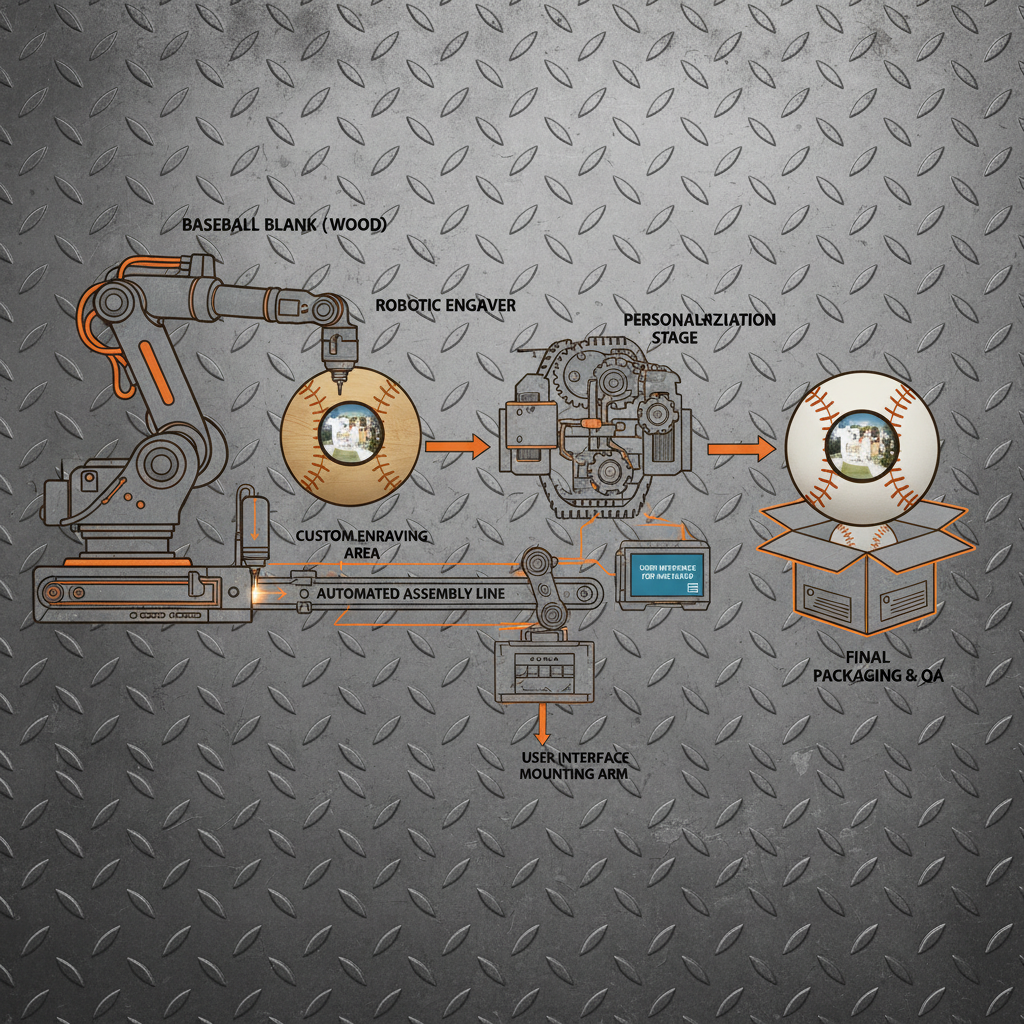
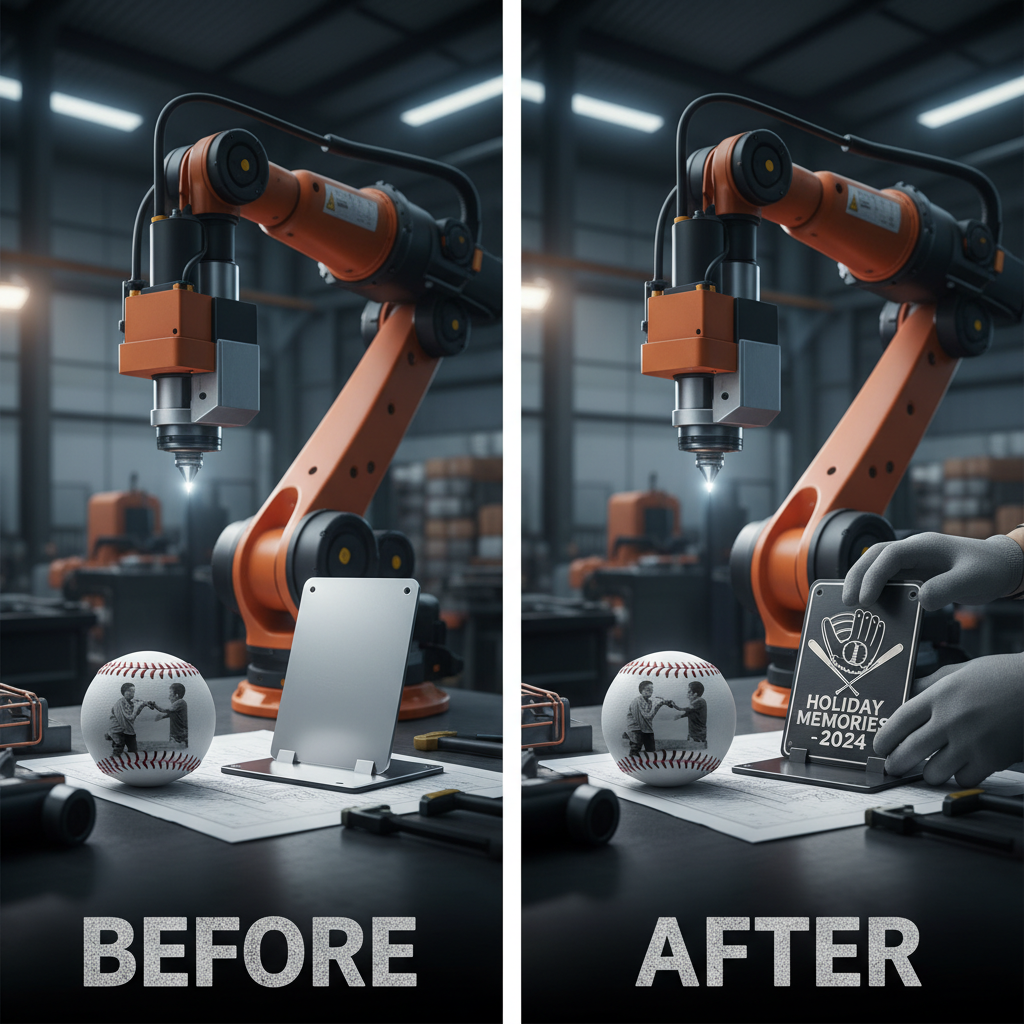
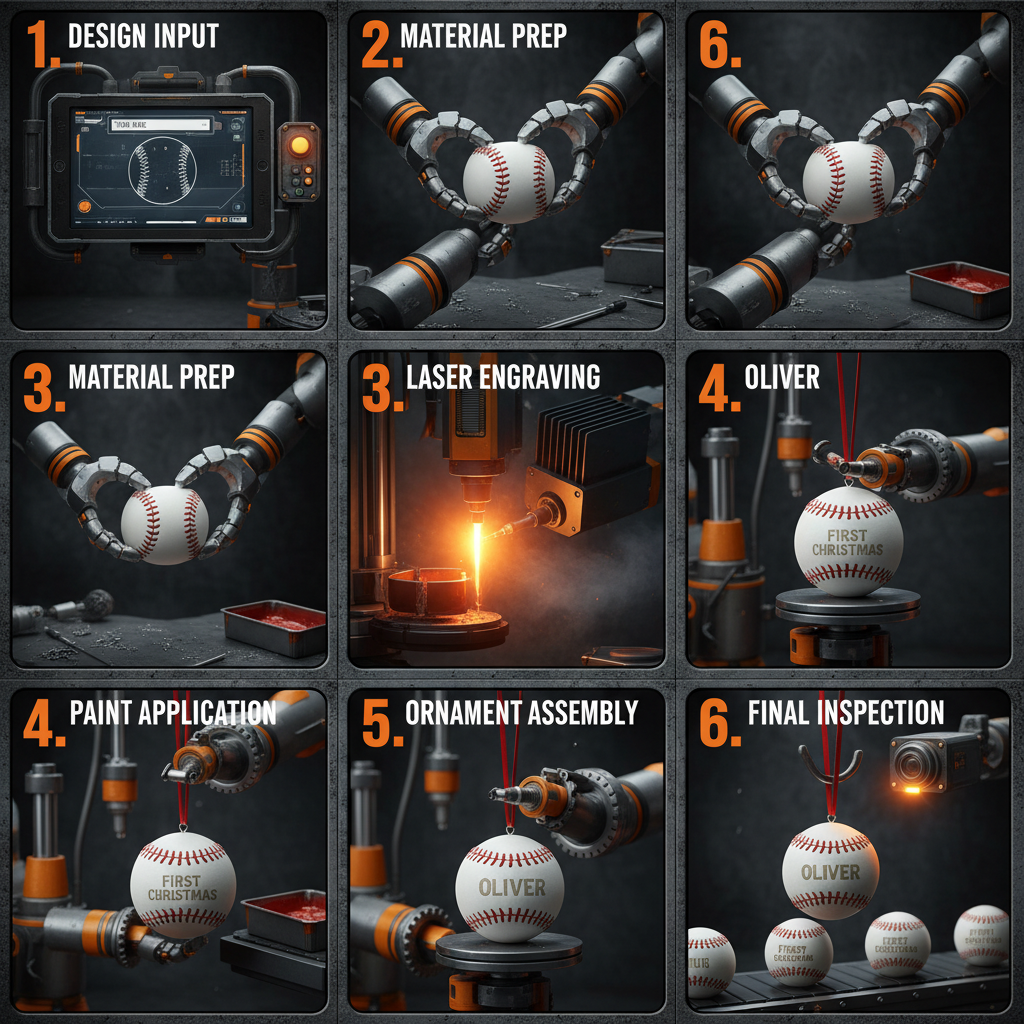
Baseballs might seem straightforward at first glance—just a leather sphere with stitches. But the magic happens in the details, especially when you start customizing for team logos, promotional gifts, or personal keepsakes. In real terms, producing a quality custom baseball blends craftsmanship with industrial-grade precision. I suppose it’s a reminder that even simple things can have complex processes behind them.
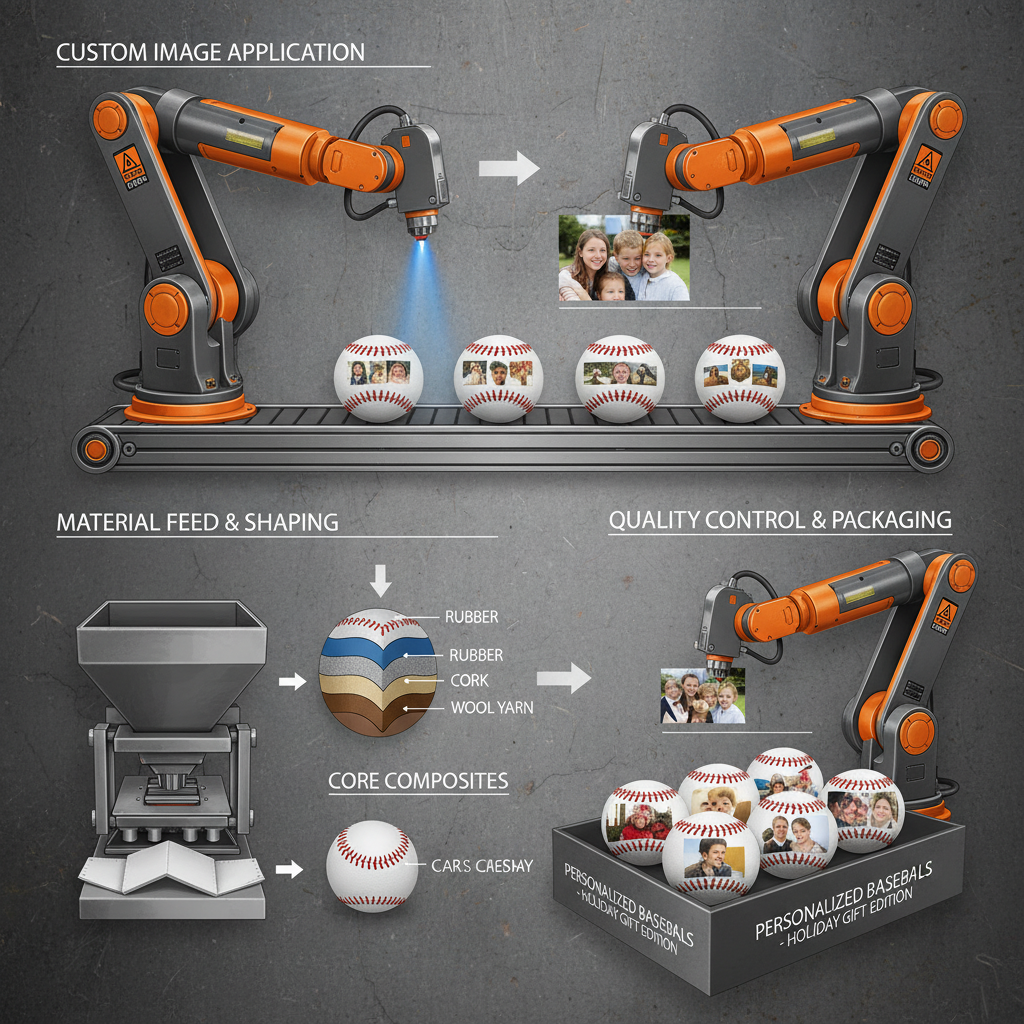
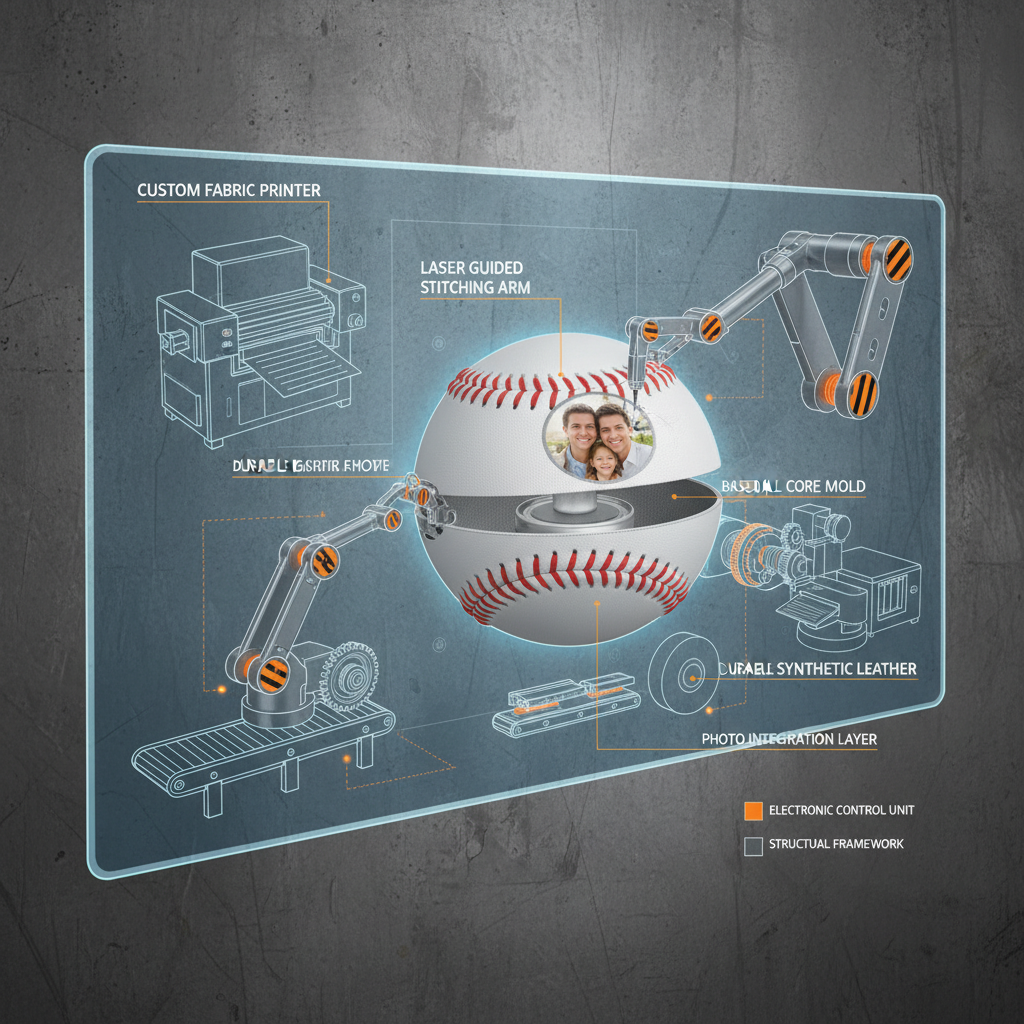
Materials and Design: The core of every good baseball is the cork or rubber center, wrapped tightly in yarn and covered with high-grade leather. The type of leather used can make a huge difference—typically cowhide is the material of choice, thanks to its durability and feel. Many engineers I’ve worked with remark on the balance between aesthetic customization and maintaining playability. Printing logos or graphics without compromising the leather's texture or the stitching’s integrity is no small feat.
Before hitting the market, these custom baseballs undergo rigorous quality control tests. I recall a client story from a minor league baseball team who ordered a batch of custom-branded balls as giveaways. They were worried the inks would fade or the seams might loosen during play. Luckily, the supplier did impact and UV resistance tests, ensuring the baseballs held up well—both in use and under stadium lighting.
Here’s a quick rundown of the typical specs you’d expect on a custom baseball:
| Specification | Details |
|---|---|
| Core Material | Cork or Rubber |
| Cover Material | Cowhide leather, premium grade |
| Stitching | Raised double stitches, usually 108 red stitches |
| Customization Options | Team logos, player names, corporate branding, full-color printing |
| Diameter | Standard MLB size ~73 mm (2.87 inches) |
| Weight | 5 oz (142 grams) ± tolerances |
Now, when considering suppliers of custom baseballs, there are a few industry names I keep hearing about. The competition isn’t huge, but each vendor brings different strengths—like turnaround speed, print quality, gear durability, and pricing. For businesses or teams ordering in bulk, these differences can be make-or-break.
| Vendor | Customization Options | Minimum Order Qty. | Lead Time | Average Price Per Ball |
|---|---|---|---|---|
| Genius Sports Customs | Full color, embroidery, UV coatings | 50 | 2-3 weeks | $7.50 |
| Pro Ball Prints | Limited colors, heat stamping | 100 | 3-5 weeks | $6.50 |
| AllStar Custom Balls | Embossing, full-color prints | 75 | 1-2 weeks | $8.00 |
That said, smart buyers often balance price with quality and turn-around. I noticed sometimes it’s tempting to go for the cheapest option, but for promotional or collectible baseballs, wear resistance and print longevity tend to matter most. One project we did for a client involved limited-edition balls with intricate graphics, and frankly, it paid off to invest in a higher-end supplier who used UV-resistant inks and reinforced stitching.
In terms of practical usage, these custom baseballs aren’t just for show. Many leagues use branded balls as official game balls, so the stitching quality, weight consistency, and ball bounce must meet league standards. Oddly enough, that makes them part precision tool, part marketing asset. You get to hold a little piece of both worlds.
Before I sign off, a small anecdote: my nephew plays on a local little league team, and they had custom baseballs with their team logo this past season. The kids were thrilled — it made the game feel much more official to them, and oddly enough, I think they played just a bit harder, feeling that pride in their customized gear. To me, that’s a reminder that quality custom products have a real emotional value beyond their specs.
If you’re considering a custom baseball for your team, event, or promotion, I’d advise looking closely at materials, printing methods, and vendor reputation. You’d want a product that lasts, looks great, and feels authentic—not just something to toss in a drawer.
In a way, working with custom baseballs feels like coming full circle—from heavy industrial gear to a finely crafted, sport-centric product that touches communities, families, and fans. Sort of poetic, don’t you think?
Quick Takeaway: Custom baseballs mix heritage craftsmanship with modern printing tech—making them a surprisingly complex product with genuine impact.
References:
- MLB Official Baseball Manufacturing Guidelines (mlb.com)
- Industry Insights on Promotional Sports Goods, 2023
- Customer Interviews and Vendor Data Sheets, The Genius Gifts, 2024