Custom Made Stuffed Animals | Personalized Plush Toys for Every Occasion
What Are Custom Made Stuffed Animals and Why They Matter Worldwide
When you hear “custom made stuffed animals,” what probably comes to mind are personalized plush toys that carry a special meaning — whether it's a handmade teddy bear with a child’s name embroidered or a uniquely styled mascot for an event. But oddly enough, these soft companions don’t just belong in toy stores or gift shops; they hold an intriguing place within global commerce, culture, and social initiatives. Understanding custom made stuffed animals means diving into how they impact manufacturing innovation, emotional wellbeing, and even educational or therapeutic settings.
Globalization, combined with technological advances, has transformed how these cherished collectibles are designed and produced. According to the International Trade Centre (ITC), the global toy market was valued at over $90 billion in 2022 — stuffed animals remain a beloved segment within this. More importantly, the rise of customizable goods reflects how customers today crave uniqueness and authenticity rather than mass-produced sameness.
The Industry’s Global Footprint: Challenges and Opportunities
Across Europe, North America, and parts of Asia, the demand for tailored plush toys has skyrocketed. Many companies report that bespoke stuffed animals help forge emotional connections between customers and brands. But this niche faces challenges: sourcing sustainable materials, balancing quality and cost, and navigating complex international trade regulations (think multitudes of ISO certificates and safety standards like EN71 or ASTM F963 mandated in toy safety).
In some developing countries where manufacturing hubs have long flourished, shifting consumer values necessitate innovation — both in artistry and supply chain logistics. Not to mention concerns like long working hours or environmental impact that loom over textile and assembly lines globally. Custom made stuffed animals represent a small but telling battleground for ethical business practice and cutting-edge design.
Defining Custom Made Stuffed Animals: More Than Just Toys
At their core, custom made stuffed animals are plush figures crafted according to specific client designs, preferences, or themes. Unlike “off the shelf” standard products, these plush toys are made from scratch incorporating unique fabrics, colors, embroidery, and sometimes interactive elements like sounds or lights. Beyond toys, they find roles in promotional campaigns, therapeutic aid for hospitals, and personalized corporate gifts.
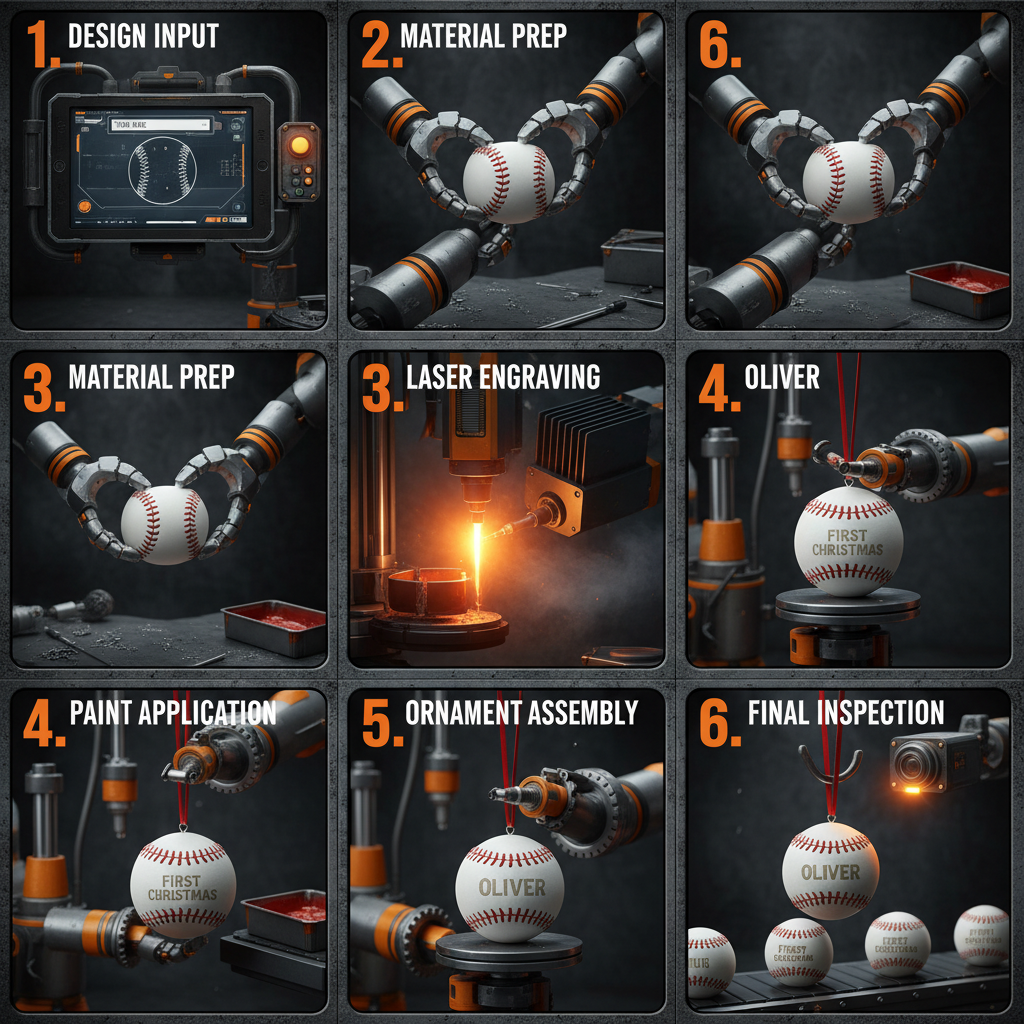
For example, hospitals often use stuffed animals customized to offer comfort or distract pediatric patients during treatments — a reminder that their value spans emotional support, not just playtime. In industry terms, this means merging handcraftsmanship with modern manufacturing technology: digital pattern making, laser cutting, and robotic sewing enhancements.
Core Components that Shape Quality and Appeal
1. Material Choice and Sustainability
Many designers prioritize eco-friendly fabrics like organic cotton or recycled polyester. Considering textile certifications like OEKO-TEX or Global Recycled Standard, material quality significantly influences softness, durability, and safety.
2. Design Flexibility
Custom made stuffed animals thrive on design diversity — from exaggerated facial expressions to personalized message tags. Advanced 3D modeling software lets creators preview every stitch, which helps meet client expectations accurately.
3. Production Scalability
Whether for a single order or bulk corporate giveaways, manufacturers balance handcrafted details with production speed. Using modular production lines allows orders of varying sizes without sacrificing quality.
4. Regulatory Compliance and Testing
Toys carrying the CE mark or ASTM compliance assure customers their plush friends are toxin-free and safe for children. Random batch testing is critical here, especially for custom runs with unique features.
5. Packaging and Presentation
Custom packaging tailored to the plush’s theme can enhance perceived value and create lasting impressions, especially during events or holiday seasons.
Mini Takeaway:
Every component, from eco-friendly fabric to intricate embroidery, builds toward a successful custom made stuffed animal that balances emotional appeal and practical durability.
Where Custom Made Stuffed Animals Make Their Mark Globally
In real terms, we find these unique stuffed friends in various corners:
- Retail & E-commerce: Personalized gifts on sites like Etsy and specialized boutiques.
- Healthcare Settings: Pediatric wards use them for emotional support, enhancing patient comfort.
- Nonprofits & Relief Efforts: Organizations distribute custom plush as symbols of hope or cultural connection for displaced children.
- Corporate Marketing: Firms use mascot-style plushies as giveaways promoting brand loyalty.
- Educational Tools: Custom stuffed animals teach diversity and empathy in classrooms.
For instance, after the 2015 Nepal earthquake, several NGOs included custom stuffed animals embroidered with local symbols as comforting gifts to children. It’s touches like this that elevate these toys beyond mere playthings.
Advantages & Long-Term Value of Choosing Custom Options
One could say the biggest benefit is the emotional connection — a plush toy crafted uniquely tends to evoke stronger attachment. Add to that the growing focus on sustainability; many manufacturers now emphasize biodegradable stuffing or non-toxic dyes, which reduces environmental footprint.
From a business perspective, custom made stuffed animals allow brands to differentiate themselves in a crowded market. They build trust and often lead to repeat customers seeking that personalized touch. Socially, these plush toys foster inclusivity by featuring diverse designs reflecting different cultures or abilities.
Product Specification Table
| Feature | Typical Range | Industry Standard |
|---|---|---|
| Material | Organic cotton, recycled polyester | OEKO-TEX certified |
| Size | 10cm to 50cm height | Customizable |
| Safety Testing | EN71, ASTM F963, CPSIA | Mandatory for children’s toys |
| Stuffing | Polyester fiberfill, biodegradable alternative | Non-toxic, hypoallergenic |
| Customization Options | Embroidery, sound modules, scented inserts | Varies by vendor |
Top Vendors Compared: Who’s Leading in Custom Plush Production?
| Vendor | Customization Flexibility | Material Quality | Lead Time | Sustainability Focus |
|---|---|---|---|---|
| PlushCo Creations | High – full design input | Premium organic fabrics | 6–8 weeks | Strong, certified |
| SoftToy Express | Moderate – template modifications | Standard polyester blends | 3–4 weeks | Limited |
| EcoPlush Makers | High – includes sensory features | Recycled and upcycled materials | 8–10 weeks | Very strong |
The Future: Trends Shaping Custom Made Stuffed Animals
Looking ahead, technology and ethics will drive innovation. Imagine plush companions equipped with Bluetooth-enabled sound modules tailored for therapeutic use. Or biodegradable stuffing that decomposes harmlessly after years of snuggles. The circular economy is becoming a talking point — some manufacturers are exploring trade-in programs or recycled material offsets.
Furthermore, digital tools like AR previews in apps or AI-assisted design can speed customization and reduce waste. It feels like we’re heading into an era where soft toys are not only keepsakes but also smart objects with stories and functions.
Challenges and How the Industry is Tackling Them
High production costs and lead times sometimes limit accessibility. Some clients expect bespoke quality but balk at price or minimum order quantities. Supply chain disruptions (like recent global events) also ripple through this market, making raw materials scarcer or pricier. Yet, vendors innovate by adopting lean manufacturing, partnering with local artisans, and embracing digital tech to streamline workflows without compromising craftsmanship.
FAQs About Custom Made Stuffed Animals
Q: How long does it typically take to create a custom made stuffed animal?
A: Production times vary according to complexity and order size but generally range from 3 to 10 weeks, accounting for design approval and manufacturing.
Q: Are custom stuffed animals safe for toddlers and infants?
A: Yes, when they meet safety standards such as ASTM F963 or EN71, and use non-toxic materials. Always check vendor certifications before purchase.
Q: Can I create a custom plush animal for corporate branding?
A: Absolutely. Many companies commission mascots or themed giveaways. Vendors often offer bulk discounts and packaging options tailored for events.
Q: What materials are typically used to ensure eco-friendliness?
A: Organic cotton, recycled polyester, biodegradable stuffing alternatives, and water-based dyes are common choices aiming to reduce environmental footprint.
Q: How do I ensure the custom design matches what I envision?
A: Most suppliers provide design proofs or 3D renderings before production to avoid surprises. Clear communication is key.
In Closing: Why Custom Made Stuffed Animals Are More Than Just Plush
At the end of the day, custom made stuffed animals weave together emotion, craftsmanship, and modern manufacturing in a way few other products manage. They tell stories — of brands, cultures, love, and care — with every stitch. Whether you’re a parent, a business, a healthcare provider, or just someone who appreciates the little things, the benefits of personalized plush toys stretch beyond mere cuddles.
If you’re intrigued by the blend of tradition and technology wrapped inside these soft treasures, I encourage you to explore more on custom made stuffed animals. You might just find exactly what you didn’t know you were looking for.
Mini takeaway: Custom plush toys are quietly leading a revolution in personalization, sustainability, and meaningful consumer experiences. Don’t overlook them.