Custom Plush Toys Manufacturers: Crafting Personalized & Sustainable Plush Toys
Understanding Custom Plush Toys Manufacturers: Crafting Comfort with a Personal Touch
Custom plush toys manufacturers play a surprisingly important role in today’s global toy industry—and frankly, their impact extends beyond just child’s play. In a world that increasingly values personalization and ethical sourcing, the ability to create tailor-made plush toys is more than a niche craft; it’s a response to sophisticated consumer needs that range from brand promotion to educational tools. Whether you’re a business looking for unforgettable promotional merchandise or a parent wanting a unique companion for your child, understanding these manufacturers offers clear insights into quality, creativity, and sustainability in toy production.
Global Industry Context: Why Custom Plush Toys Matter
Globally, the stuffed toy market was valued at over $6 billion in recent years, with steady annual growth driven by demand in North America, Europe, and emerging markets in Asia-Pacific (source: Statista, 2023). Custom plush toys manufacturers serve this demand by offering products that speak directly to individual or corporate clients’ visions, rather than generic mass-market options.
There’s also a sustainability angle worth noting here: with ISO standards increasingly emphasizing eco-friendly materials and supply chain transparency, manufacturers that offer custom plush goods are under pressure to meet high criteria for environmental responsibility. This challenge is a twofold opportunity—to innovate in material use and to foster trust with conscientious consumers.
However, the industry faces challenges such as quality inconsistency and production scalability. Custom jobs are often more labor-intensive, which can translate to cost and timeline constraints—issues that the best manufacturers seek to solve innovatively.
What Are Custom Plush Toys Manufacturers?
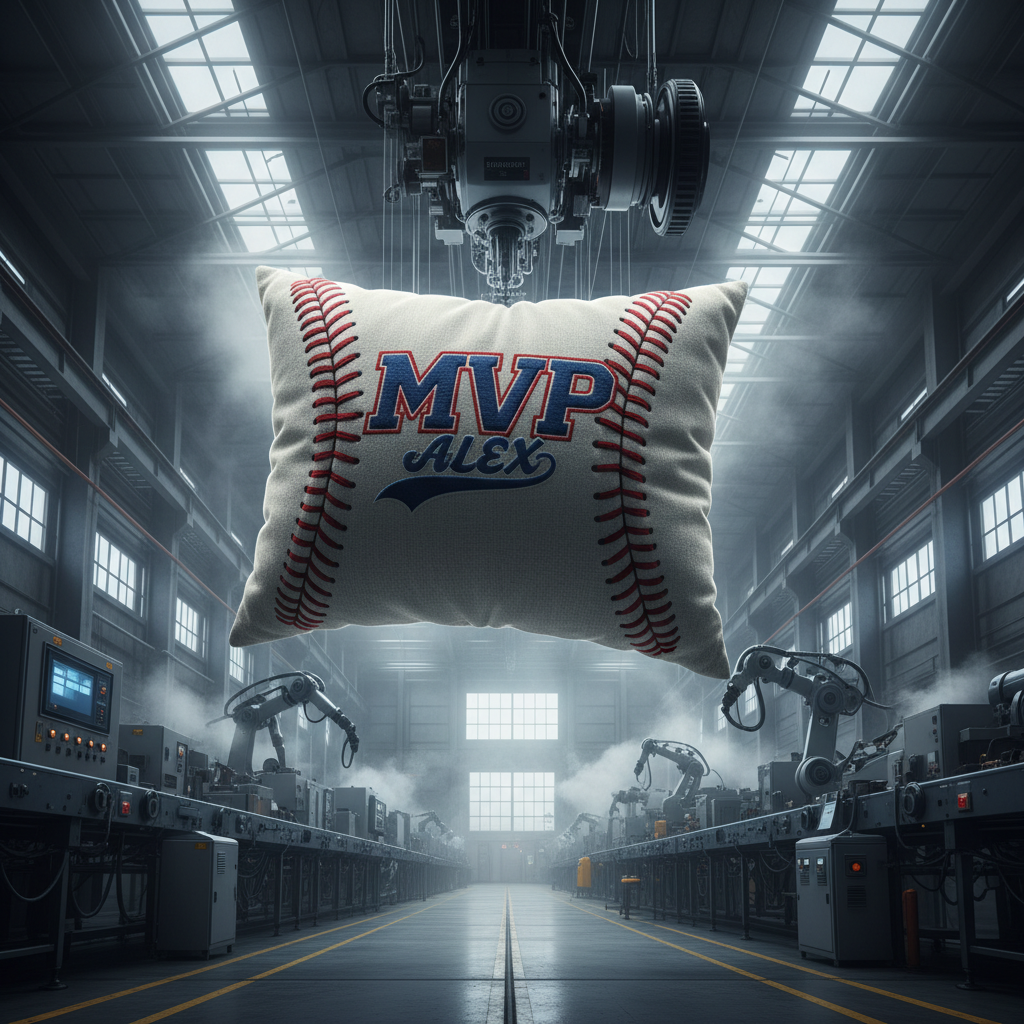
At their core, custom plush toys manufacturers are specialized producers who design and create stuffed toys tailored to the exact specifications of clients. Unlike generic manufacturers, these companies work closely with clients to incorporate unique features—be it logos, colors, character designs, or eco-conscious materials.
These manufacturers straddle craftsmanship and industrial expertise. They blend textile sourcing, embroidery, pattern-making, and rigorous safety testing to meet not just aesthetic goals but also international toy safety standards (think: ASTM F963 in the U.S., EN71 in Europe).
The connection to broader industry needs is interesting too. Beyond toys, custom plush items often find roles in advertising, education, meaningful cause campaigns, and even therapeutic contexts such as comfort objects in hospitals. So, their function isn’t just playful but often deeply purposeful.
Key Components of Custom Plush Toys Manufacturing
1. Material Quality and Safety
Choosing hypoallergenic, durable, and soft fabrics is essential. Many manufacturers now use organic cotton, recycled polyester, or bamboo blends to meet consumer preference for green products. Safety testing ensures toys don’t pose choking hazards or contain toxic dyes.
2. Design Flexibility
This is where creativity meets engineering. A good manufacturer offers diverse color palettes, various stuffing options (from traditional fibers to eco pellets), and detailed embroidery or printing capabilities to capture complex logos or character features.
3. Scalability and Production Time
Customization typically slows production, but top manufacturers optimize workflow with digital modeling and sample prototyping. They balance batch size with turn-around times to meet urgent marketing campaigns without sacrificing quality.
4. Cost Efficiency
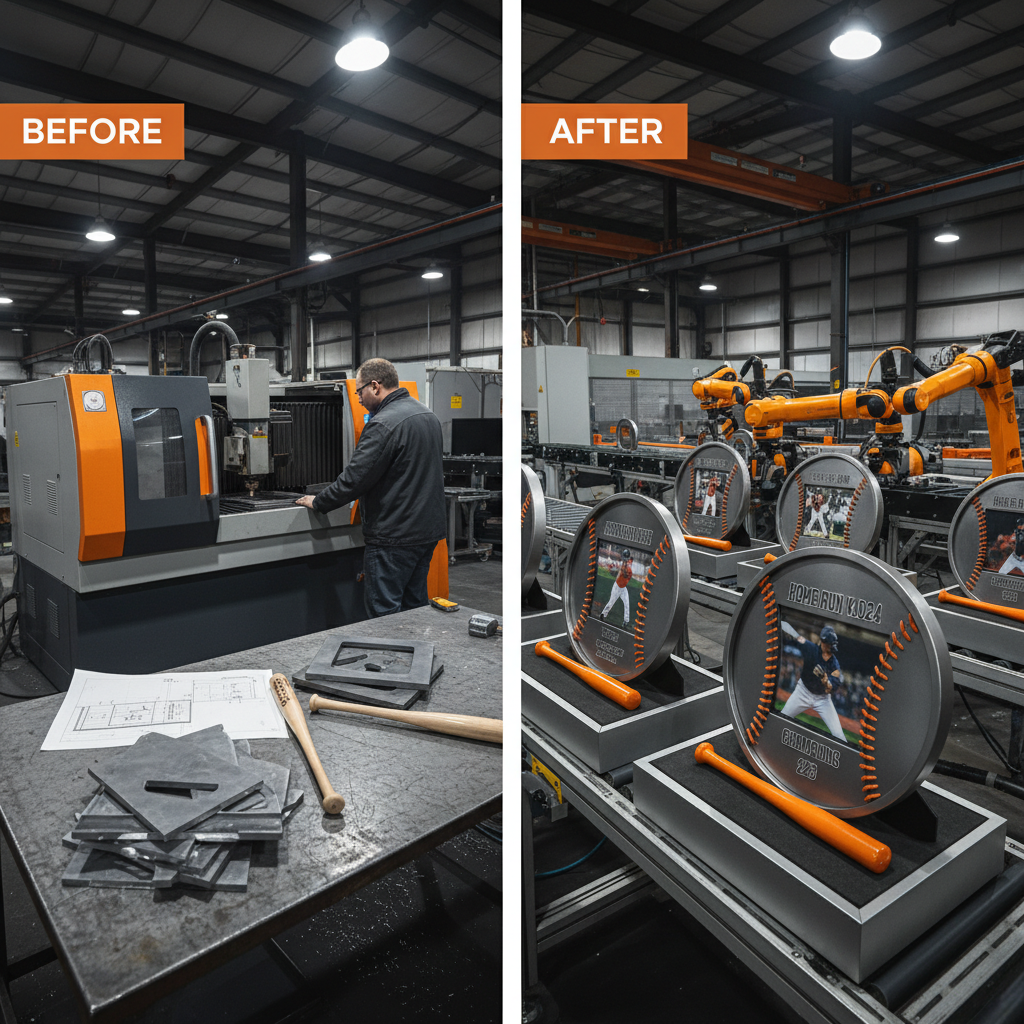
While custom plush toys cost more than mass-produced items, manufacturers that streamline materials sourcing and leverage automation reduce per-unit cost, making custom plush toys accessible for small businesses, nonprofits, and events.
5. Sustainability Practices
Eco-friendly stuffing, natural dyes, washable materials, and low-waste manufacturing methods help companies align with global environmental goals. It’s not just a trend but a critical factor shaping buyer trust over time.
Product Specification: An Example of Custom Plush Toy Features
| Feature | Specification | Benefit |
|---|---|---|
| Materials | Organic cotton/ Recycled polyester | Soft, safe, eco-friendly |
| Size Options | 10cm to 50cm height | Fits varied display and usability needs |
| Custom Embroidery | Logos, characters, text | Brands identity made tangible |
| Stuffing | Polyester fiber or biodegradable pellets | Huggable feel, eco options |
| Safety Certifications | ASTM F963, EN71 | Peace of mind for users and retailers |
Global Applications & Real-World Use Cases
Custom plush toys manufacturers serve a surprisingly wide variety of sectors and regions. In North America and Europe, they cater mostly to corporate clients who use plush toys as promotional giveaways or client gifts, especially during holidays or launch events.
Oddly enough, in Asia-Pacific, there’s a thriving market for custom character toys tied to digital games and anime. Here, manufacturers blend tradition with high-tech design to meet very discerning fan communities.
On the humanitarian side, custom plush items often become comforting giveaways for children in hospitals, disaster zones, or refugee camps—soft companions that add a sense of familiar safety amid turmoil.
In education, plush toys customized as mascots or historical characters help engage students in tactile learning experiences.
Mini takeaway: The relevance of custom plush toys manufacturers is quite broad—they are not only toy-makers but cultural connectors and emotional allies.
Advantages & Tangible Long-Term Values
- Customization builds brand loyalty. A plush toy embedded with logos or mascots creates a physical presence that customers remember.
- Emotional connection. Plush toys evoke comfort and safety, often treasured as keepsakes years beyond initial use.
- Eco-conscious production. Sustainable materials and ethical sourcing improve corporate image and meet increasingly militant consumer demands.
- Flexibility. The ability to switch designs quickly aids businesses with evolving marketing campaigns.
- Trade compliance. Adherence to toy safety standards reduces liability and broadens markets.
Future Trends & Innovations in Plush Toy Manufacturing
Looking ahead, automation combined with AI-driven design tools promises quicker and more affordable custom plush production. There are experiments with biodegradable stuffing materials and recyclable fabrics, aiming to curb plastic waste that often accompanies conventional toys.
Digital transformation also enables virtual product approvals, letting clients see 3D simulations before manufacturing begins—saving time, reducing errors.
Additionally, augmented reality (AR) integrations are emerging where plush toys interact with apps, offering hybrid physical-virtual play experiences that may become mainstream very soon.
Challenges & How Manufacturers are Tackling Them
One big sticking point is balancing customization with cost and delivery speed—a classic production dilemma. Expert manufacturers now deploy modular design methods that reuse core patterns while tweaking surface details to keep costs down.
Supply chain disruptions remain unpredictable, especially for specialty eco-materials, but companies increase resilience by sourcing regionally and maintaining strategic stockpiles.
Quality control is another challenge; manufacturers invest in in-line inspection technology and offer sample prototypes well before mass runs to avoid costly mistakes.
Vendor Comparison: Leading Custom Plush Toy Manufacturers
| Manufacturer | Customization Options | Price per Unit | Eco-Friendly Practices | Lead Time |
|---|---|---|---|---|
| PlushWorks Inc. | High (embroideries & prints) | $8–$15 | Organic fabrics, recycled stuffing | 4–6 weeks |
| SoftPlay Custom | Medium (print only) | $6–$12 | Partial recycled materials | 3–5 weeks |
| EcoHuggables | High (eco materials, dye-free) | $10–$18 | Fully sustainable | 5–7 weeks |
FAQ: Frequently Asked Questions About Custom Plush Toys Manufacturers
- Q1: How long does it usually take to produce custom plush toys?
- A: Production time generally ranges from 3 to 7 weeks depending on complexity, order size, and customization level. Early sample approval can shorten delays.
- Q2: Can custom plush toys be made from sustainable materials?
- A: Absolutely. Many manufacturers now specialize in organic cotton and recycled fibers to create eco-friendly plush toys compliant with global safety and environmental standards.
- Q3: Are there minimum order quantities?
- A: Most custom plush toy manufacturers require minimum orders typically between 100 to 500 units, mainly due to setup costs such as mold creation and embroidery.
- Q4: What quality certifications should I look for?
- A: Look for ASTM F963 compliance (USA), EN71 (Europe), and any documentation proving non-toxic materials. Certifications provide peace of mind, especially when selling to children.
- Q5: How can I ensure my custom design will meet my expectations?
- A: Request detailed prototypes or 3D digital models before full production. Clear communication with the manufacturer, including providing detailed artwork files, helps align expectations.
Conclusion: The Lasting Charm and Value of Custom Plush Toys
Custom plush toys manufacturers serve as a fascinating intersection of creativity, commerce, and conscience—they deliver products that are as meaningful as they are fun. From personalized marketing tools to comforting companions, their offerings come with layers of value: emotional resonance, brand loyalty, environmental responsibility, and quality assurance.
If you’re considering custom plush toys for your business, cause, or personal project, it’s worth investing time to choose a manufacturer who ticks all the boxes on quality, customization, and sustainability. Visit our website: https://www.thegeniusgifts.com to explore industry-leading manufacturers and learn more about how custom plush toys can bring your vision to life.
Oddly enough, a simple plush toy can carry a world of meaning—and with the right partners, that meaning shines through in every stitch.
References:
1. Statista, “Global stuffed toys market size,” 2023.
2. ASTM International, “ASTM F963 Standard Consumer Safety Specification for Toy Safety,” 2022.
3. ISO, “Textiles — Environmental standards and regulations,” 2023.