Custom Promotional Baseball Caps: Embroidery, Low MOQ
A Field Note on Branded Headwear: Why Custom Promotional Baseball Caps Still Work
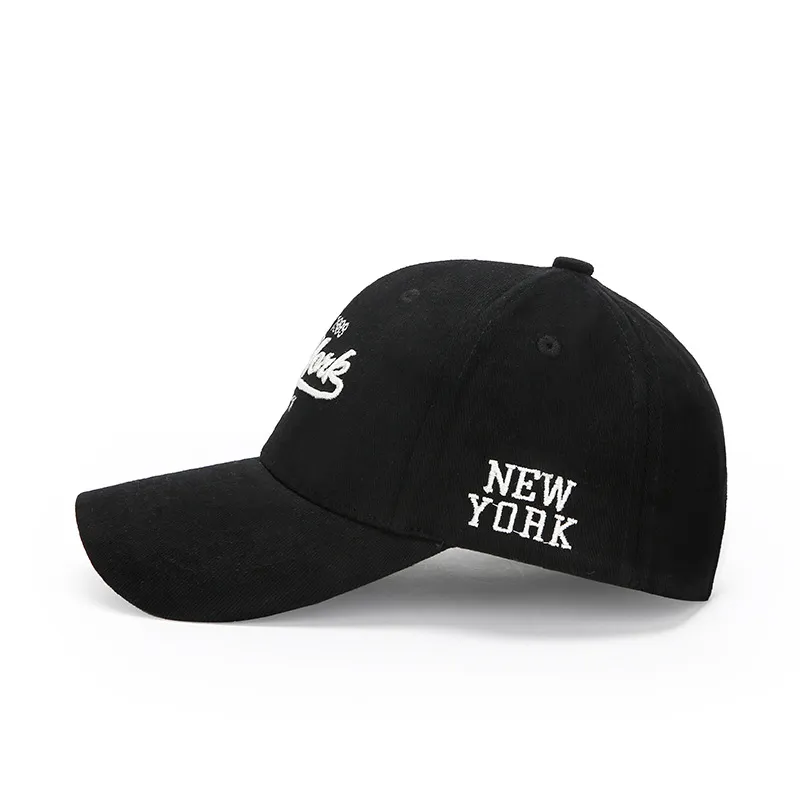
Every trade show I walk, I see the same pattern: people grab pens, but they wear caps. Not just any caps—clean embroidery, matched Pantones, low-profile crowns that don’t scream “giveaway.” That’s where Custom Promotional Baseball Caps punch above their weight: mobile branding that sits at eye level and gets photographed, a lot.
What’s trending right now
- Sustainable fabrics: recycled PET twill and organic cotton are gaining share, sometimes quietly.
- Mixed-tech decoration: 3D puff embroidery paired with subtle woven labels. Looks premium, costs less than you’d think.
- Micro-MOQs for pilots—brands test 100–300 pcs, then scale if it hits.
Quick spec snapshot
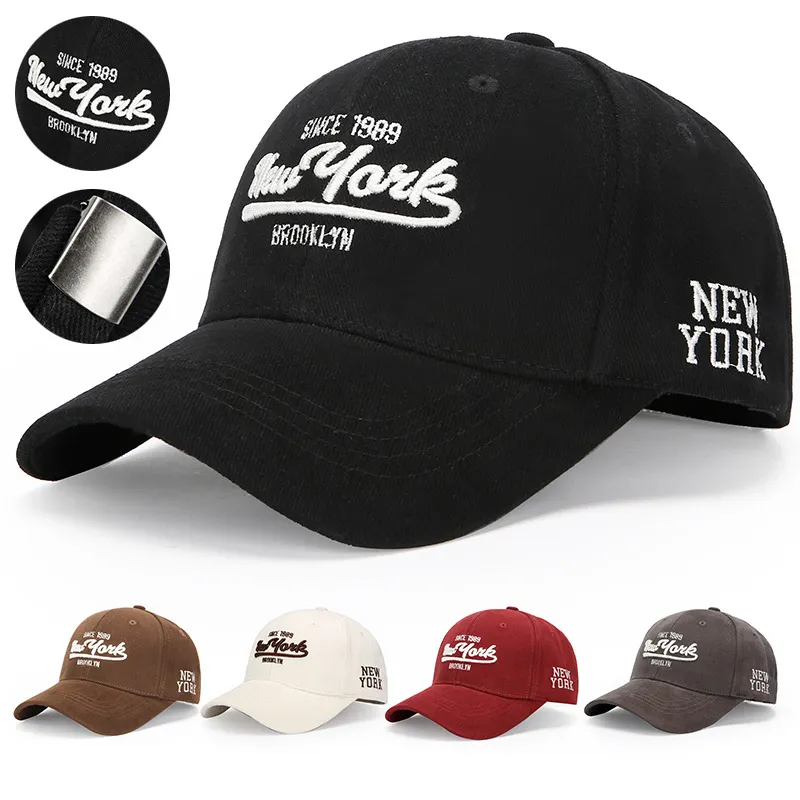
| Parameter | Typical Options (≈ values; real-world use may vary) |
|---|---|
| Fabrics | 100% cotton twill 240–280 gsm; RPET twill 180–220 gsm; nylon taslan for performance |
| Panels / Profile | 5 or 6-panel; low/mid crown; structured or unstructured |
| Visor | Pre-curved PE insert; stitching: 6–8 rows |
| Closure | Metal buckle, Velcro, snapback, fabric strap |
| Decoration | Flat/3D puff embroidery, patch, silicone, screen print, heat transfer |
| Color Standards | Pantone TPX/TCX or C/U matching ±1–2 shades (visual) |
| Service Life | ≈2–3 years under normal wear; 500+ wears reported by many customers |
Process, testing, and the boring (important) stuff
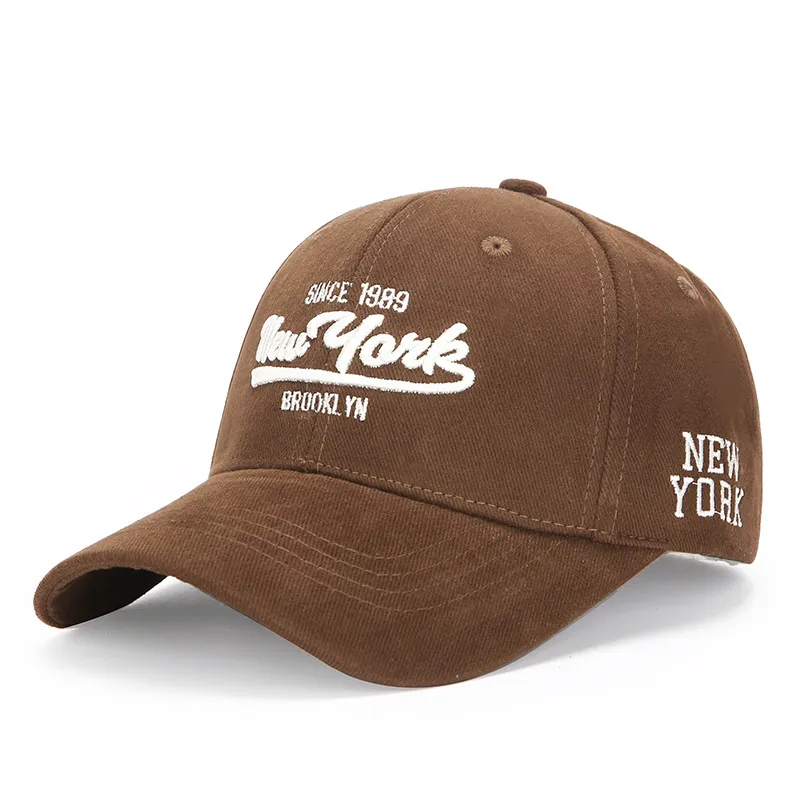
From Wuhan, Hubei, China (3F, Building 6, 67 Chuangye Road, Zhuankou ETDZ), the team runs a tidy flow: brief → CAD mockups → fabric sourcing → panel cutting → embroidery/printing → visor lamination → stitching/eyelets → wash/steam → QC → packaging.
Testing-wise, you’ll see practical checkpoints: colorfastness to washing per ISO 105-C06 and perspiration per ISO 105-E04 (typical grade 4–5); lightfastness AATCC 16 (≈ grade 3–4 for brights, better for darks); seam strength ASTM D1683; UPF check against EN 13758 for performance caps. Compliance: OEKO-TEX Standard 100, REACH, and if you’re in the U.S., CPSIA on request. Results are usually “internal lab—typical lot,” which is normal for apparel.
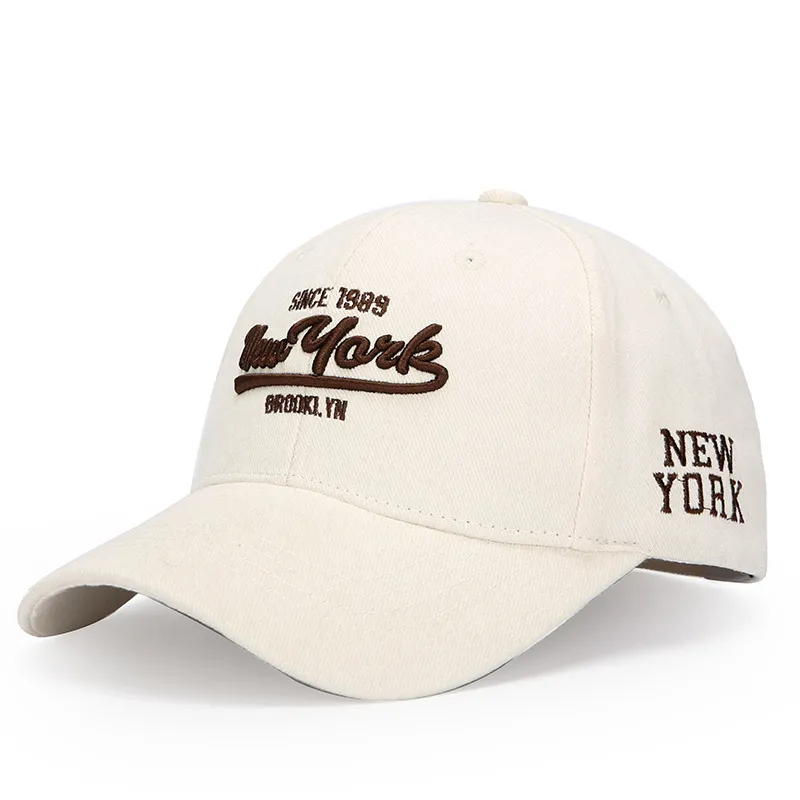
Where they’re used (and what people say)
We see Custom Promotional Baseball Caps succeed at team events, school orientation weeks, tourism memorabilia, trade show lure (still undefeated), client gifting, and employee incentives. A quick trio of mini-cases:
- University intake: 5,000 caps; QR in visor label drove 14% microsite visits in week one.
- Chain retailer: seasonal drop in RPET; 8% higher sell-through than cotton, surprisingly.
- Travel company: guide uniforms—sun protection + brand cohesion; complaints about sizing dropped after adding snapbacks.
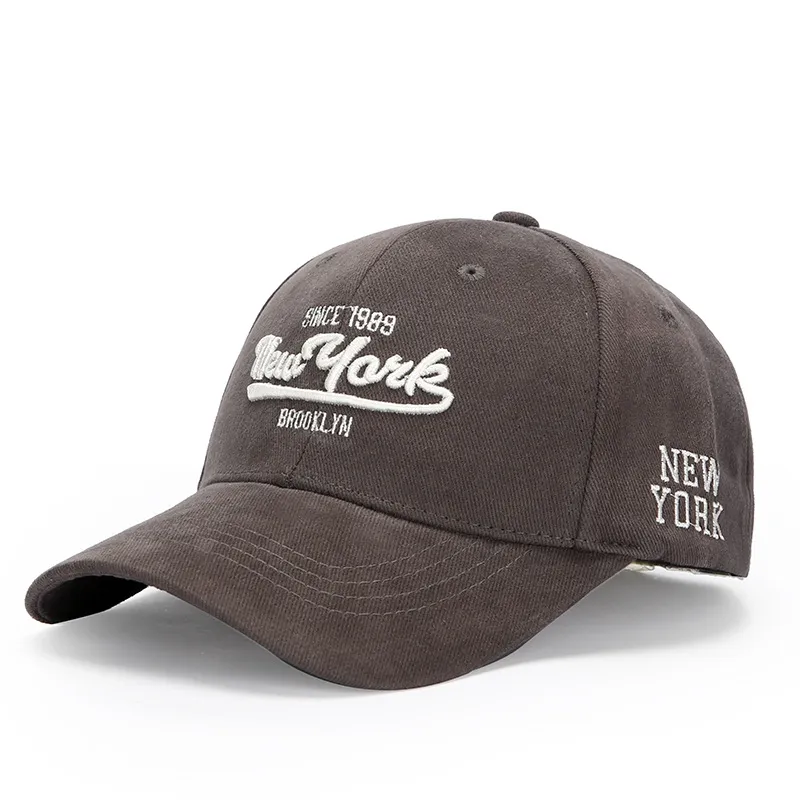
Vendor snapshot: how this supplier stacks up
| Vendor | MOQ | Lead Time | Customization Depth | Certs | Price |
|---|---|---|---|---|---|
| TheGeniusGifts (China) | ≈100–300 | 15–25 days after proof | High: fabric, panels, closures, mixed-tech deco | OEKO-TEX, REACH, CPSIA (on req.) | $$ (value) |
| Generic Importer | 500+ | 25–40 days | Medium | Varies | $ |
| Local Print Shop | 24–72 | 3–7 days | Low: print/embroidery on stock | Local compliance | $$$ |
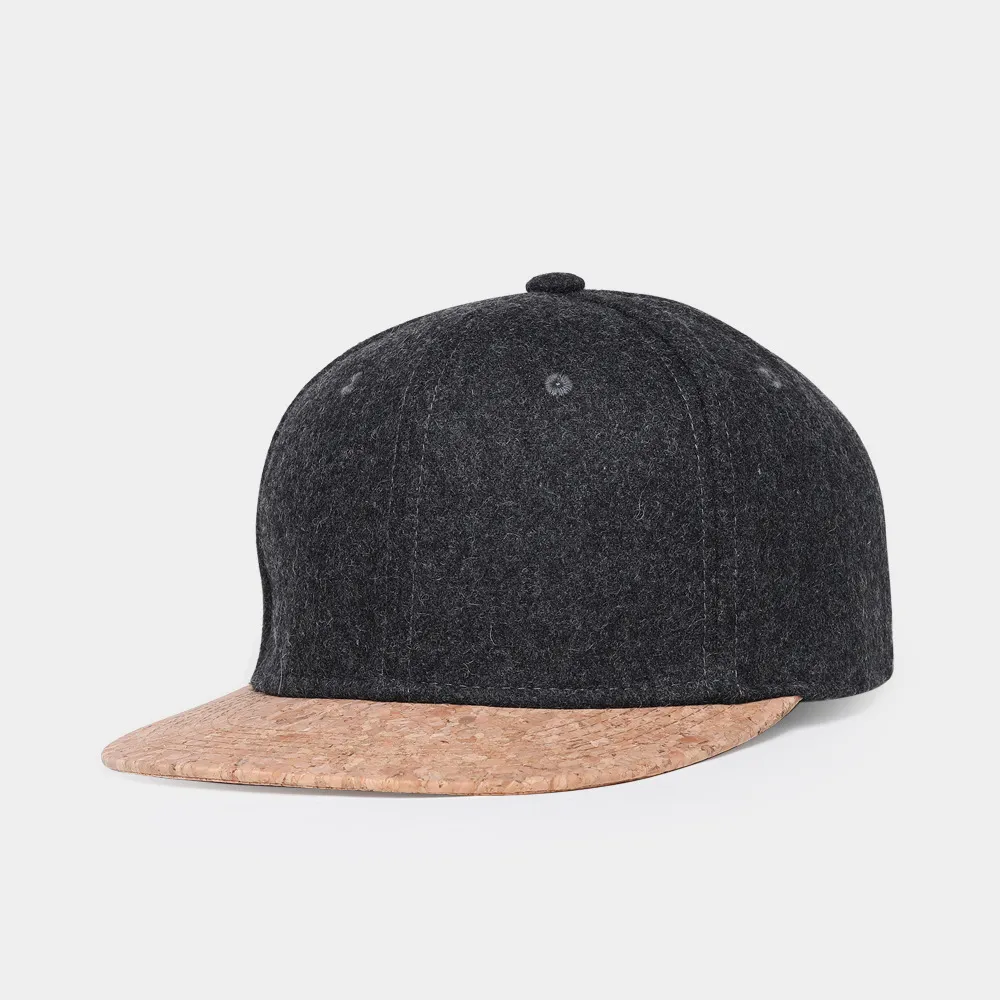
Customization checklist (the bits that matter)
- Logo method: flat vs. 3D puff embroidery; applique patches for high detail.
- Color: Pantone-matched fabrics or dyed-to-match threads.
- Fit: low/mid crown, structured vs. dad-hat vibes; sweatband width for comfort.
- Packaging: polybag, recycled kraft, hangtag with QR (promo gold, to be honest).
If you’ve been burned by wonky samples, ask for a pre-production proof and a quick wash/abrasion test video. It’s standard now, and it saves headaches. For bulk programs, many customers say reorder variance is low when Pantones and stitch counts are locked upfront—common sense, but worth repeating.
Sources & Standards
- ISO 105-C06/E04 Color Fastness Methods – iso.org
- AATCC TM16 Colorfastness to Light – aatcc.org
- OEKO-TEX Standard 100 – oeko-tex.com
- EU REACH Regulation (EC) No 1907/2006 – echa.europa.eu
- EN 13758-2 UPF Protective Clothing – en-standard.eu
- ASTM D1683 Seam Strength – astm.org