Custom Uniforms: Elevate Your Brand with Professional Design
Driving Brand Identity: The Strategic Importance of Custom Uniforms in B2B Environments
In the competitive landscape of modern business, a cohesive brand identity is paramount. Beyond logos and marketing collateral, the visual representation of employees plays a crucial role in shaping customer perception and fostering internal cohesion. This is where Custom Uniforms emerge as a strategic asset, extending an organization's brand ethos to its frontline. For B2B decision-makers, understanding the intricacies of uniform design, material science, and vendor capabilities is essential for optimizing this investment.
Current industry trends highlight a significant shift from purely functional attire to uniforms that blend aesthetics, comfort, sustainability, and technological integration. Businesses are increasingly seeking solutions that not only project professionalism but also enhance employee well-being and align with corporate social responsibility (CSR) initiatives. Demand is rising for eco-friendly fabrics, ergonomic designs, and smart textiles capable of integrating with wearable technology for safety or communication. Furthermore, the ability to rapidly adapt designs to evolving brand guidelines or seasonal collections provides a competitive edge, requiring flexible and responsive manufacturing partners.
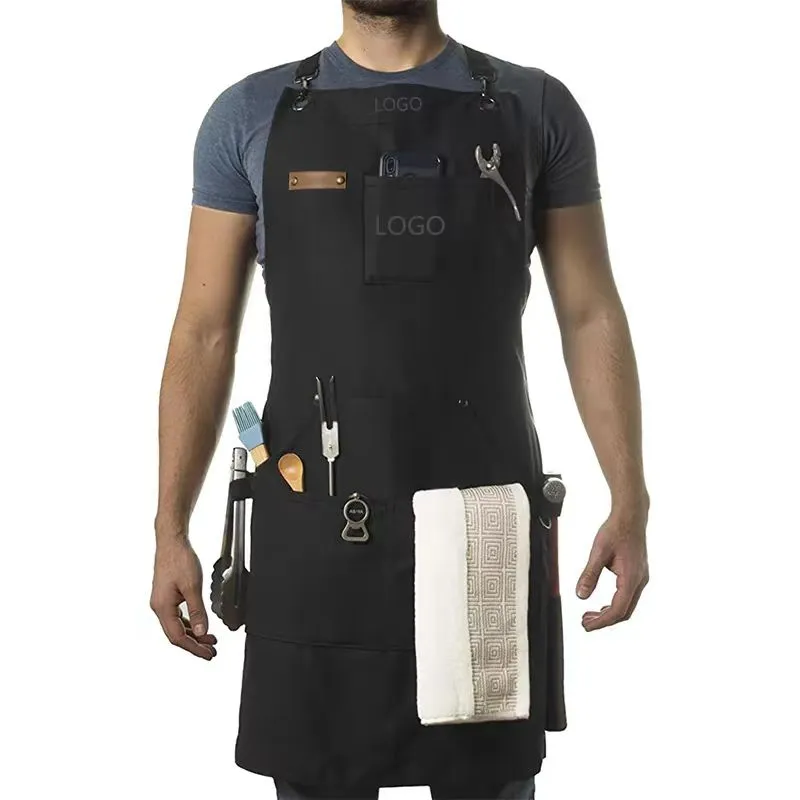
This comprehensive guide delves into the technical specifications, application scenarios, and strategic advantages of implementing tailored uniform programs, offering insights crucial for informed procurement decisions.
The Precision Engineering Behind Custom Uniforms: A Process Flow
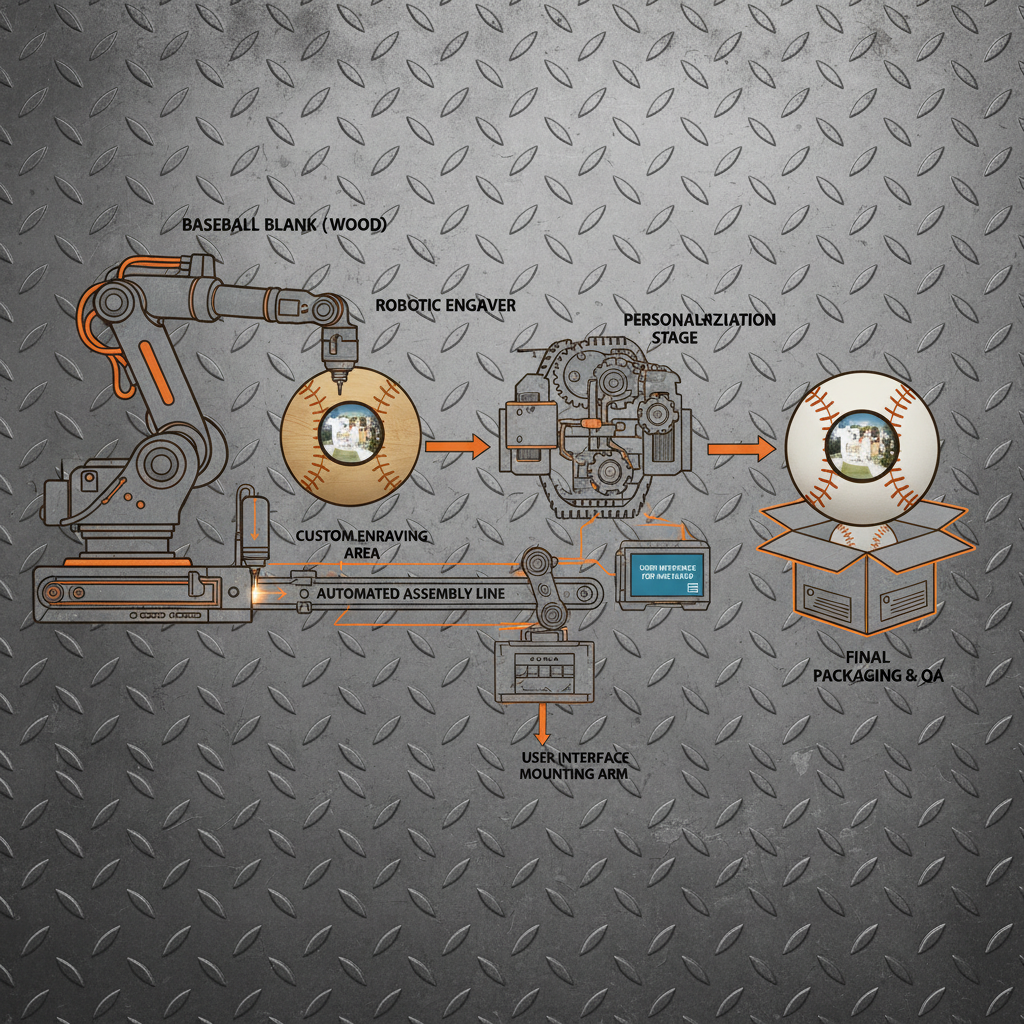
The creation of high-quality Custom Uniforms is a multi-stage process, demanding precision from conception to final delivery. This detailed process ensures durability, comfort, and consistent brand representation across all garments.
Manufacturing Process Steps:
1. Design & Consultation
Initial client brief, conceptual design, mood board creation, and digital mock-ups. Focus on brand guidelines, functional requirements, and wearer ergonomics.
2. Material Sourcing & Selection
Selection of appropriate fabrics (e.g., poly-cotton blends, 100% cotton, performance synthetics like polyester or nylon with moisture-wicking properties, specialized anti-static or flame-resistant materials) based on industry, climate, and job function. Emphasis on compliance with standards like OEKO-TEX for textile safety.
3. Pattern Making & Grading
Development of precise patterns from approved designs. Digital grading ensures accurate sizing across a full range, adhering to industry standard sizing charts (e.g., ASTM D6240 for uniform sizing).
4. Cutting
Automated CNC cutting machines are utilized for high precision and material efficiency, minimizing waste during fabric cutting.
5. Embellishment (Branding)
Application of logos and branding via embroidery (computerized multi-head machines), screen printing, heat transfer, or dye sublimation. Techniques are chosen based on fabric, design complexity, and required durability.
6. Stitching & Assembly
Garment components are assembled using industrial sewing machines, with specific stitch types (e.g., lockstitch, chain stitch, overlock) chosen for seam strength and finish quality. Reinforcement at stress points is critical for longevity.
7. Quality Control & Finishing
Multi-point inspection for fabric defects, stitching accuracy, color consistency, and embellishment quality. Testing includes colorfastness (AATCC Test Method), shrinkage (ISO 6330), and tear/tensile strength (ASTM D5034, D1424). Garments are pressed, folded, and individually packed.
Target Industries & Advantages:
Custom Uniforms offer distinct advantages across a diverse range of B2B sectors:
- Petrochemical & Energy: Flame-resistant (FR) and anti-static fabrics for safety, adhering to standards like NFPA 2112. Ensures worker protection in hazardous environments.
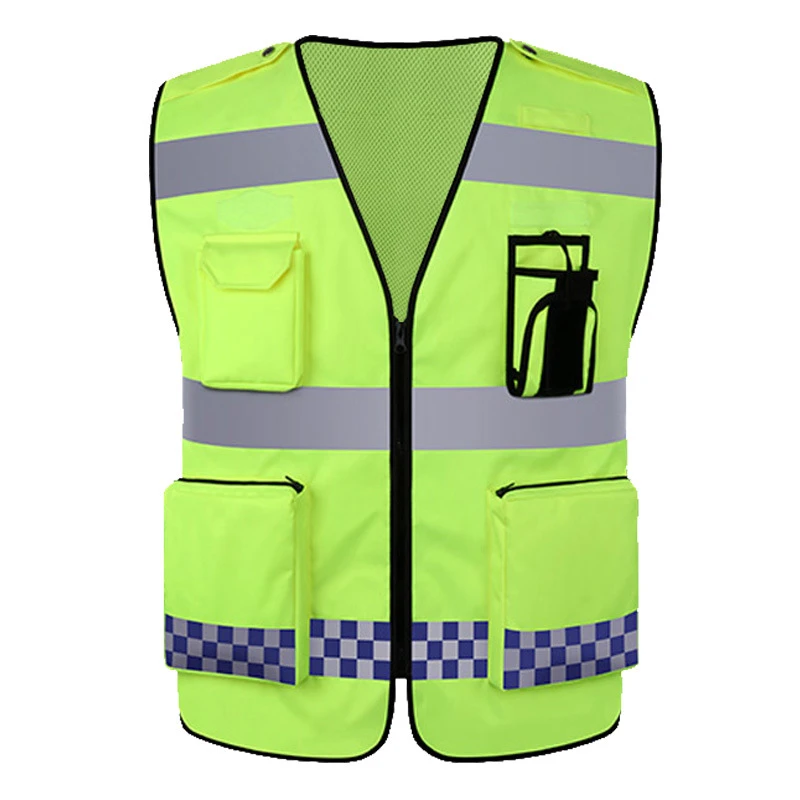
- Metallurgy & Heavy Industry: Durable, abrasion-resistant materials; high-visibility elements for safety. Uniforms designed to withstand harsh working conditions and provide extended service life.
- Healthcare & Pharmaceuticals: Anti-microbial, fluid-resistant, and comfortable fabrics. Compliance with HIPAA and infection control protocols. Professional appearance while ensuring hygiene.
- Water Supply & Drainage: Water-resistant and quick-drying materials; high-visibility components. Enhances worker safety and comfort in demanding outdoor conditions.
- Logistics & Transportation: Reflective safety elements (ANSI/ISEA 107-compliant), comfortable and flexible materials for mobility. Improves visibility and operational efficiency.
- Hospitality & Food Service: Stain-resistant, easy-care fabrics; professional and elegant designs. Projects a clean, inviting image while being practical for high-traffic environments.
Typical service life for a well-maintained industrial uniform ranges from 18 to 36 months, depending on material, frequency of use, and laundry protocols. This robust manufacturing process underscores the commitment to delivering not just clothing, but a critical component of operational efficiency and brand integrity.
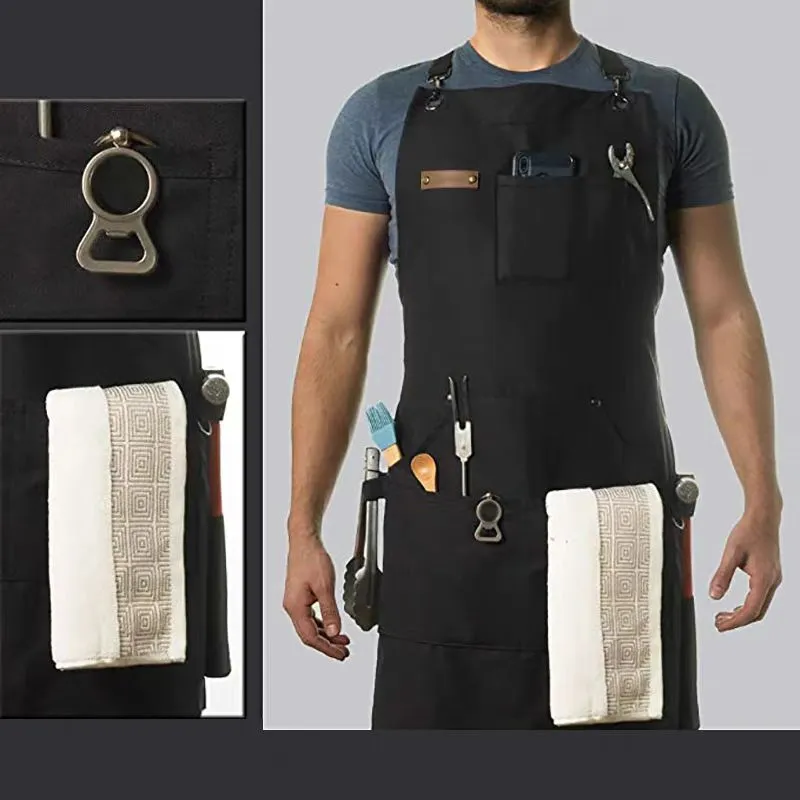
Technical Specifications and Material Parameters for Custom Uniforms
Understanding the technical specifications of fabrics and construction methods is crucial for B2B buyers when selecting Custom Uniforms. These parameters directly impact the uniform's performance, durability, comfort, and suitability for specific environments.
Key Fabric and Garment Specifications:
| Parameter | Description | Typical Values / Standards |
|---|---|---|
| Fabric Composition | Primary fibers (e.g., cotton, polyester, rayon, blends) and their percentages. | Poly-Cotton (65/35, 50/50), 100% Cotton, 100% Polyester. Specialized blends for specific properties. |
| Fabric Weight (GSM) | Grams per Square Meter, indicating density and durability. | 150-300 GSM for shirts; 200-400 GSM for trousers/jackets. Higher for heavy-duty. |
| Colorfastness | Resistance to fading or bleeding due to washing, light, or rubbing. | Washing: Grade 4-5 (AATCC 61); Light: Grade 4+ (ISO 105-B02). |
| Shrinkage Resistance | Percentage of dimensional change after washing. | Max 3% (ISO 6330), ensuring consistent fit over time. |
| Tensile Strength | Resistance to breaking under tension (ASTM D5034). | Warp: >250N; Weft: >200N for industrial garments. |
| Tear Resistance | Resistance to tearing once an initial cut is made (ASTM D1424). | Warp: >25N; Weft: >20N for industrial use. |
| Abrasion Resistance | Ability to withstand rubbing and friction without deterioration. | >20,000 cycles (Martindale Test, ISO 12947-2) for medium-duty. |
| Specialized Treatments | Flame-resistant (FR), water-repellent, anti-microbial, UV protection. | NFPA 2112, EN ISO 11612 (FR); AATCC 22 (Water Repellency). |
These specifications ensure that Custom Uniforms not only look professional but also perform under demanding conditions, providing safety and comfort to employees while maintaining brand integrity over time. Partnering with suppliers knowledgeable in these technical details is critical for long-term satisfaction and compliance.
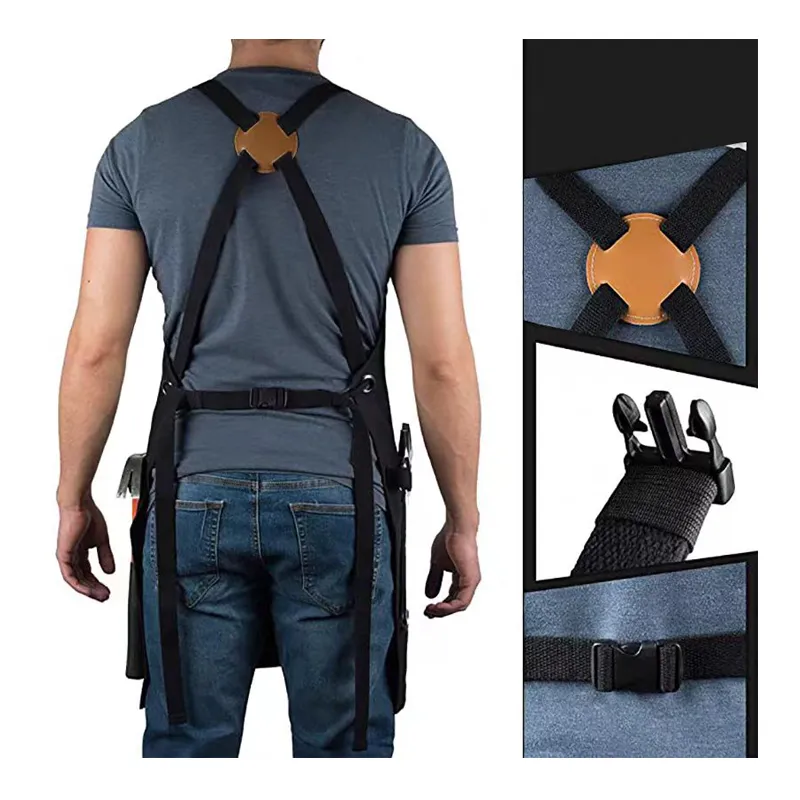
Versatile Application Scenarios for Custom Uniforms
The strategic deployment of Custom Uniforms extends across nearly every B2B sector, each with unique requirements and advantages. Tailored uniforms address specific needs from brand enhancement to operational safety.
Typical Application Environments:
- Corporate & Professional Services: For offices, legal firms, financial institutions. Focus on sophisticated fabrics, contemporary cuts, and subtle branding. Advantages include projecting authority, trustworthiness, and a unified corporate image, which can significantly influence client perceptions.
- Industrial & Manufacturing: Factories, warehouses, construction sites. Requirements include high durability, resistance to chemicals/abrasion, and often high-visibility features or flame-retardant properties. Advantages center on enhanced worker safety, compliance with occupational health regulations (e.g., OSHA), and increased team identification.
- Healthcare & Medical: Hospitals, clinics, laboratories. Demands anti-microbial fabrics, ease of sterilization, and comfortable designs suitable for long shifts. Key advantages are infection control, a sterile appearance, and fostering patient trust through a professional and hygienic staff presentation.
- Hospitality & Food Service: Hotels, restaurants, catering services. Focus on elegant designs, stain resistance, and comfort for dynamic roles. Benefits include creating a premium guest experience, reinforcing brand themes, and simplifying staff identification for both guests and management.
- Retail & Customer Service: Boutiques, department stores, call centers. Emphasizes modern aesthetics, comfort, and brand-consistent colors. Advantages involve creating an approachable yet professional appearance that aligns with the store's image, improving customer recognition and service consistency.
- Logistics & Field Services: Delivery personnel, technicians, maintenance crews. Requires durable, weather-resistant materials with ample storage and high visibility for outdoor or mobile roles. Advantages are enhanced safety in diverse conditions, practical functionality, and consistent brand exposure on the move.
In each of these scenarios, the ability to specify materials, design elements, and functional features tailored to the job function and environmental conditions yields significant operational efficiencies and reinforces brand values. The investment in properly designed custom uniforms translates directly into improved safety, employee morale, and public perception.
Technical Advantages and ROI of Custom Uniforms
Investing in high-quality Custom Uniforms offers tangible technical and operational advantages that contribute significantly to a business's return on investment (ROI). These benefits extend beyond mere aesthetics, impacting safety, efficiency, and brand equity.
Key Advantages:
- Enhanced Safety and Compliance: For industries like petrochemical, manufacturing, and construction, uniforms can be engineered with specific safety features. This includes flame-resistant (FR) fabrics conforming to NFPA 2112, high-visibility materials compliant with ANSI/ISEA 107, anti-static properties (EN 1149), and chemical splash resistance. These features directly mitigate workplace hazards, reduce incident rates, and ensure regulatory compliance, thereby minimizing potential liabilities and insurance costs.
- Optimized Durability and Longevity: Unlike off-the-rack garments, custom uniforms are designed for industrial laundering and repeated wear in demanding environments. Through the selection of high-denier fabrics, reinforced stitching at stress points (e.g., bar tacking, double-stitched seams), and colorfast dyes, uniforms maintain their integrity, appearance, and protective qualities over a longer service life. This reduces replacement frequency and overall procurement costs.
- Improved Employee Comfort and Performance: Ergonomic design, tailored fits, and the use of performance fabrics (e.g., moisture-wicking, breathable, stretch materials) significantly enhance wearer comfort. This translates to reduced fatigue, improved range of motion, and higher job satisfaction, directly impacting productivity and employee retention. Specialized fabrics can also regulate body temperature, crucial for outdoor or extreme indoor conditions.
- Stronger Brand Identity and Professionalism: A unified, professional appearance reinforces brand messaging and establishes a credible image with clients and the public. Custom designs, corporate colors, and prominently displayed logos create a memorable visual identity. This consistency builds trust, distinguishes the brand from competitors, and contributes to market recognition, acting as a continuous marketing tool.
- Cost Efficiency Through Streamlined Procurement: While the initial investment might seem higher, the long-term cost benefits are substantial. Custom uniform programs offer controlled quality, consistent supply, and predictable budgeting. Centralized procurement reduces the administrative burden, ensures uniform standards, and can lead to bulk purchase savings. The extended lifespan of quality uniforms further amortizes costs.
The strategic deployment of custom uniforms is not merely an expense but an investment that yields measurable returns in safety, operational efficiency, and brand equity, making them indispensable for forward-thinking B2B organizations.
Vendor Comparison for Custom Uniforms Solutions
Choosing the right supplier for Custom Uniforms is a critical decision that impacts quality, cost, and long-term satisfaction. A thorough vendor comparison based on technical capabilities and service offerings is essential.
Key Vendor Comparison Parameters:
| Criteria | Premium Vendor Capabilities | Standard Vendor Capabilities |
|---|---|---|
| Design & R&D | In-house design team, 3D prototyping, textile engineers, trend forecasting. | Basic design services, template-based customization. |
| Material Range & Sourcing | Extensive portfolio of technical fabrics (FR, anti-static, moisture-wicking), sustainable options, certified suppliers (OEKO-TEX, GOTS). | Standard poly-cotton, basic polyesters. Limited specialized fabrics. |
| Manufacturing Process | Advanced CNC cutting, automated stitching, integrated quality control (ISO 9001, AQL standards). Vertical integration. | Manual or semi-automated processes, less rigorous QC. |
| Customization Options | Full bespoke design, extensive color matching, diverse branding techniques (3D embroidery, specialized prints), personalized sizing programs. | Standard embroidery/printing, limited color palette, off-the-shelf sizing. |
| Lead Times & Fulfillment | Optimized supply chain, shorter lead times for large orders, online order tracking, warehousing/distribution services. | Longer lead times, less flexible order fulfillment. |
| Certifications & Compliance | ISO 9001 (Quality), ISO 14001 (Environmental), OEKO-TEX, WRAP (Ethical Manufacturing), specific product safety standards (NFPA, ANSI). | May have basic quality checks, fewer industry-specific certifications. |
| After-Sales Support | Dedicated account managers, reordering platforms, comprehensive warranty, repair/alteration services. | Limited post-purchase support. |
Evaluating potential partners against these benchmarks ensures that the chosen vendor aligns with the organization's quality standards, compliance needs, and long-term strategic objectives for its custom uniform program. A higher initial investment in a premium vendor often results in superior product quality, better service life, and reduced overall cost of ownership.
Tailored Solutions and Customization for Custom Uniforms
The true value of Custom Uniforms lies in their adaptability to specific organizational needs. Tailored solutions go beyond simply adding a logo; they encompass a holistic approach to design, functionality, and fit.
Key Customization Options:
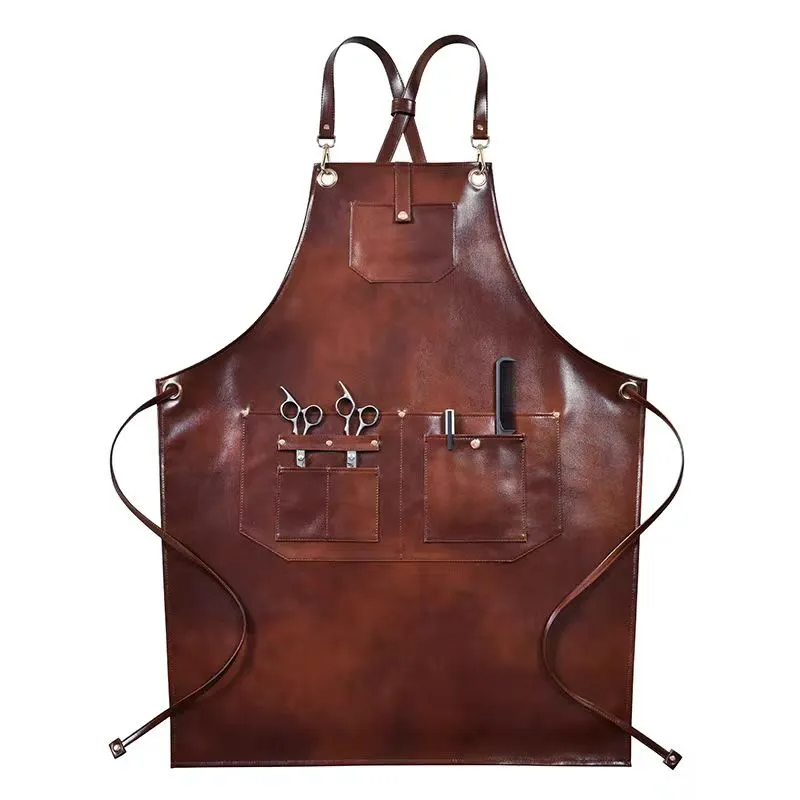
- Design Consultation & Bespoke Patterns: Collaborative design process starting from conceptualization, utilizing CAD software for pattern creation. This includes defining necklines, sleeve types, pocket configurations, and overall silhouette to match brand aesthetic and functional requirements.
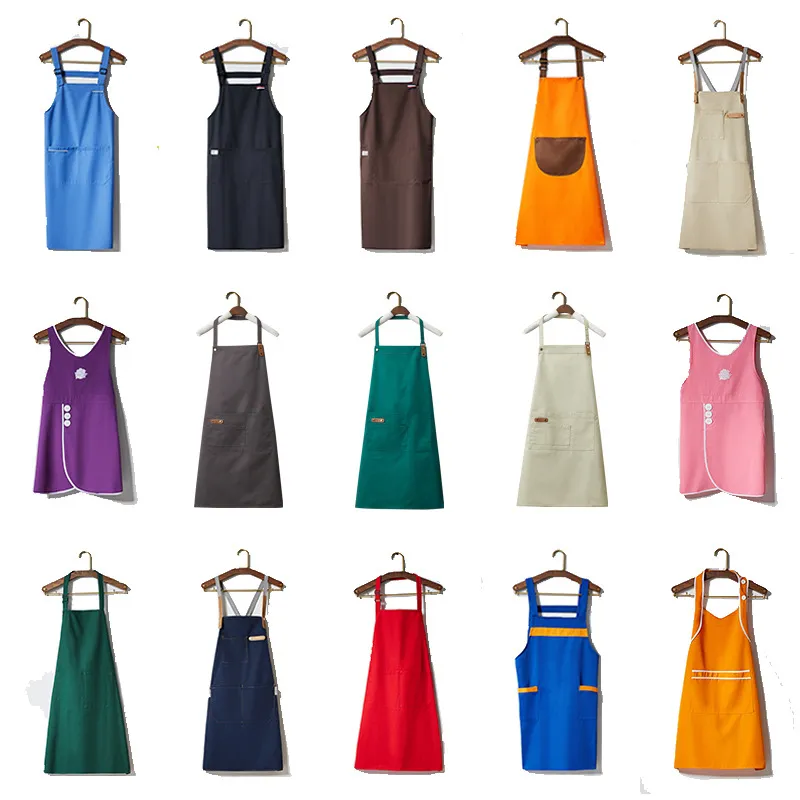
- Fabric & Material Selection: Choosing from a diverse range of materials—from sustainable organic cottons and recycled polyesters to specialized blends offering specific performance attributes like stretch, moisture-wicking, anti-UV, anti-bacterial, or inherent flame resistance. Color matching to corporate PMS codes is also a standard offering.
- Branding & Embellishment Techniques:
- High-Density Embroidery: For durable, professional logos on various fabric weights.
- Screen Printing: Ideal for larger logos, vibrant colors, and cost-effective batch production.
- Heat Transfer (Vinyl, Digital): Suitable for complex graphics, multi-color designs, and smaller runs.
- Sublimation Printing: For all-over prints on polyester fabrics, offering vibrant, fade-resistant designs integrated into the fabric.
- Woven Patches/Badges: For intricate designs or a more traditional, tactile branding approach.
- Sizing & Fit Programs: Offering an extended size range (e.g., XS-5XL, tall options) to accommodate diverse workforces. Some vendors provide fit-kit samples or on-site fitting sessions to ensure optimal comfort and appearance for all employees.
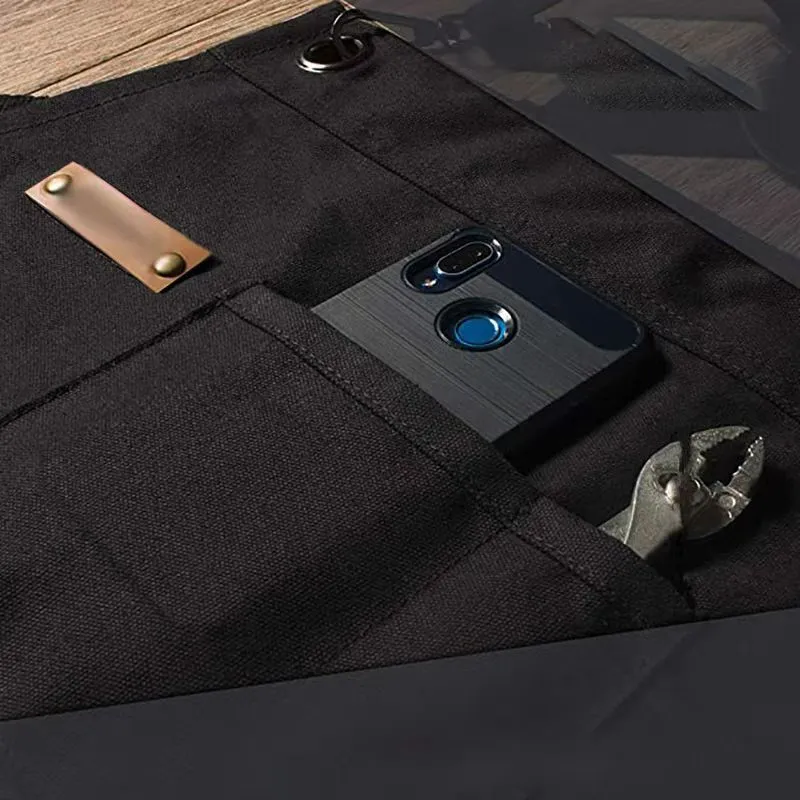
- Functional Enhancements: Integration of practical features such as multiple utility pockets, pen loops, radio clips, reinforced panels, articulated joints, reflective piping for low-light visibility, and concealed zippers or buttons for specific industry needs.
- Individual Personalization: Options for individual employee name embroidery or department identification, fostering a sense of ownership and personal responsibility.
These comprehensive customization capabilities empower businesses to create uniforms that are not just garments, but highly functional tools that represent their brand with precision and distinction.
Real-World Application Case Studies
Examining real-world implementations showcases the profound impact of well-executed Custom Uniforms programs across various industries.
Case Study 1: Global Logistics Provider
A leading logistics firm sought to standardize its driver and warehouse personnel uniforms across 15 countries. The challenge was to create a durable, comfortable, and highly visible uniform suitable for diverse climates and demanding physical work, while maintaining a consistent brand image. The solution involved developing a modular uniform system with core garments (polo shirts, cargo pants) made from a proprietary poly-cotton blend for durability and comfort, complemented by regional outerwear (jackets, vests) featuring integrated reflective elements meeting EN ISO 20471 high-visibility standards. Customization included heat-transferred logos for maximum durability and individual employee ID patches. Results showed a 30% increase in perceived professionalism by clients, a 15% reduction in uniform replacement cycles due to enhanced durability, and improved employee feedback regarding comfort and safety features.
Case Study 2: High-End Boutique Hotel Chain
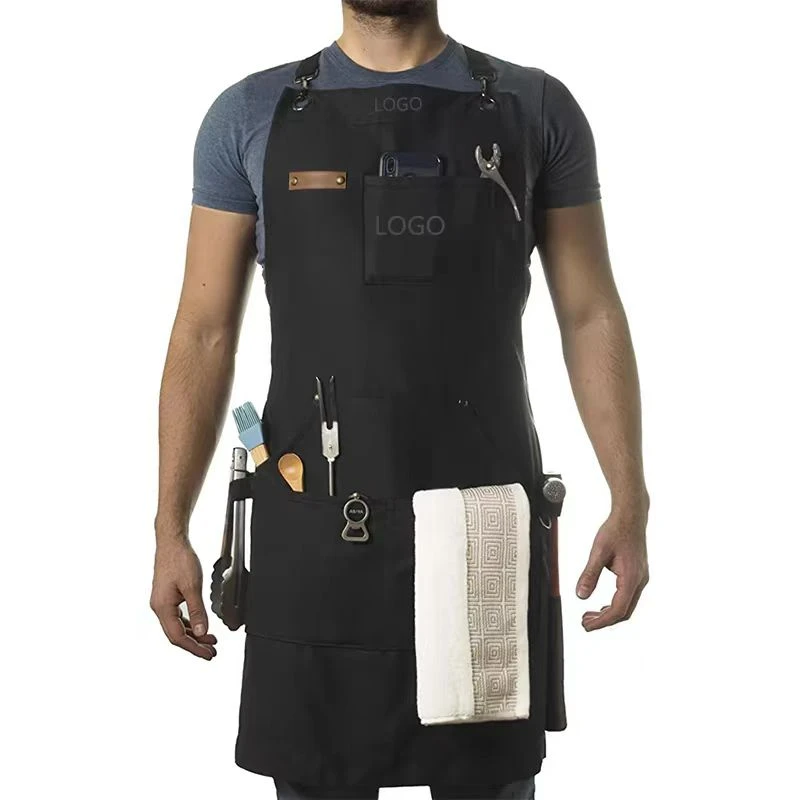
A luxury hotel chain aimed to elevate its guest experience by reflecting its premium brand identity through staff attire. Their existing uniforms were generic and lacked distinction. The custom solution involved a comprehensive redesign for various departments—front desk, concierge, F&B, housekeeping—using premium fabrics like wool blends and silk accents. For instance, front desk staff received bespoke tailored suits in corporate colors with subtle embroidery, while F&B staff wore contemporary chef jackets and aprons made from breathable, stain-resistant fabrics. The impact was immediate: guest satisfaction surveys showed a notable increase in positive comments regarding staff presentation, reinforcing the hotel's luxury positioning. Employees reported higher morale and a greater sense of pride in their appearance, which positively affected service delivery.
Case Study 3: Chemical Manufacturing Plant
Facing stringent safety regulations and concerns over worker protection, a large chemical manufacturer invested in a new uniform program. Their existing uniforms offered minimal protection against chemical splashes and flash fire risks. The customized solution involved developing coveralls and two-piece uniforms from inherently flame-resistant (IFR) fabrics certified to NFPA 2112 and EN ISO 11612 standards. Additionally, the fabric possessed chemical splash resistance (EN 13034) and anti-static properties (EN 1149). Custom design elements included reinforced knee pads, sealed pockets, and specialized closures to prevent chemical ingress. Post-implementation, the company reported a significant reduction in minor workplace injuries related to chemical exposure and improved compliance audit scores, demonstrating the critical role of technical uniform specifications in occupational safety.
Trust and Support: Your Partner in Custom Uniforms
At The Genius Gifts, we are committed to building lasting partnerships based on transparency, reliability, and unparalleled support. Our processes are designed to provide B2B clients with complete peace of mind, from initial inquiry to long-term uniform management.
Frequently Asked Questions (FAQ):
Q: What is the minimum order quantity for custom uniforms?
A: Our minimum order quantity (MOQ) typically starts from 50 units per design, though this can vary based on the complexity of customization and fabric choice. Please contact our sales team for detailed information on your specific requirements.
Q: What types of fabrics do you offer?
A: We offer a comprehensive range of fabrics, including various blends of cotton, polyester, rayon, and specialized materials such as performance wicking fabrics, anti-microbial textiles, flame-resistant (FR) materials, and sustainable options like organic cotton or recycled polyester. Our experts will guide you to the best choice for your industry and application.
Q: Can you match our specific brand colors?
A: Yes, we specialize in precise color matching using Pantone Matching System (PMS) codes to ensure your uniforms perfectly align with your brand guidelines. We can provide fabric swatches for final approval.
Q: What are your lead times for custom uniform orders?
A: Standard lead times for custom uniform production typically range from 6 to 10 weeks from final design approval and deposit. This includes fabric sourcing, production, quality control, and shipping. Rush order options may be available depending on capacity.
Lead Time & Fulfillment Details:
Our lead times are communicated clearly at the quotation stage and are contingent on material availability and order volume. We leverage a robust supply chain and efficient production facilities to meet agreed-upon deadlines. Clients receive regular updates on their order status and have access to our online portal for order tracking and reordering. We offer flexible fulfillment options, including bulk delivery to a central location or individual dropshipping to multiple company sites.
Warranty Commitments:
We stand behind the quality of our Custom Uniforms. All garments are manufactured to stringent quality standards and come with a [e.g., 1-year] warranty against manufacturing defects in materials and workmanship. This warranty covers issues arising from faulty production but does not extend to normal wear and tear, improper care, or damage caused by misuse. Our commitment is to ensure your investment delivers lasting value.
Dedicated Customer Support:
Our dedicated account management team is available Monday to Friday, 9:00 AM to 5:00 PM (EST), to assist with all your queries, from initial design concepts to reorders and after-sales support. You can reach us via phone at [Insert Phone Number Here], email at [Insert Email Here], or through our website's contact form. We pride ourselves on responsive, expert assistance tailored to your business needs.
Authoritative References
- ISO 9001:2015 - Quality management systems — Requirements. International Organization for Standardization.
- AATCC Technical Manual. American Association of Textile Chemists and Colorists.
- ASTM International Standards. ASTM D5034 (Tensile Strength), ASTM D1424 (Tear Resistance), ASTM D6240 (Uniform Sizing).
- NFPA 2112: Standard on Flame-Resistant Garments for Protection of Industrial Personnel Against Flash Fire. National Fire Protection Association.
- ANSI/ISEA 107-2020: American National Standard for High-Visibility Safety Apparel and Accessories. International Safety Equipment Association.
- OEKO-TEX Standard 100. International Association for Research and Testing in the Field of Textile and Leather Ecology.
- Martindale Abrasion Test (ISO 12947-2). International Organization for Standardization.