Customize Your Perfect Companion: The Art of the Custom Teddy Bear
What’s All the Fuss About a Custom Teddy Bear?
People have loved teddy bears for over a century — soft, cuddly, and comforting. But nowadays, the idea of a custom teddy bear has become a vibrant trend, reaching far beyond childhood memories. Globally, customization touches every corner from heartfelt gifts to brand promotions, even to charity campaigns. The power to personalize means these bears become much more than toys. They carry emotions, stories, identities.
In a world where mass-produced products flood the market, the lure of a one-of-a-kind custom teddy bear is huge. It’s like owning a small piece of art made just for you — or your loved one. And understanding why this matters, especially globally, reveals a fascinating blend of culture, commerce, and creativity.
Mini takeaway: Custom teddy bears blend tradition with personalization, creating emotional connections on a global scale.
Why Custom Teddy Bears Matter Globally
Believe it or not, the custom teddy bear industry overlaps with big themes like the international toy market, which, according to the International Trade Centre and Euromonitor, is worth over $90 billion worldwide. Emerging trends signal strong demand for personalized gifts, with custom plush toys leading the charge in e-commerce sectors.
Here’s the twist: as digital marketplaces grow, consumers expect something tailored, unique. For example, the UN’s sustainable development goals emphasize inclusive economic growth and innovation, showing the importance of creative small businesses — like teddy bear makers — to local economies. On a social front, charities use custom teddy bears for campaigns, connecting with donors and children in crisis with cuddly ambassadors that foster dignity and comfort.
Yet, the challenge lies in creating these bears efficiently without losing that handcrafted soul. Balancing quality, scalability, and cost is tricky — especially as consumers demand sustainable and ethically made products.
Mini takeaway: Custom teddy bears serve as economic, social, and creative touchstones worldwide, responding to modern consumer demands and humanitarian needs.
What Exactly Is a Custom Teddy Bear?
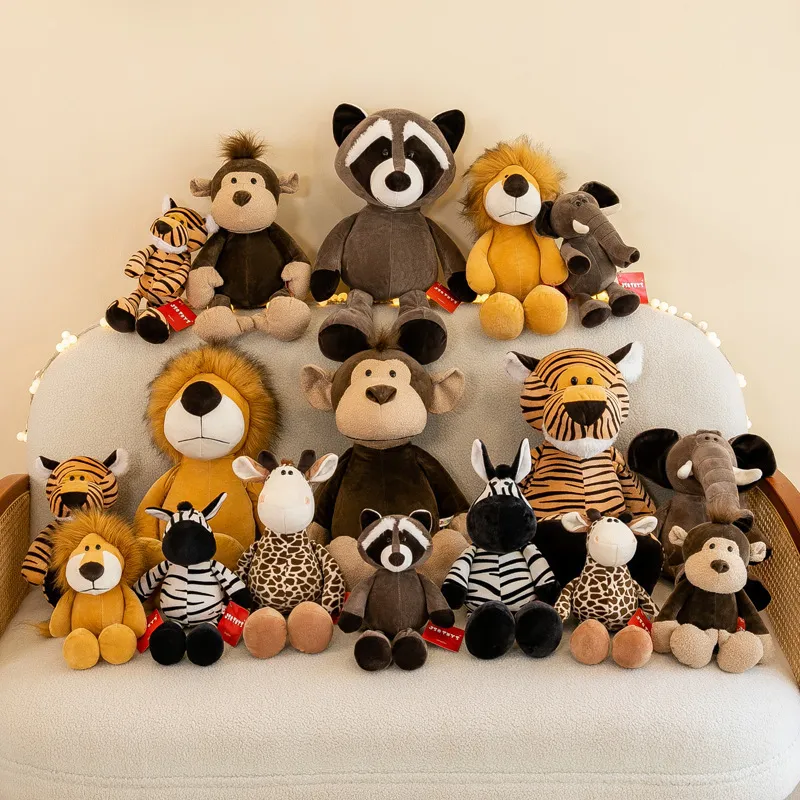
Simply put: a custom teddy bear is a plush bear crafted or altered to order based on specific customer preferences — colors, fabrics, accessories, even voices or scents. Unlike mass-produced bears, these are designed to capture individuality.
They’re not just stuffed toys; they represent personalization in the plush toy industry, touching on everything from emotional gifts (anniversaries, birthdays) to branding tools (corporate mascots). In humanitarian fields, specialized custom bears offer more than comfort — they provide sensory experiences to children with autism or PTSD, tailored to their needs.
Mini takeaway: Custom teddy bears combine artistry, industry, and emotional intelligence, serving both commercial and therapeutic roles.
Key Aspects of Custom Teddy Bear Design and Production
Materials and Fabric Quality
What stuff they’re made from doesn’t just affect softness but also safety and durability. Premium plush fabrics, organic cotton, or hypoallergenic materials are becoming popular — especially where kids or sensitive users are concerned.
Personalization Options
From embroidered names and logos to custom outfits or even scent-infused stuffing, the range is wide. Some companies offer online configurators where you mix and match every element — a game-changer for user engagement.
Durability and Safety Standards
Custom bears must meet strict toy safety standards like EN71 (Europe) or ASTM F963 (USA). This is crucial especially if they’re intended for children. It covers fabric fire resistance, small-part choking hazards, and chemical safety.
Scalability in Manufacturing
Oddly enough, producing custom teddy bears at scale without quality loss is a real technical challenge. It involves efficient supply chains, skilled labor, and sometimes automation in stitching or tagging.
Environmental Sustainability
Many makers are moving toward sustainable production — using recycled materials or low-impact dyes. Consumers appreciate toys that don’t cost the earth.
| Feature | Details |
|---|---|
| Height | 12 inches (30 cm) |
| Materials | Organic cotton plush, polyester fill |
| Customization Options | Embroidery, clothing, accessories, color palette |
| Safety Standards | EN71, CPSIA certified |
| Packaging | Recyclable box with personalized message card |
Mini takeaway: Materials, personalization, safety, production scale, and sustainability shape how custom teddy bears come to life and remain relevant.
Where in the World Are Custom Teddy Bears Making a Difference?
From Asia’s booming e-commerce scenes to Europe’s artisanal craft markets, custom teddy bears have found a global home. For instance, Japan’s kawaii culture embraces hyper-personalized plush toys, fueling sophisticated demand.
Brands and nonprofits collaborate in North America to produce bears that benefit children’s hospitals or disaster survivors — sending unique snuggles where they are needed most. In emerging markets, local artisans sell custom bears online, marking a path for economic empowerment.
Even industrial sectors use branded custom teddy bears for promotional giveaways, connecting emotionally with clients and employees. Oddly enough, teddy bears have quietly infiltrated serious marketing strategies.
| Vendor | Customization Variety | Lead Time | Sustainability Commitment | Price Range |
|---|---|---|---|---|
| The Plush Studio | High (multiple fabrics, accessories) | 2-3 weeks | Uses organic cotton | $35-$70 |
| BearCraft Co. | Medium (colors & embroidery) | 1 week | Limited eco-friendly materials | $25-$50 |
| CuddleMates Ltd. | Basic (standard models) | 3-4 days | No key sustainability focus | $15-$30 |
Mini takeaway: Across continents and industries, custom teddy bears matter — from artisan hands to big brands and charity fronts.
The Lasting Value of a Custom Teddy Bear
You can hack thoughtful gifts with a generic teddy bear. But a custom teddy bear? That’s layered with emotion and significance. People keep these bears not just because they’re cute but because they tell stories. Maybe a child’s name stitched inside, or a company logo that reminds a team of what they built together.
In longer terms, they also promote sustainability. Choosing a well-made, durable teddy bear means less waste than cheap plastic toys. Plus, the social impact runs deep, supporting small makers and charities alike.
Future Trends Shaping the Custom Teddy Bear Industry
- Smart Teddy Bears: Integration of sensors or apps to enhance interaction with kids.
- Eco-friendly Innovation: Plant-based fabrics and biodegradable fillings.
- 3D Printing Elements: Custom parts or badges on demand.
- Global Supply Chain Digitization: Faster, more transparent order and delivery tracking.
It feels like the industry stands on the cusp of blending tradition with technology, creating teddy bears that are both nostalgic and futuristic.
Challenges and How They’re Being Tackled
Custom teddy bear makers face hurdles like production costs, long lead times, and safely scaling personalization. Some solutions come from hybrid manufacturing — mixing automated parts with human craftsmanship. Others rely on digital platforms that connect end-users directly to artisans, cutting middlemen.
Creating sustainable materials is another challenge, but ongoing R&D and consumer demand keep pushing companies to innovate.
FAQ: Frequently Asked Questions About Custom Teddy Bears
- 1. How long does it typically take to receive a custom teddy bear?
- Lead times vary widely, but most custom teddy bear orders take between one to three weeks depending on complexity and vendor. Expedited options may be available.
- 2. Are custom teddy bears safe for infants and children?
- Yes, reputable custom teddy bear manufacturers ensure products meet strict safety standards (EN71, CPSIA) to be safe for all ages, using hypoallergenic fabrics and secure stitching.
- 3. Can I personalize a teddy bear for corporate branding or events?
- Definitely. Many companies offer bulk ordering with embroidery or logo printing, making custom teddy bears popular for promotions, giveaways, and fundraising events.
- 4. Is it possible to choose sustainable materials in custom teddy bear production?
- Yes, an increasing number of vendors specialize in organic cotton and recycled materials as options, catering to eco-conscious buyers.
- 5. Do custom teddy bears come with warranties or guarantees?
- Policies vary, but many manufacturers offer limited warranties against defects in materials and workmanship. It’s good to check before purchasing.
Conclusion: The Teddy Bear That Truly Belongs to You
To wrap it up, the custom teddy bear is more than fluff and stitches. It’s a bridge between human touch, artistic craft, and global commerce. Whether a comfort companion, a promotional mascot, or a symbol of social goodwill, these bears carry weight — literally and figuratively. The joy, personalization, and longevity they offer can’t be overstated.
If you’re looking to explore a custom teddy bear that speaks your language or mission, now’s a better time than ever to dive in.
– Thanks for reading, and may your next bear be exactly the friend you never knew you needed.