How to Make Your Own Plush Animal: A Creative and Sustainable Guide
Exploring How to Make Your Own Plush Animal: A Creative and Practical Guide
There’s something undeniably delightful about plush animals—they're soft, comforting, and sometimes carry a special meaning beyond just a toy. But making your own plush animal? That’s a whole different level of connection. This simple yet meaningful craft isn’t just a fun pastime; it ties into global movements around sustainability, personalized manufacturing, and even mental wellness. In a world constantly craving authentic, handmade touches, knowing how to make your own plush animal offers creative freedom and an opportunity to cherish something uniquely yours.
Why Making Your Own Plush Animal Matters Globally
On the surface, creating plush toys might seem like a small-scale hobby, but when you peek behind the scenes, you’ll find this craft connects to bigger stories. The global toy industry is expected to reach roughly $130 billion by 2027 (Statista), and within that, demand for bespoke and eco-friendly options is rapidly rising. Consumers want products that reflect their values and personalities, not just mass-produced stuff. Learning how to make your own plush animal taps into this trend and also offers a sustainable alternative to fast consumerism—since you can control materials, labor, and waste.
Oddly enough, sectors like therapy, education, and even humanitarian relief have found plush animals useful too—in methods for comforting children during crises or aiding social skills development. So, it’s not just a cute craft; it’s quietly woven into various social fabrics.
What Does It Mean to Make Your Own Plush Animal?
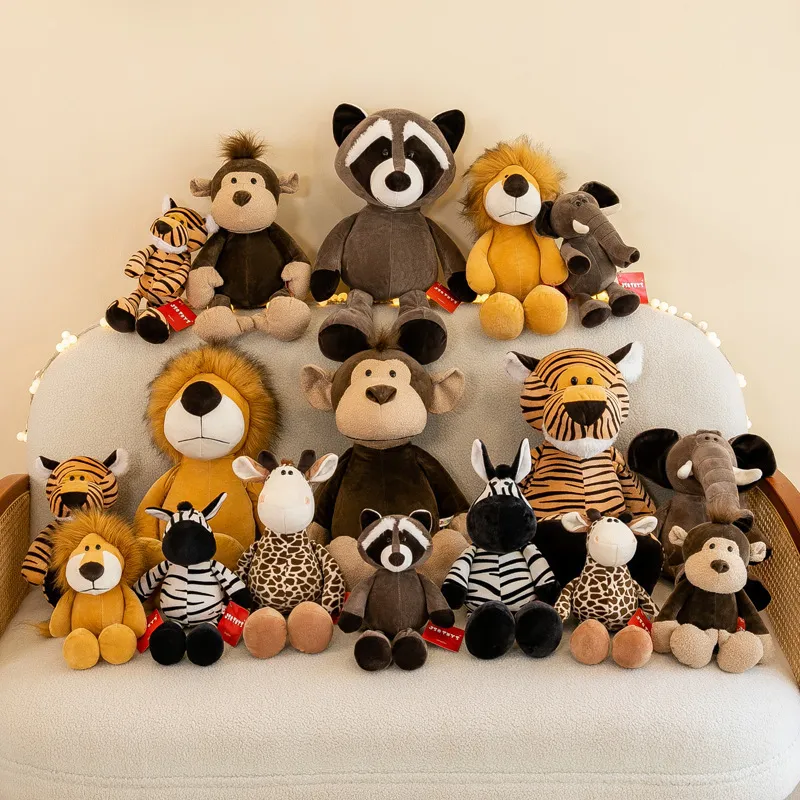
In simple terms, making your own plush animal is the art of crafting a stuffed toy from scratch or kits, using fabrics, stuffing, and sewing techniques. It ranges from beginner-friendly kits to advanced sewing and design skills. This process emphasizes customization—shape, size, colors, expression, and even scent if you want! It’s where creativity meets craftmanship.
From a broader lens, this activity connects with industries pushing forward on demand-driven, small-batch manufacturing—sometimes called "microfactories"—and DIY (do it yourself) culture. Humanitarian outfits sometimes distribute handmade plush animals to children affected by displacement or disaster, helping retain a sense of normalcy and calm.
Key Components to Consider When Making Your Own Plush Animal
1. Fabric and Materials
Choosing the right fabric is crucial—not only for the look and feel but for durability and safety. Cotton, fleece, minky, and velour are popular choices, each with distinct textures. More sustainability-conscious makers opt for organic or recycled fabrics, which reduce environmental footprints.
2. Stuffing Type
Polyfill stuffing is the classic go-to for plush animals, but recent advances include eco-fillings like recycled bottles or natural fibers such as wool and kapok. Each has implications for weight, softness, and allergen potential.
3. Design and Patterns
Designing your plush animal is part creativity, part geometry—patterns are either drawn by hand or purchased. Skill levels matter here, as complex shapes require more precise cutting and sewing but deliver more lifelike or unique results.
4. Stitching and Construction
Strong, even stitching is essential to keep the plush intact through hugs, washes, and years of use. Options range from simple hand sewing to machine stitching, even invisible seams for a cleaner finish.
5. Customization and Safety Features
Adding personal touches like embroidered eyes or detachable accessories makes the plush truly unique and safe for kids. Using non-toxic dyes and avoiding small choking hazards is also key if intended as a child’s companion.
| Feature | Details |
|---|---|
| Material | Soft minky fabric, hypoallergenic polyfill |
| Size | Approximately 12 to 15 inches tall |
| Skill Level | Beginner to intermediate |
| Included Tools | Needle, thread, pattern sheets, fabric, stuffing, safety eyes |
| Customization Options | Color palettes, accessory choices (bows, hats) |
| Estimated Assembly Time | 3-5 hours |
How Making Your Own Plush Animal is Used Around the World
Worldwide, this craft is embraced in different contexts. In North America and Europe, many hobbyists enjoy it as a leisurely pastime or gift-making activity. Artisans also sell handmade plush animals through platforms like Etsy, appealing to those wanting limited-edition, personal treasures.
Meanwhile, humanitarian NGOs in parts of Africa and Asia have integrated making plush animals into trauma therapy programs for children affected by conflict or natural disasters. There, the activity delivers more than a toy; it becomes a medium for healing and expressing emotions.
In educational settings, schools and therapy centers in Australia and the UK use plush animal workshops to foster fine motor skills and empathy development among kids, adding an extra layer of social benefit to the creative process.
Advantages and Long-Term Value of Creating Your Own Plush Animal
- Cost Efficiency: Buying a kit or raw materials and crafting at home often costs less than premium store-bought plush toys.
- Sustainability: You choose eco-friendly fabrics and stuffing to shrink your carbon footprint and avoid plastic waste.
- Emotional Connection: The time and care invested create plush animals often cherished longer than mass-market ones.
- Customization: Tailoring colors, expressions, and sizes means your plush animal is truly one-of-a-kind.
Several parents say handmade plush friends helped their children feel safer and more comforted during difficult times—a tricky to quantify, but deeply valuable, advantage.
Emerging Trends and Innovations in Plush Animal Making
Today’s plush crafters enjoy innovations like 3D knitting machines that can quickly produce custom pieces, shrinking the time needed to make complex shapes. Some companies are experimenting with plant-based fibers like hemp or bamboo to further green the process.
Digital pattern design software has also exploded, enabling makers to visualize and tweak their plush creations on screen before cutting fabric. This blend of technology and craft feels like a new renaissance for DIY creatives.
Common Challenges When Making Plush Animals and How to Tackle Them
Some folks struggle with maintaining stitching strength or find sewing tiny parts frustrating, leading to uneven plush shapes. This can discourage beginners. The trick? Start simple, use quality materials, and watch tutorial videos (there’s plenty online). Investing in the right tools—a reliable sewing machine, sharp scissors, good needles—makes a world of difference.
Another challenge is sourcing sustainable materials affordably. Joining local crafting groups or online forums can help swap tips and bulk-buy discounted fabrics, making green crafting more accessible.
| Vendor | Price Range | Skill Level | Customization | Eco-Friendly Options |
|---|---|---|---|---|
| PlushCraft Co. | $25 - $40 | Beginner | Limited | Yes |
| Crafty Plush Kits | $35 - $60 | Intermediate | Moderate | No |
| EcoStitch Supplies | $40 - $75 | All Levels | High | Yes, Organic Cotton |
FAQ: Common Questions About Making Your Own Plush Animal
Q1: Can beginners really make a plush animal from scratch?
Absolutely! Starter kits come with full instructions, pre-cut fabrics, and easy patterns. Even novices can create charming plush animals with some patience. You’ll improve with each project.
Q2: Are eco-friendly materials much more expensive or harder to find?
Sometimes they are pricier, but many suppliers now offer affordable organic or recycled fabrics. Online markets and local craft fairs are good places to hunt for these materials without breaking the bank.
Q3: How long does it take to make a typical plush animal?
Usually between 3-5 hours depending on complexity and skill level. Simpler designs can be done in under three hours, while elaborate ones take longer.
Q4: Is making my own plush animal safer than buying store-bought ones?
Generally yes, since you can choose non-toxic, hypoallergenic materials and avoid plastic parts. This lowers risks, especially for small children sensitive to allergens or choking hazards.
Q5: Can I sell plush animals I make at home?
Yes, many crafters run micro-businesses selling handmade plush animals online or at local markets. Just check your local health and safety regulations first.
Wrapping It Up: Why Making Your Own Plush Animal is Worth It
In the end, the process of making your own plush animal is more than just a craft—it's a satisfying blend of creativity, sustainability, and sometimes even therapy. Whether you’re looking for a personally meaningful gift, a way to embrace eco-conscious hobbies, or a unique project for kids and adults alike, plush animal creation fills a warm niche in today’s world. And if you’re ready to try, whether a complete beginner or already sewing pro, you’ll find countless resources—and even kits—to get you going on this soft, inviting journey.
If you want to make your own plush animal with ease, try exploring kits or patterns on trusted sites—you might discover a whole new passion!
References: