Quality Control for Custom Plush Toys Wholesale Manufacturing
At The Genius Gifts, we implement a rigorous 10-point quality control system for all custom plush toys wholesale orders. Our process ensures every custom plush toy meets international safety standards while delivering exceptional quality. The same strict protocols apply to our custom bags in bulk production.
Material Selection for Custom Plush Toys Wholesale
• Premium plush fabrics selected for custom plush toy production undergo durability testing
• Hypoallergenic filling materials certified for child safety in all custom plush toys wholesale
• Colorfast dyes maintain vibrancy through repeated washing cycles
• Reinforced stitching materials match quality standards of our custom bags in bulk
• All components exceed international safety requirements
Safety Testing for Custom Plush Toy Products
• Each custom plush toy undergoes small parts testing (EN71 standards)
• Seam strength testing exceeds 15lbs pulling force requirement
• Flame resistance certification for all custom plush toys wholesale fabrics
• Non-toxic material verification through independent labs
• Full compliance documentation provided with every shipment
Production Process for Custom Plush Toys Wholesale
• Digital prototyping ensures perfect custom plush toy design execution
• Computerized cutting maintains consistent sizing across production runs
• Triple-stitched seams at all stress points for durability
• Hand-finished details on every custom plush toys wholesale item
• Quality checkpoints at each manufacturing stage
Final Inspection for Custom Plush Toys Wholesale
• Individual visual inspection of every custom plush toy
• Functional testing of all interactive features
• Weight and dimension verification against specifications
• Packaging integrity checks for custom bags in bulk shipments
• Statistical quality control sampling methods
Custom Bags in Bulk FAQs
Q: What information is needed to start a custom plush toy order?
A: To start a custom plush toy order, you’ll need to provide a comprehensive set of details to ensure the final product matches your vision. First, specify the exact size, whether it’s a small 6-inch keychain plush or a large 24-inch huggable toy. Sharing design concepts is crucial—this can include hand-drawn sketches, reference images of similar toys, or even 3D models if available. Material choices are another key factor: decide on the outer fabric (like minky, cotton, or fleece), stuffing type (polyester fiberfill, memory foam, or eco-friendly alternatives), and any additional materials such as eyes, noses, or accessories. Color specifications should be precise, using Pantone codes if possible to avoid mismatches. Don’t forget to mention logos, text, or specific patterns that need to be incorporated, along with their placement. Finally, note the quantity needed, as this affects production timelines and pricing, and share your target budget to help suppliers recommend suitable options that align with your financial plan.
Q: How do pricing structures work for custom plush toys wholesale?
A: Pricing structures for custom plush toys wholesale are multi-faceted and depend on several interrelated factors. Order quantity is a primary driver—suppliers often offer tiered pricing, where ordering 500 units might cost \(10 each, while 1000 units could drop to \)8 each, as larger orders spread out production setup costs. Design complexity plays a big role too; a basic teddy bear with minimal details will be cheaper than a plush with intricate stitching, multiple fabric types, or movable parts like jointed limbs. Material costs vary significantly: premium fabrics like organic cotton or luxury minky can add \(2–\)5 per unit compared to standard polyester. Special features such as embroidered logos, heat transfers, or custom tags also increase costs, with each additional element adding \(0.50–\)2 per toy. Suppliers may also factor in sample creation fees (typically \(50–\)200) if you need a prototype, though some waive this for large orders. It’s important to get a detailed quote that breaks down each cost component, including production, materials, customization, and shipping, to avoid unexpected expenses.
Q: Can custom bags in bulk be made with eco-friendly materials?
A: Absolutely, custom bags in bulk can be crafted using a wide range of eco-friendly materials, catering to businesses and organizations looking to reduce their environmental footprint. Popular sustainable options include organic cotton, which is grown without harmful pesticides and chemicals, making it biodegradable and gentle on the planet. Recycled polyester, made from post-consumer plastic bottles, is another excellent choice—it retains durability while diverting waste from landfills. Jute, a natural fiber known for its strength, is ideal for sturdy tote bags and has a rustic, earthy aesthetic. Canvas, often made from cotton, is reusable and long-lasting, reducing the need for single-use plastics. Some suppliers even offer innovative materials like hemp, which requires minimal water to grow, or mushroom leather, a biodegradable alternative to synthetic leather. While eco-friendly materials may cost 10–20% more than conventional options like non-recycled polyester or standard cotton, they appeal to environmentally conscious consumers and can enhance your brand’s reputation as a sustainable choice. Many suppliers also offer certifications for these materials, such as GOTS (Global Organic Textile Standard) for organic cotton, to verify their eco-friendly claims.
Q: What is the typical process for approving a custom plush toy sample?
A: The process for approving a custom plush toy sample is a step-by-step journey designed to ensure the final product meets your expectations. It usually starts after you’ve submitted your design details and the supplier has confirmed they can meet your requirements. First, the supplier creates a digital mockup or 2D rendering of the toy, showing color schemes, dimensions, and key features, which you review and approve to proceed. Next, the production team crafts a physical prototype, a one-of-a-kind sample that mirrors the intended design. This sample is then shipped to you, often taking 7–14 days depending on the supplier’s location. Once you receive it, you’ll inspect every detail: check if the size matches your specifications, verify that colors are accurate to the agreed-upon codes, assess the quality of stitching (looking for loose threads or uneven seams), and test the feel of materials (softness, durability of stuffing). If adjustments are needed—like changing a color, refining a facial feature, or strengthening stitching—you’ll communicate these to the supplier, who will create a revised sample. This process repeats until the sample meets your full approval, at which point production of the bulk order can begin, with the approved sample serving as the benchmark for quality.
Q: Are there minimum order requirements for custom bags in bulk?
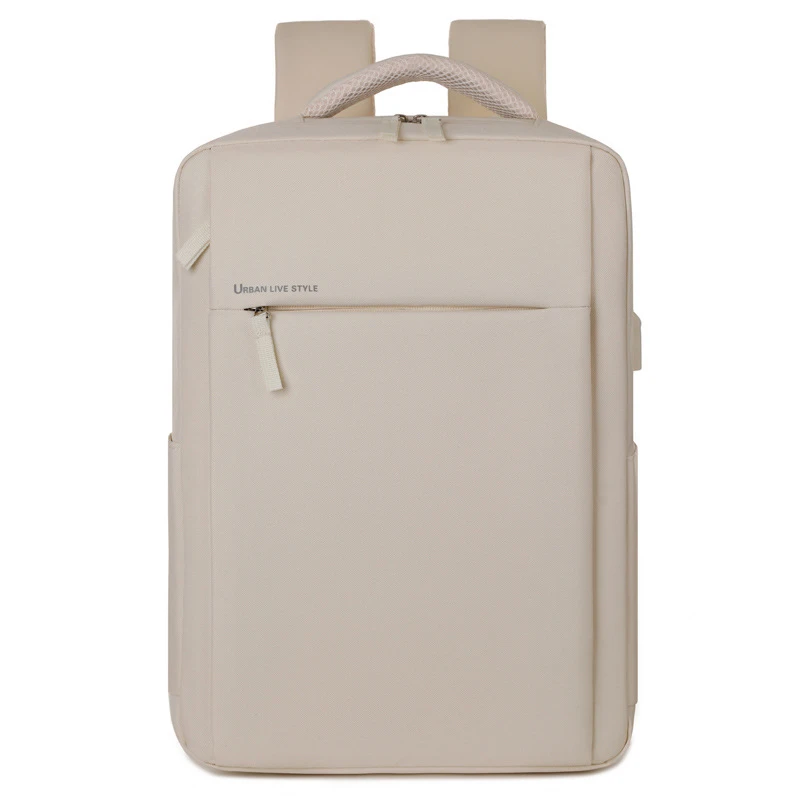
A: Yes, minimum order requirements are standard for custom bags in bulk, and they vary based on several factors. Most suppliers set a baseline of 50–500 units, but this can shift depending on the bag type—simple tote bags might have a lower minimum of 50, while specialized bags like backpacks or insulated cooler bags could require 200+ units. Material choice plays a role too; using rare or imported fabrics may push minimums higher, as suppliers need to justify the cost of sourcing these materials. Customization complexity is another factor: basic screen-printed logos on standard bags might have lower minimums, but intricate designs with multiple colors, embroidery, or custom shapes (like a bag shaped like a brand mascot) often require 300+ units to make the production process cost-effective. Some suppliers offer flexibility for repeat customers, lowering minimums for subsequent orders, or for off-season production when their facilities have more capacity. It’s worth noting that while meeting minimums is necessary, exceeding them can lead to better per-unit pricing—ordering 1000 units instead of 500 might reduce the cost by 15–20%, making larger orders more economical in the long run if your needs allow. Always check with suppliers upfront to understand their specific minimums and how they align with your order size.