When organizing a corporate awards ceremony or a sporting event, one of the most frequent questions budget managers ask is the cost of engraving a trophy. This expense is more than just a line item; it represents the final touch that transforms a generic piece of acrylic or metal into a lifelong memento of achievement. Understanding how these costs are calculated allows organizations to balance prestige with fiscal responsibility.
Across the global gift manufacturing sector, the pricing for customization varies wildly based on the technology used and the material of the award. From traditional diamond-tip engraving to modern high-speed fiber lasers, each method influences the final price point. For companies sourcing custom trophies in bulk, understanding the nuances of setup fees versus per-piece costs is essential for maximizing their procurement budget.
Ultimately, the cost of engraving a trophy is an investment in employee recognition and brand loyalty. By analyzing the variables—such as character count, font complexity, and turnaround time—businesses can make informed decisions that ensure their awards look professional without overspending. This guide provides a deep dive into the financial and technical aspects of trophy customization.
Global Industry Standards for Trophy Customization
The global market for recognition products is governed by strict quality standards, often aligning with ISO certifications for manufacturing precision. In the context of the cost of engraving a trophy, the industry has shifted toward automation, which has significantly lowered the entry price for small-batch orders while increasing the demand for high-end, bespoke artistry for luxury awards.
Modern manufacturing hubs in Asia and Europe have optimized the supply chain, integrating laser software directly with e-commerce platforms. This digital transformation means that the setup time—previously a major cost driver—is now minimized, allowing for more competitive pricing and faster delivery times for global corporate clients.
Defining the Components of Engraving Costs
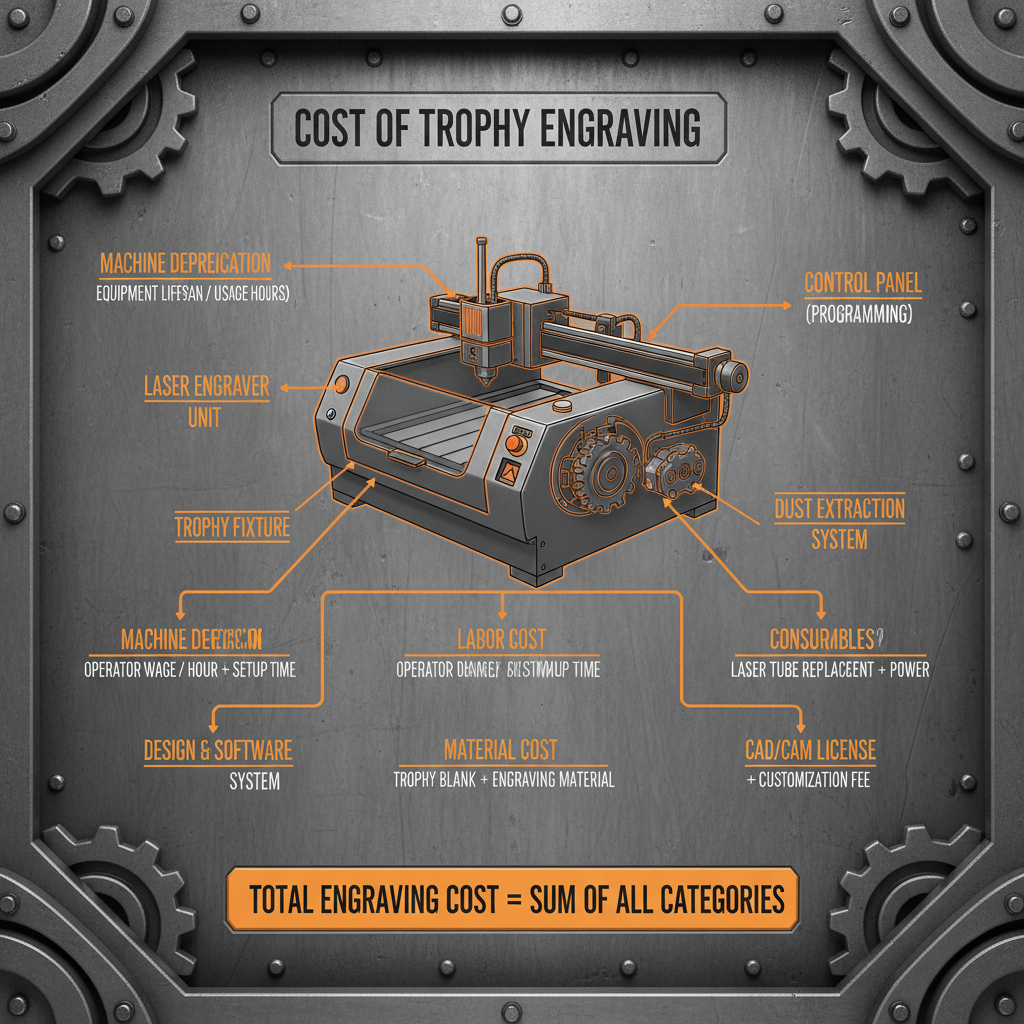
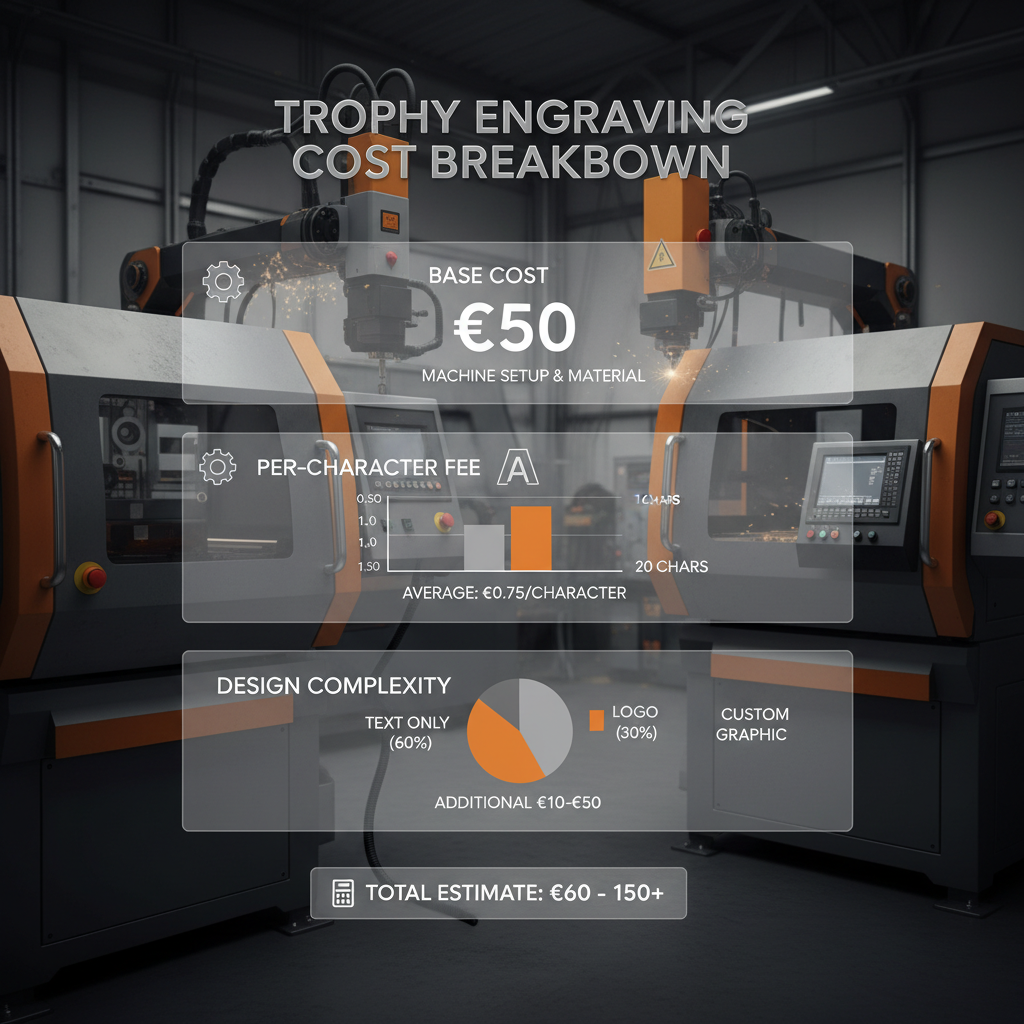
At its core, the cost of engraving a trophy is divided into fixed and variable expenses. The fixed cost typically includes the "setup fee," which covers the graphic designer's time to format the text, select the appropriate font, and calibrate the machinery for the specific material. Whether you are engraving one trophy or one hundred, this initial preparation is a constant.
Variable costs, on the other hand, are dictated by the volume of work. This includes the "per-character" fee or the "per-line" fee, common in traditional shops. Additionally, the material's hardness plays a role; engraving a soft plastic requires less energy and time than etching deep into a stainless steel or crystal surface, directly affecting the hourly machine rate charged to the client.
Lastly, urgency premiums often apply. When a company needs a trophy engraved within 24 to 48 hours for an unexpected ceremony, "rush fees" are added. These fees compensate the manufacturer for disrupting their production schedule, often adding 20% to 50% to the base cost of engraving a trophy.
Technical Factors Influencing Price Points
Material density is the primary technical driver of the cost of engraving a trophy. For instance, acrylics can be etched quickly using CO2 lasers, whereas precious metals require fiber lasers or manual diamond scribing, which demand higher precision and slower execution speeds.
The complexity of the artwork further modifies the cost of engraving a trophy. A simple name and date are processed almost instantaneously, but intricate company logos or detailed portraits require "vectoring," where the machine follows a complex path, increasing the time the trophy spends in the workstation.
Furthermore, post-processing treatments such as "color filling" or "gold leafing" add to the overall cost of engraving a trophy. Once the groove is etched, a technician must manually apply paint or foil and wipe away the excess, adding a labor-intensive step that moves the product from a standard engraving to a premium finish.
Comparative Analysis of Engraving Methods
Different technologies offer varying balances of quality and affordability. Rotary engraving provides a deep, tactile feel often found in traditional plaques, while laser engraving offers unmatched precision for small text. The choice between these methods is usually a trade-off between the desired aesthetic and the total cost of engraving a trophy.
For bulk orders, chemical etching is sometimes employed, though it is less common for trophies than for industrial parts. Most modern providers stick to laser systems because they reduce waste and allow for rapid iterations, keeping the cost of engraving a trophy predictable for the buyer.
Efficiency and Cost Rating of Engraving Technologies
Real-World Applications and Use Cases
In the corporate world, the cost of engraving a trophy is often bundled into larger "employee engagement" budgets. For instance, an annual sales kick-off event might require 50 customized awards. In this scenario, the per-unit cost drops significantly as the setup fee is amortized across all fifty pieces.
Conversely, in youth sports or community events, organizations often opt for simpler acrylic trophies to keep the cost of engraving a trophy low. By using standardized templates and limited character counts, these organizations can provide meaningful recognition to hundreds of participants without exhausting their limited funding.
Long-Term Value and Psychological Impact
While the immediate focus is on the cost of engraving a trophy, the long-term value lies in the psychological impact of the award. A well-engraved trophy serves as a permanent physical manifestation of hard work and success. This "emotional ROI" far outweighs the initial financial expenditure, as it boosts morale and encourages future performance.
From a brand perspective, the quality of the engraving reflects the quality of the organization. A sloppy, off-center engraving can diminish the perceived value of the achievement. Therefore, spending a bit more on a high-precision service ensures that the prestige of the award remains intact for decades.
Furthermore, sustainable engraving practices—such as using eco-friendly lasers that produce no toxic runoff—are becoming a priority. Companies are now willing to accept a slightly higher cost of engraving a trophy if it aligns with their Corporate Social Responsibility (CSR) goals.
Future Innovations in Award Personalization
The industry is moving toward "On-Demand Engraving," where trophies are personalized in real-time during an event. This requires portable, high-efficiency laser machines and integrated software. While the initial equipment cost is high, it eliminates shipping and storage costs, potentially altering the traditional calculation of the cost of engraving a trophy.
Another trend is the integration of digital elements, such as QR codes engraved directly into the trophy. When scanned, these codes can lead to a video of the award ceremony or a digital certificate of authenticity. This hybrid approach adds a layer of modern utility to the traditional trophy, adding value without significantly increasing the physical engraving cost.
Finally, the shift toward biodegradable and recycled materials is changing how we view the cost of engraving a trophy. New organic resins and recycled glass require different laser frequencies, prompting a wave of innovation in machine hardware to maintain the same level of precision on non-traditional surfaces.
Analysis of Engraving Cost Variables Across Materials
| Material Type |
Engraving Difficulty |
Avg. Price Impact |
Durability Score |
| Clear Acrylic |
Low |
Economical |
7/10 |
| Optical Crystal |
Medium |
Moderate |
9/10 |
| Polished Brass |
Medium |
Moderate |
8/10 |
| Stainless Steel |
High |
Premium |
10/10 |
| Natural Wood |
Low |
Economical |
6/10 |
| Silver Plated |
High |
Very High |
9/10 |
FAQS
Price differences usually stem from the technology used (laser vs. diamond tip), the overhead costs of the shop, and the level of graphic design support provided. A full-service agency will charge more for the cost of engraving a trophy because they include proofing, layout design, and quality assurance checks that a budget shop might skip.
Bulk orders are significantly cheaper per unit. This is because the setup fee—the time spent creating the digital file and calibrating the machine—is spread across many items. When you order in volume, the cost of engraving a trophy per piece drops, as the machine can run a continuous batch without needing reconfiguration.
Yes, particularly with traditional engraving methods where you are charged "per character" or "per line." With modern lasers, the cost is more tied to the total "beam-on" time. While a few extra words won't drastically change the price, a full paragraph of text will increase the production time and the total cost of engraving a trophy.
Acrylic and wood are generally the most cost-effective materials. They are softer and react quickly to CO2 lasers, meaning the machine can complete the job in seconds. For those looking to minimize the cost of engraving a trophy while maintaining a professional look, high-quality acrylic is often the best choice.
Yes, providing a "print-ready" vector file (such as .AI, .EPS, or .SVG) can often eliminate the graphic design setup fee. When the vendor doesn't have to spend time recreating your logo or choosing fonts, they can pass those savings on to you, reducing the initial cost of engraving a trophy.
A rush fee is an additional charge applied when a customer requires a turnaround time faster than the vendor's standard window (usually 5-10 business days). This fee covers overtime labor and the reorganization of other clients' orders to prioritize yours, thereby increasing the total cost of engraving a trophy.
Conclusion
Navigating the cost of engraving a trophy requires a balance between understanding material science, production technology, and budget constraints. We have seen that while fixed setup fees and material hardness drive the base price, the real value of a trophy lies in its ability to provide lasting recognition and emotional satisfaction. By choosing the right method—whether it be high-efficiency laser engraving for bulk corporate gifts or precise diamond scribing for luxury awards—organizations can ensure their recognition programs are both impactful and sustainable.
Looking forward, the integration of digital personalization and eco-friendly materials will continue to redefine the economics of the industry. We recommend that businesses plan their award cycles well in advance to avoid rush fees and leverage bulk pricing to optimize their expenditure. For those seeking a partner who blends precision craftsmanship with cost-effective solutions, we invite you to explore our comprehensive range of custom awards. Visit our website: www.thegeniusgifts.com