What Is a Custom Plush Toy Maker? Insights into Craft, Industry & Trends
Understanding the Role of a Custom Plush Toy Maker in Today's Market
When we talk about a custom plush toy maker, it might sound like something solely for children’s playrooms or collectors’ shelves. But, oddly enough, it’s a much more fascinating and globally impactful craft and industry than you might suspect. Plush toys—those soft, cuddly companions—are more than cute objects; they serve as cultural ambassadors, fundraising tools, comfort items during crises, and a booming niche in personalized gift markets.
Globally, the plush toy industry is expected to grow steadily, driven by increasing demand for customization and the emotional connection people forge with these soft companions. Understanding what a custom plush toy maker does and why it matters can reveal insights into supply chains, marketing trends, and even cultural identity.
Introduction: The Growing Global Relevance of Custom Plush Toys
According to the global toy market reports (Statista, 2023), the soft plush segment accounts for a sizable chunk of the $100+ billion annual toy sales worldwide. And more interestingly, consumers today crave personalized experiences, not just off-the-shelf products. This demand means custom plush toy makers are not just artisans but vital players in the supply chain that meets evolving consumer desires.
There’s also a humanitarian angle: plush toys are often used in therapeutic contexts, such as helping children in hospitals or disaster zones cope with trauma. Customization elevates this impact by tailoring toys to cultural or individual significance, offering both comfort and familiarity.
What Is a Custom Plush Toy Maker?
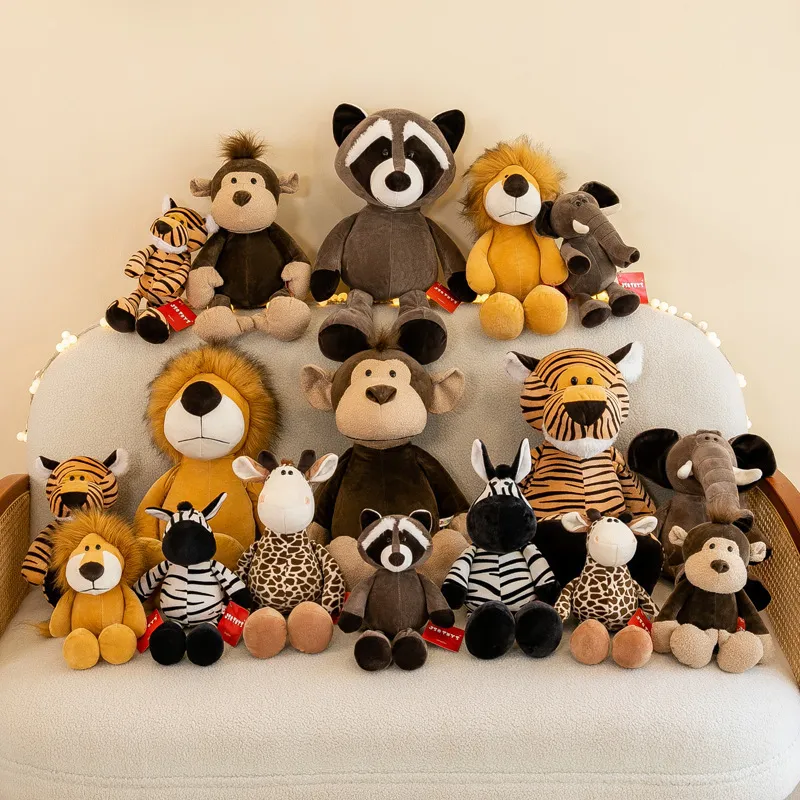
In essence, a custom plush toy maker is a specialized manufacturer or artisan who designs and produces stuffed toys tailored to unique specifications rather than mass production models. This could mean creating toys to match a company mascot, replicating beloved characters with a personal twist, or crafting bespoke gifts for special occasions.
These makers combine design skills, material knowledge, and production logistics to bring unique plush products to life. The craft sits at the intersection of industrial manufacturing and personalized artistry — a blend that’s not always straightforward but always rewarding.
Core Components of a Custom Plush Toy Maker’s Work
1. Material Selection
Softness, durability, and safety are crucial. Most plush toys feature polyester fibers, but innovative makers experiment with organic cotton, bamboo blends, or hypoallergenic fabrics to meet customer preferences and sustainability standards.
2. Design and Customization Tools
From traditional sketches to digital 3D modeling, custom plush toy makers utilize several design methods to ensure the final product matches the customer’s vision. Precision in detailing—like embroidery or unique color palettes—is a must-have skill.
3. Production Scale and Turnaround
While many custom toy makers cater to small runs (think 50–1,000 units), advances in manufacturing tech allow scalability without losing craftsmanship. Turnaround times can range from a few weeks to months, depending on complexity.
4. Quality Control and Safety Standards
Compliance with global safety standards (ISO 8124, ASTM F963) is non-negotiable. Testing for choking hazards, flammability, and toxic materials ensures toys are safe, especially for children.
Product Specification Example
| Feature | Specification |
|---|---|
| Material | Plush polyester / Organic cotton option |
| Size Range | 5 inches to 20 inches |
| Customization Options | Color, embroidery, accessories |
| Production Lead Time | 3 to 8 weeks |
| Safety Certifications | ISO 8124, ASTM F963 certified |
Comparing Leading Custom Plush Toy Makers
| Vendor | Customization Level | MOQ (Minimum Order Quantity) | Lead Time | Price Range (per unit) |
|---|---|---|---|---|
| CuddleCrafts | Full design customization | 100 units | 5–7 weeks | $12–$20 |
| Plushify | Color & accessory tweaks | 50 units | 3–5 weeks | $10–$15 |
| SnuggleNest | Embroidery & fabric changes | 200 units | 6–8 weeks | $15–$25 |
Global Applications and Use Cases
Custom plush toys find relevance beyond gifts or collectibles. For instance, hospitals in the U.S. and Europe frequently order customized stuffed animals tailored for pediatric wards as emotional support tools. NGOs in disaster relief often distribute plush toys with meaningful symbols for children displaced by conflict or natural catastrophes.
In Japan and South Korea, custom plush mascots form part of branding strategies in tourism campaigns—soft ambassadors of place identity. Retail brands leverage plush toys for promotional giveaways, tying products to lovable memories and enhancing customer loyalty.
Advantages and Long-Term Value
- Emotional connection: Personalization deepens customer attachment.
- Brand differentiation: Unique designs help stand out in crowded markets.
- Sustainability efforts: Eco-friendly fabrics are becoming a norm, demonstrating responsibility.
- Social impact: Being able to comfort and support vulnerable populations with meaningful items.
Future Trends and Innovations
Technology like 3D printing and on-demand fabric printing are transforming how plush toys are made, making small-batch productions more accessible and faster. Sustainability continues to push makers towards biodegradable stuffing, recycled fibers, and zero-waste packaging. Oddly enough, the plush industry also leaks into the digital realm—NFTs and virtual plush collectibles hint at hybrid future models.
Challenges and Solutions
One ongoing hurdle is balancing cost with high-quality customization. Many small businesses find minimum order quantities restrictive. That’s where custom plush toy maker platforms come in, offering flexible MOQ and hybrid production models to suit different budgets. Also, strict safety certifications can be complex, but working closely with certified labs ensures smooth compliance.
FAQ: Your Questions About Custom Plush Toy Makers
- Q: How long does it typically take to receive a custom plush toy order?
- A: Usually between 3 to 8 weeks depending on order size and complexity. More intricate designs or smaller batches may take longer due to setup and quality control processes.
- Q: Can custom plush toys be made from organic or eco-friendly materials?
- A: Absolutely. Many makers now offer organic cotton, recycled polyester, or bamboo fabrics to meet eco-conscious customer demand without sacrificing softness or safety.
- Q: What minimum order quantities do custom plush toy makers require?
- A: MOQ varies widely, commonly from 50 to 200 units. Some platforms specialize in smaller runs for startups and one-off gifts, so it’s worthwhile to research options.
- Q: How can I ensure my custom plush toy meets safety standards?
- A: Work with a manufacturer who provides certifications like ISO 8124 or ASTM F963 compliance and requires third-party lab testing. This is critical especially if the toys are for children under 3 years.
Conclusion
Ultimately, a custom plush toy maker today is part artist, part engineer, and part global storyteller. Their work touches entire industries—from retail to humanitarian aid—offering something that’s simultaneously uniquely personal and widely cherished. If you’re curious to explore the world of plush customization or to commission your own design, consider visiting custom plush toy maker platforms to start your journey.
Mini takeaway: custom plush toys blend personalization and cultural resonance with global supply needs, making their makers key to a diverse, evolving market.