How to Make a Custom Plush – A Detailed Guide for Hobbyists and Businesses
How to Make a Custom Plush: A Comprehensive Guide for Creative Makers
Custom plush toys — those soft, cuddly companions personalized to your liking — aren’t just kid’s playthings anymore. They have grown into a thriving global industry, blending artistry, technical skill, and manufacturing innovation. Understanding how to make a custom plush isn’t just a fun DIY project; it unlocks doors to niche markets, branding opportunities, and even humanitarian efforts where comfort matters. Frankly, whether you're a hobbyist or a business, knowing the essentials can save you time, money, and headache. Let's unpack what this seemingly simple craft entails and why it’s important worldwide.
Introduction: Global Context and Industry Impact
Oddly enough, the global toy market, particularly in plush toys, is booming with projections from sources like the Statista Toy Industry Report estimating growth at a CAGR of 4% annually through the late 2020s. Custom plush toys hold a special niche here—they cater to personalization trends, corporate branding, and emotional gifting. With e-commerce platforms connecting small makers to global consumers, customizing plush has transcended geography. However, the real challenge is balancing mass production with quality and uniqueness — something every maker and manufacturer wrestles with.
What Does “How to Make a Custom Plush” Actually Mean?
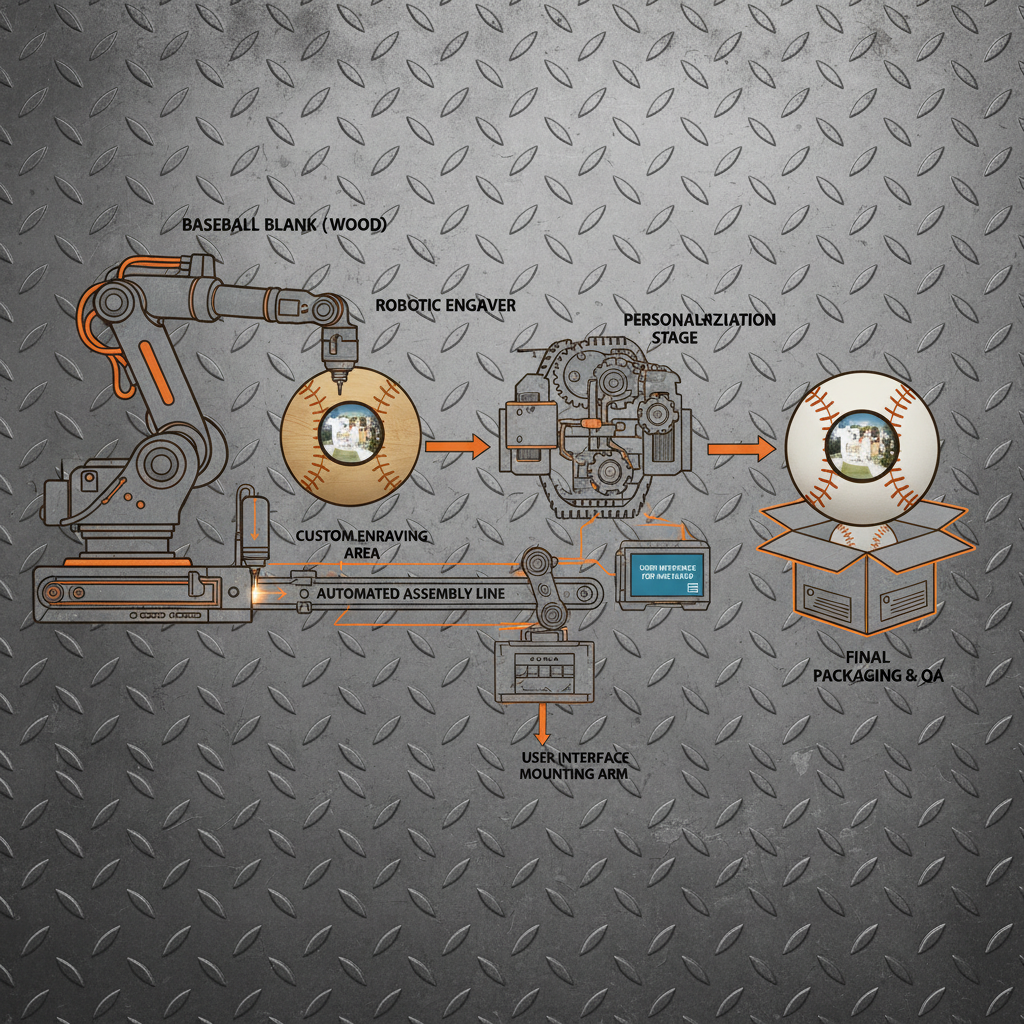
In simple terms, how to make a custom plush involves designing, crafting, and fabricating a stuffed toy tailored to specific aesthetics or functional needs. This ranges from handmade plushes sewn with needle and thread to factory-produced items ordered in small batches with unique designs. The process connects modern fashion textiles, advanced embroidery techniques, and sometimes even eco-friendly materials to make a product that’s as personal as it is lovable.
Key Factors in Producing High-Quality Custom Plushes
1. Design Precision and Customization
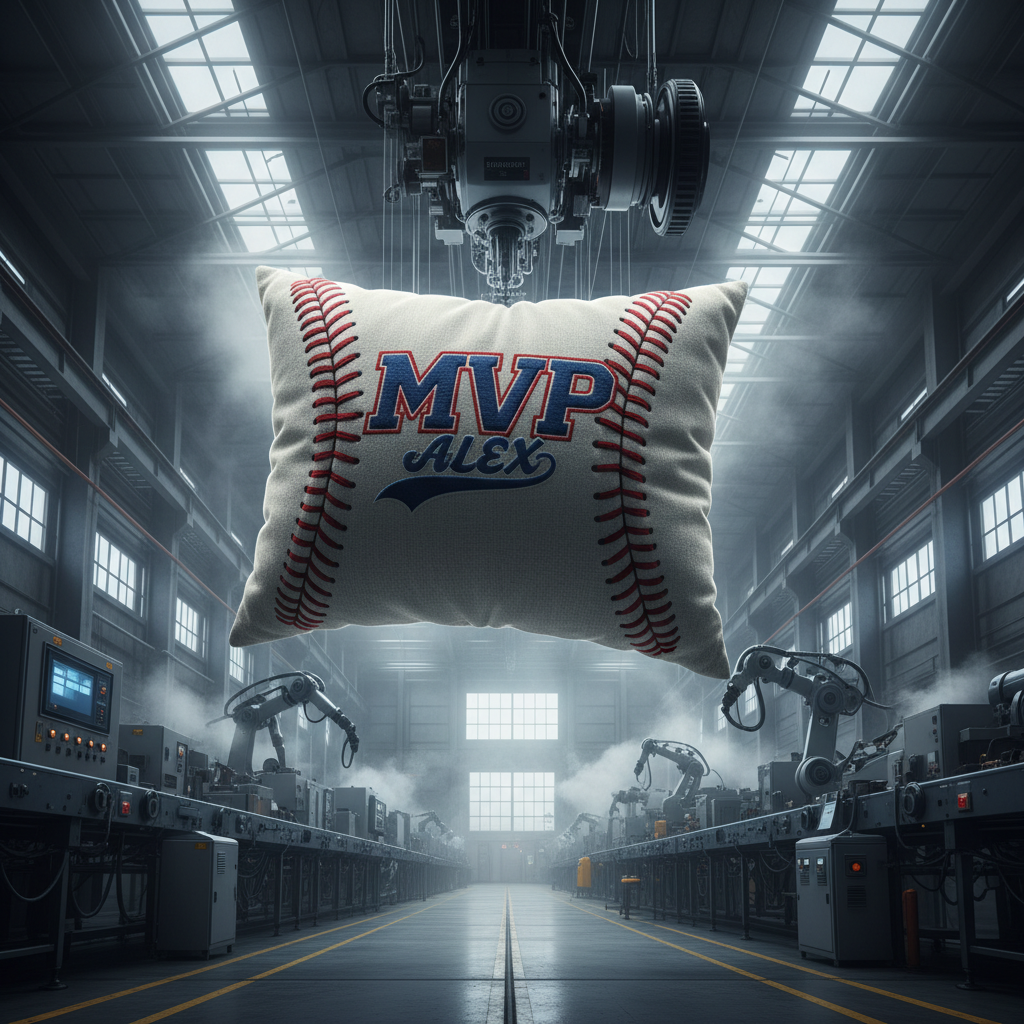
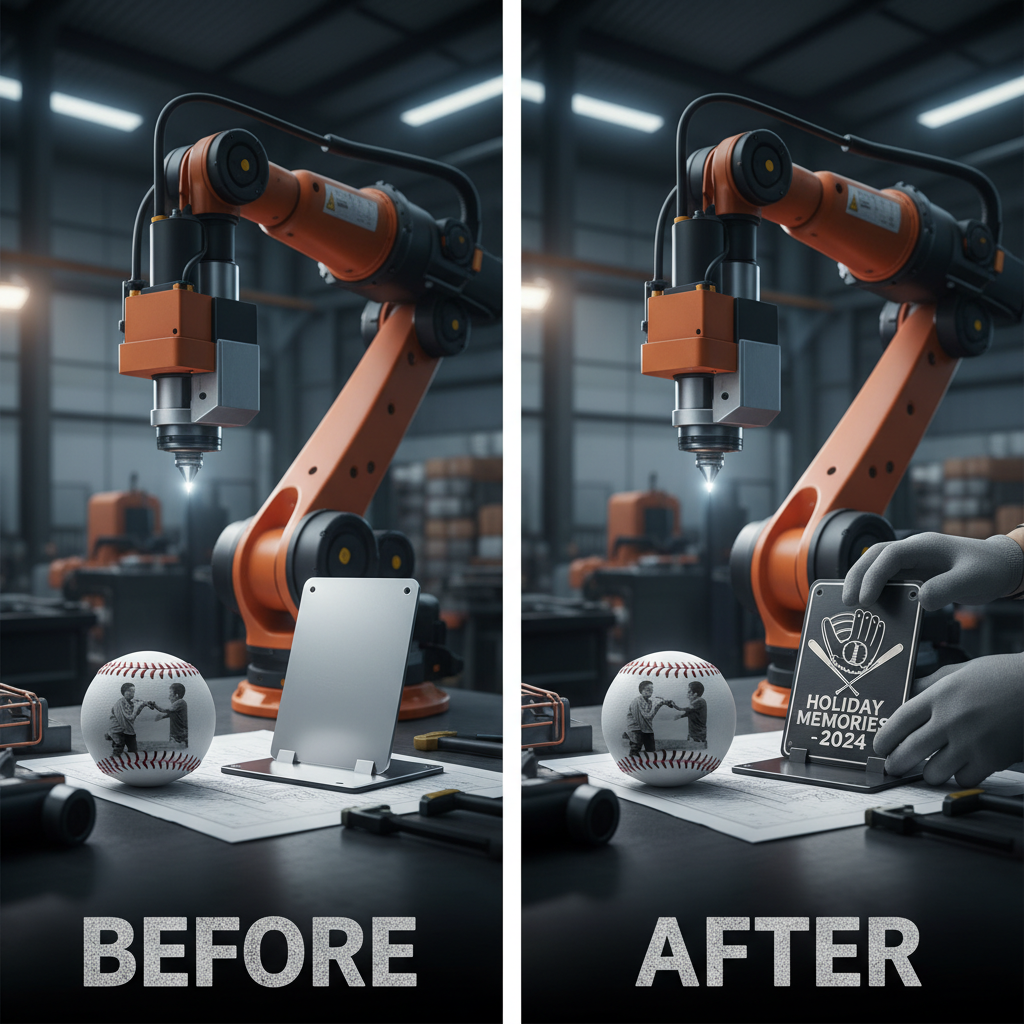
Your plush begins on paper or a digital canvas, where shape, colors, textures, and features get hammered out. Modern makers often use CAD (computer-aided design) software for pattern making, which allows precise adjustments. This ensures each plush fits the intended vision — whether it's a whimsical unicorn or a branded mascot.
2. Material Selection
Choosing plush fabric (like minky, velvet, or faux fur) and filling (polyester fiberfill or eco-friendly foams) affects softness, durability, and safety. Especially for children’s toys, meeting safety standards (ASTM F963 in the US or ISO 8124 internationally) matters. Oddly enough, some makers now favor organic cotton or recycled materials due to rising sustainable consumer demand.
3. Craftsmanship & Production Techniques
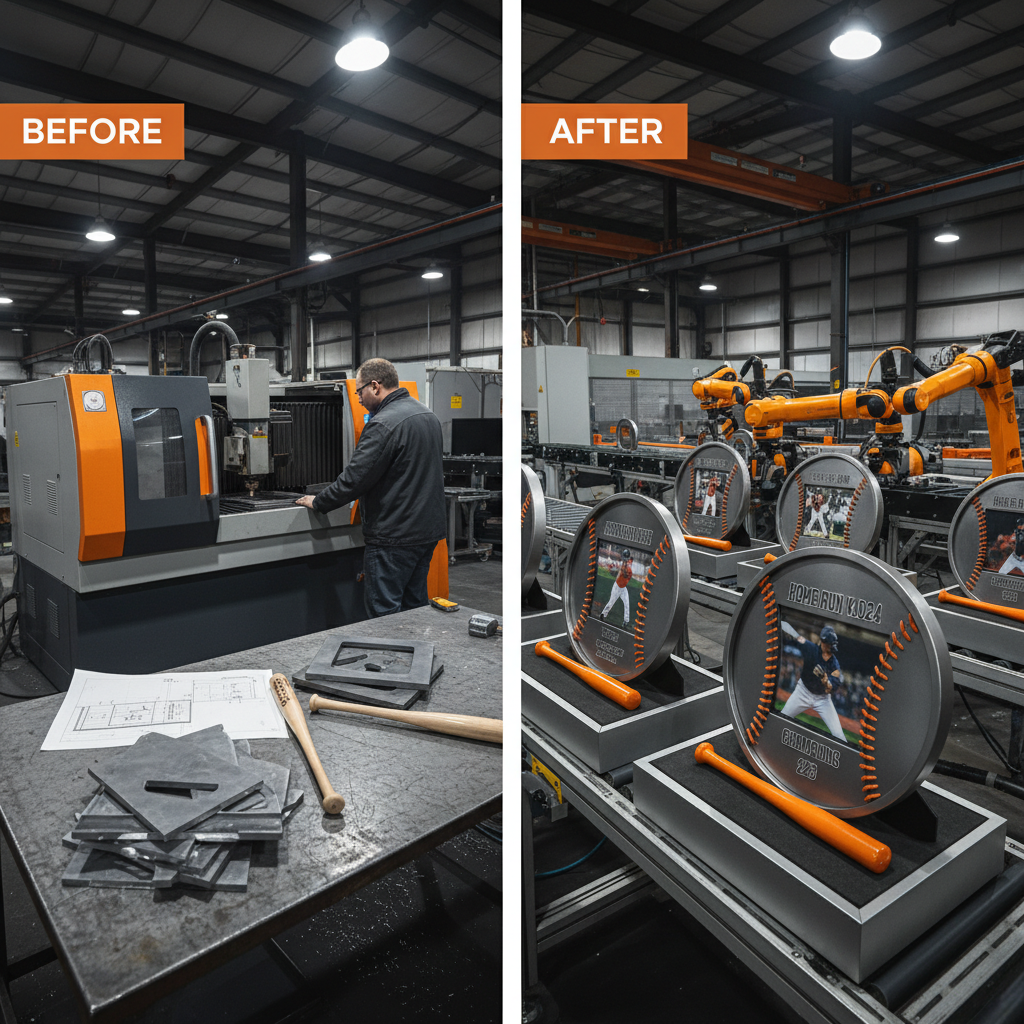
Whether handmade or machine-made, stitching quality makes or breaks the plush. Skilled artisans know how to sew tight seams, add details with embroidery or applique, and balance stuffing density so the toy’s neither floppy nor too firm. On the industrial side, automated cutting and sewing improve consistency but require upfront investment.
4. Scalability and Cost Efficiency
For commercial projects, makers must weigh batch sizes, tooling costs, and turnaround times. Small batch production lets you test new designs with less risk but costs more per unit. Large scale means upfront tool costs but lower per-plush expenses.
5. Compliance and Safety Regulations
Always a must-mention: regulations vary by country, but safety testing (flammability, choking hazards) is critical. This can impact what materials or design features you can use.
Custom Plush Product Specification Table
| Feature | Details |
|---|---|
| Material | Plush Fabric (Minky/Faux Fur); Polyester or Organic Cotton Filling |
| Size Range | 8" to 20" (custom dimensions available) |
| Customization | Embroidery, Applique, Color Matching, 3D Features |
| Safety Standards | ASTM F963, EN71, ISO 8124 Compliant |
| Minimum Order Quantity | 50 units (varies by vendor) |
Real-World Applications of Custom Plush Products
You might wonder where these bespoke plushies fit in the grand scheme. Oddly enough, they’re everywhere—from retail toys to corporate giveaways, branded mascots, and charity projects. Some humanitarian groups provide custom plush as comfort items for children affected by crises, recognizing the emotional value a soft toy can bring. In fact, organizations facilitating psychological first aid often incorporate plush toys in their relief kits.
Geographically, Asia and North America dominate production and consumption, but emerging markets in Europe and Latin America increasingly seek personalized plush products. Industries range from entertainment and sports franchises to educational organizations commissioning custom characters.
Vendor Comparison Table for Custom Plush Manufacturing
| Vendor | MOQ | Lead Time | Customization Options | Price Range (per unit) |
|---|---|---|---|---|
| PlushMakers Co. | 100 | 4-6 weeks | Full color embroidery, 3D features | $8 - $15 |
| SoftToy Factory | 50 | 3-5 weeks | Applique, color matching, tag options | $10 - $20 |
| GreenPlush Ltd. | 200 | 5-7 weeks | Eco-material only, limited color palette | $12 - $18 |
Advantages and Long-Term Value of Learning How to Make a Custom Plush
The benefits? They range broadly. For entrepreneurs, custom plush crafting opens doors to unique product lines with emotional appeal and brand storytelling. For nonprofits, it provides a means of delivering comfort and dignity in crises (something humanitarian groups increasingly endorse). Sustainability-conscious consumers increasingly demand eco-friendly materials, and mastering custom plush making with green options contributes positively here. The tactile warmth and simple joy of a custom soft toy can foster trust and connection in surprising ways.
Emerging Trends in Custom Plush Manufacturing
Innovation isn’t standing still. Digital design platforms paired with rapid prototyping technologies (like 3D printing for accessory parts) are accelerating turnaround times. Automation in cutting reduces material waste, aligning with sustainability pledges. Even the incorporation of tech, such as sound modules or sensors, is becoming more common, adding interactive dimensions to plush designs.
Challenges and How to Overcome Them
Challenges? You bet. Small makers often struggle with minimum order quantities and upfront tooling fees. Quality control across batches, especially with foreign vendors, poses hurdles. However, partnering with manufacturers that understand your vision helps; ordering samples and establishing clear specs upfront can prevent costly mistakes. Frankly, patience and clear communication go a long way.
FAQ: Frequently Asked Questions About How to Make a Custom Plush
-
Q: What is the typical turnaround time for a custom plush order?
A: It usually ranges from 3 to 7 weeks, depending on complexity, quantity, and vendor. Smaller batches may be quicker, but expect approximately a month for production and quality checks. -
Q: Can I use eco-friendly materials when making custom plush?
A: Absolutely! Many vendors now specialize in organic cotton fabrics and recycled fillings. Keep in mind some eco materials have limited color options or slightly higher costs. -
Q: How much customization can I include?
A: Options include embroidery, applique patches, color matching, sizing, and even adding sound or light modules. The scope depends on your manufacturer’s capabilities. -
Q: Is it cost-effective to produce small batches?
A: Small batches have higher per-unit costs due to tooling fees and setup but allow you to test market response without large upfront investments. -
Q: What safety certifications should my custom plush meet?
A: Safety standards like ASTM F963 (US), EN71 (Europe), and ISO 8124 are essential, especially if your product targets children. They cover choking hazards, flammability, and material toxicity.
Conclusion: Why Mastering How to Make a Custom Plush Matters
Wrapping up, knowing how to make a custom plush blends creativity with technical and compliance know-how. It opens doors — for makers, businesses, and humanitarian groups alike — to craft meaningful, safe, and market-ready products. If this guide sparked your interest, explore more resources or start your project today. Curious about diving deeper or starting an order? Visit our website at https://www.thegeniusgifts.com and discover the possibilities.
It’s sort of amazing how a simple plush can carry so much—comfort, connection, and commerce all stitched together.