How to Make Your Own Plush Merch: Creative Guide & Industry Insights
How to Make Your Own Plush Merch: A Step-by-Step Guide and Industry Insights
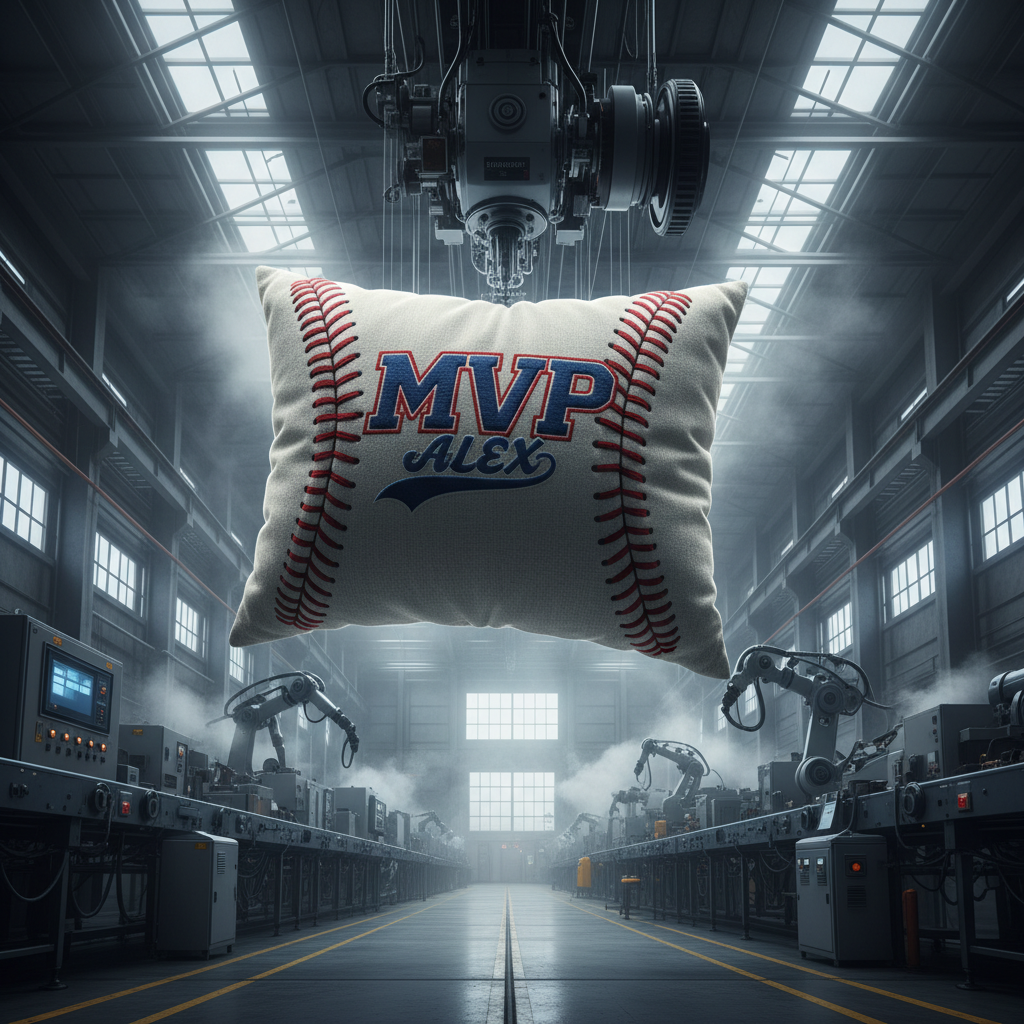
If you’ve ever wondered how to make your own plush merch, you’re tapping into an exciting, creative, and surprisingly accessible craft that’s quickly gaining traction worldwide. Plush merchandise isn't just about cute cuddly toys anymore; it’s a dynamic industry that spans from independent creators to large-scale manufacturers and even humanitarian organizations. Understanding how to design and produce your own plush merch can open doors—not just creatively, but commercially and even socially.
Why This Matters Globally
Globally, the toy and promotional merchandise markets are booming. According to a 2023 report by the World Bank, the global soft toys market was valued at over $10 billion, with an annual growth rate of around 5.4%. Plus, with the rise of indie brands, there’s a demand for personalized, unique plushies that go beyond mass-produced lines. The challenge for creators and businesses alike lies in how to produce plush merchandise affordably without compromising quality or ethical standards.
In fact, many small businesses and nonprofits see plush merch as a meaningful way to engage communities or raise funds. So knowing how to make your own plush merch isn’t just a skill—it’s a bridge to wider opportunities.
What Does “Making Your Own Plush Merch” Mean?
At its core, making your own plush merch means designing, sourcing, and assembling soft toys tailored to your brand, event, or creative vision. Unlike buying ready-made products, this approach lets you customize fabrics, shapes, sizes, and embroidery details to create something truly unique. The process can vary from hand-sewn prototypes to full-blown manufacturing runs.
More than just a business opportunity, plush merch often has emotional or cultural significance—think mascots for sports teams, characters for children’s charities, or collectibles from pop culture. It’s where design, storytelling, and manufacturing intersect.
Key Factors in Successfully Making Plush Merch
1. Material Selection
The feel of a plush toy depends heavily on its fabric and stuffing. You’ll often hear about polyester fleece, velboa, and minky fabrics because they’re soft, durable, and hold color well. Eco-friendly options like organic cotton or recycled polyester are also catching on, which is a plus if sustainability matters to your audience.
2. Durability and Safety
Especially if your plush merch targets children, safety standards matter. Materials must be non-toxic, seams strong, and small parts like eyes or buttons secured—or replaced with embroidered details to avoid hazards.
3. Scalability of Production
Making one plush for a gift is quite different from ordering hundreds. Whether you choose local hand-crafters or offshore factories, understanding minimum order quantities, lead times, and quality control is key to success.
4. Cost Efficiency
Finding the right balance between quality and cost can feel like juggling flaming torches. Pricing hinges on fabric choice, production complexity, quantity, and shipping. If you want your plush merch to be affordable for fans but still profitable, this is critical to plan.
5. Customization and Branding
Brand identity shines through little details: embroidery, tags, packaging, even shape. Many sellers incorporate QR codes linking to websites or stories, turning plush merch into interactive experiences.
Product Specification Table
| Specification | Details |
|---|---|
| Materials | Velboa or Minky fabric, polyester fiberfill stuffing |
| Recommended Size | 6 to 12 inches height |
| Production Time | 4-6 weeks for bulk orders; 1-2 weeks for prototypes |
| Safety Standards | CPSC (US), EN71 (EU) compliant |
| Customization | Embroidery, sewn labels, custom packaging |
How and Where Plush Merch Is Used Globally
From North America to Asia, plush merchandising pops up everywhere. In Japan, the collectibles market thrives on limited-edition plush toys tied to popular anime or mascots. In Europe, soft toys often support charity causes or festivals. In the US, sports teams leverage plush as part of fan merchandise, sometimes selling tens of thousands per season.
Interestingly, NGOs have used plush merch to raise funds or comfort children in crisis zones—“comfort toys” aren’t only cuddly items but psychological aids, too. For example, post-disaster operations in Southeast Asia sometimes distribute plush items alongside essentials as emotional support tools.
Vendor Comparison Table
| Vendor | MOQ | Customization Options | Lead Time | Eco-Friendly Materials |
|---|---|---|---|---|
| SoftCo Plush | 100 pcs | Embroidery, custom shapes | 6 weeks | Yes |
| CuteMakers | 50 pcs | Sewn labels, printed tags | 4 weeks | Limited |
| EcoPlush Ltd. | 200 pcs | 100% organic materials, recycled stuffing | 8 weeks | Yes, fully certified |
Advantages and Long-Term Value
Making your own plush merchandise is rewarding on many levels. Tangibly, it allows you to control quality and ensure your product ethically aligns with your values—no sketchy materials or unfair labor. Plus, it’s a reliable revenue stream: plush toys are beloved by kids and collectors alike.
Emotionally, your plush merch can carry stories and connections. I once worked with a small artist who crafted plush versions of her comic characters and watched as fans proudly shared photos, deeply attached to the tangible links to her work. It's a unique form of engagement and trust-building.
Future Trends & Innovations
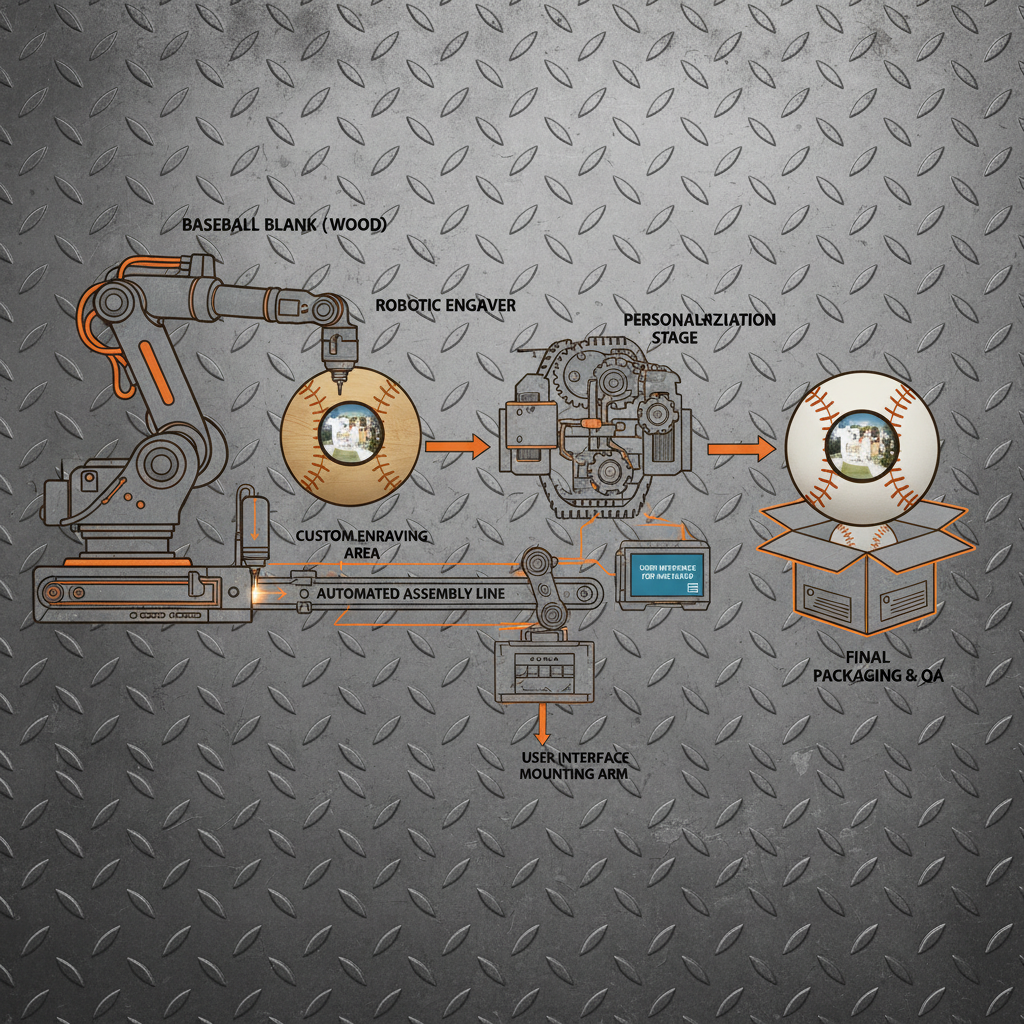
The plush merch industry isn’t static. Automation is speeding up production, while eco-conscious consumers push suppliers to innovate with biodegradable fabrics or recycled fibers. Digital advances like 3D knitting allow hyper-customized shapes without cutting fabric waste.
Oddly enough, smart plush toys with embedded sensors or NFC tags are also trending—these “connected plushies” unlock interactive experiences or educational content.
Challenges and Expert Solutions
Of course, hurdles remain: small-scale creators often face pricey minimum orders or unpredictable supplier quality. Finding eco-certified materials can be a needle in a haystack. Packaging also matters: excessive waste hurts a product's green appeal.
Experts recommend:
- Partnering with reputable vendors who provide samples before bulk orders.
- Investing in small-batch prototyping to iron out design issues.
- Exploring local or regional fabric suppliers to cut costs and pollution.
FAQs: Common Questions About How to Make Your Own Plush Merch
Q1: How difficult is it to create a plush toy prototype?
A1: Not as hard as it sounds! With basic sewing skills and design software (or a sketch), you can create a simple prototype at home. Many manufacturers also offer rapid prototyping services. It’s a great way to test ideas before investing in bulk orders.
Q2: What’s the typical minimum order quantity (MOQ) for plush merch?
A2: MOQs vary widely but expect 50 to 200 pieces for custom plush toys. Some vendors are more flexible if you pay more per unit or find batch partners.
Q3: Are eco-friendly materials more expensive?
A3: Usually yes, but prices are dropping as demand rises. Plus, eco-friendliness can justify a higher price point to conscientious customers.
Q4: Can plush merch be shipped internationally without damage?
A4: Definitely, if packed carefully with cushioning materials and sturdy boxes. Choosing vendors familiar with international shipping helps avoid surprises.
To Sum Up…
Learning how to make your own plush merch is more than a fun craft—it’s a viable path to build brand affinity, generate revenue, and even contribute positively to people’s lives through tangible tokens of connection. Whether you’re a creative entrepreneur, marketer, or social cause advocate, plush merch blends art, commerce, and a bit of magic.
Ready to start? Visit our website: The Genius Gifts for expert guides, vendor contacts, and tips to bring your plush merch dreams to life.
It really does feel like holding a little piece of your imagination in your hands.